


INTERVALS
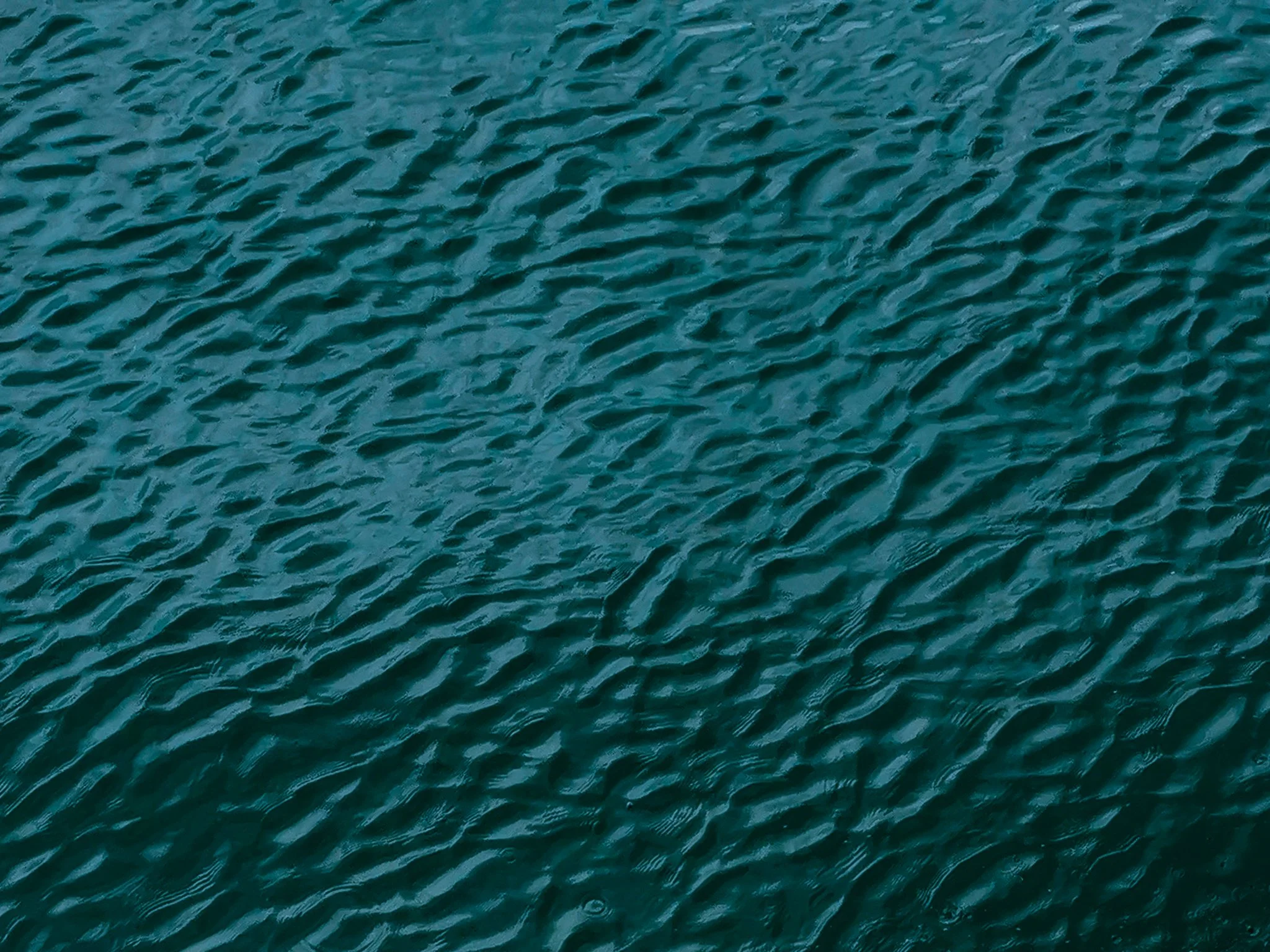
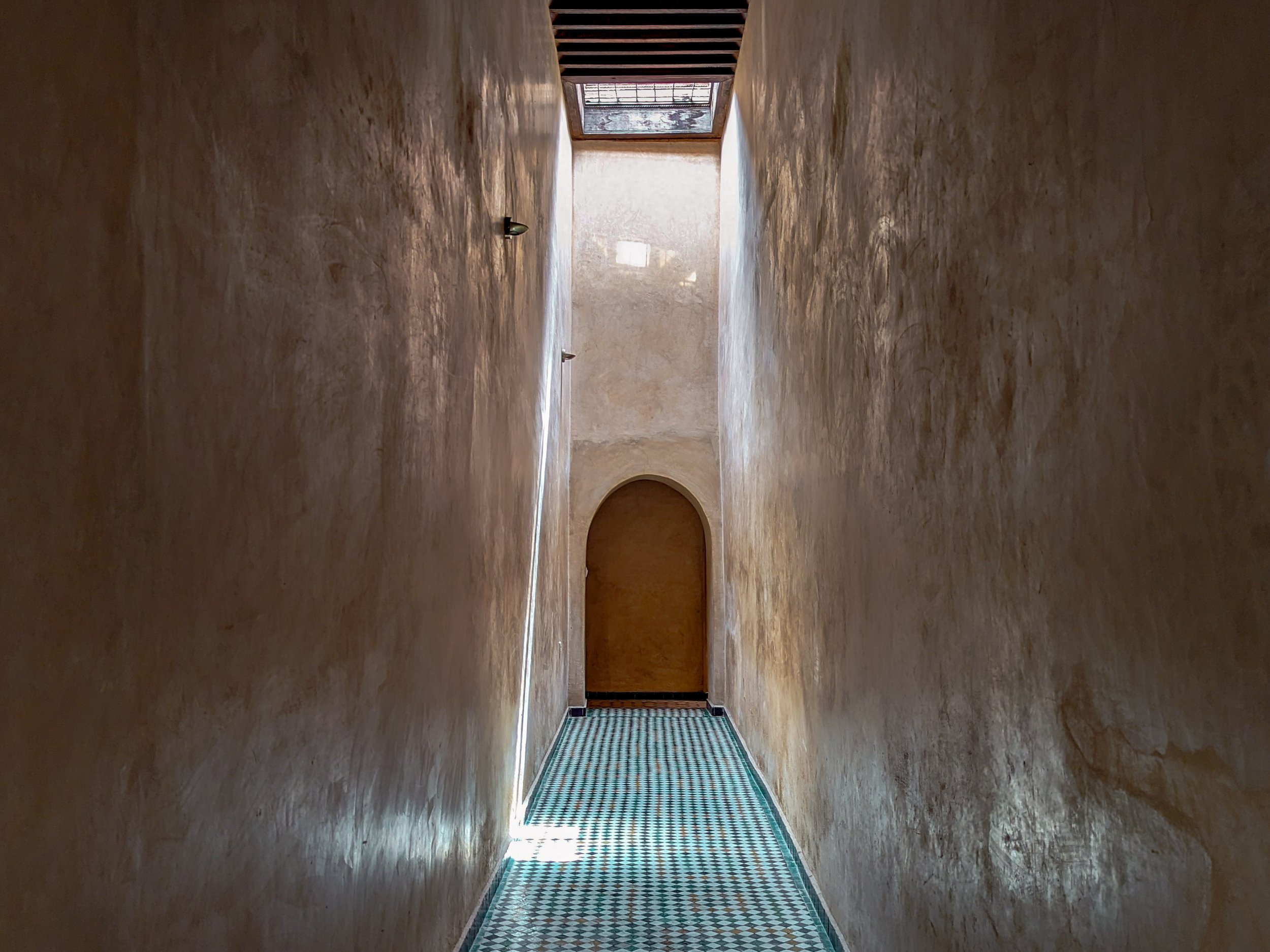
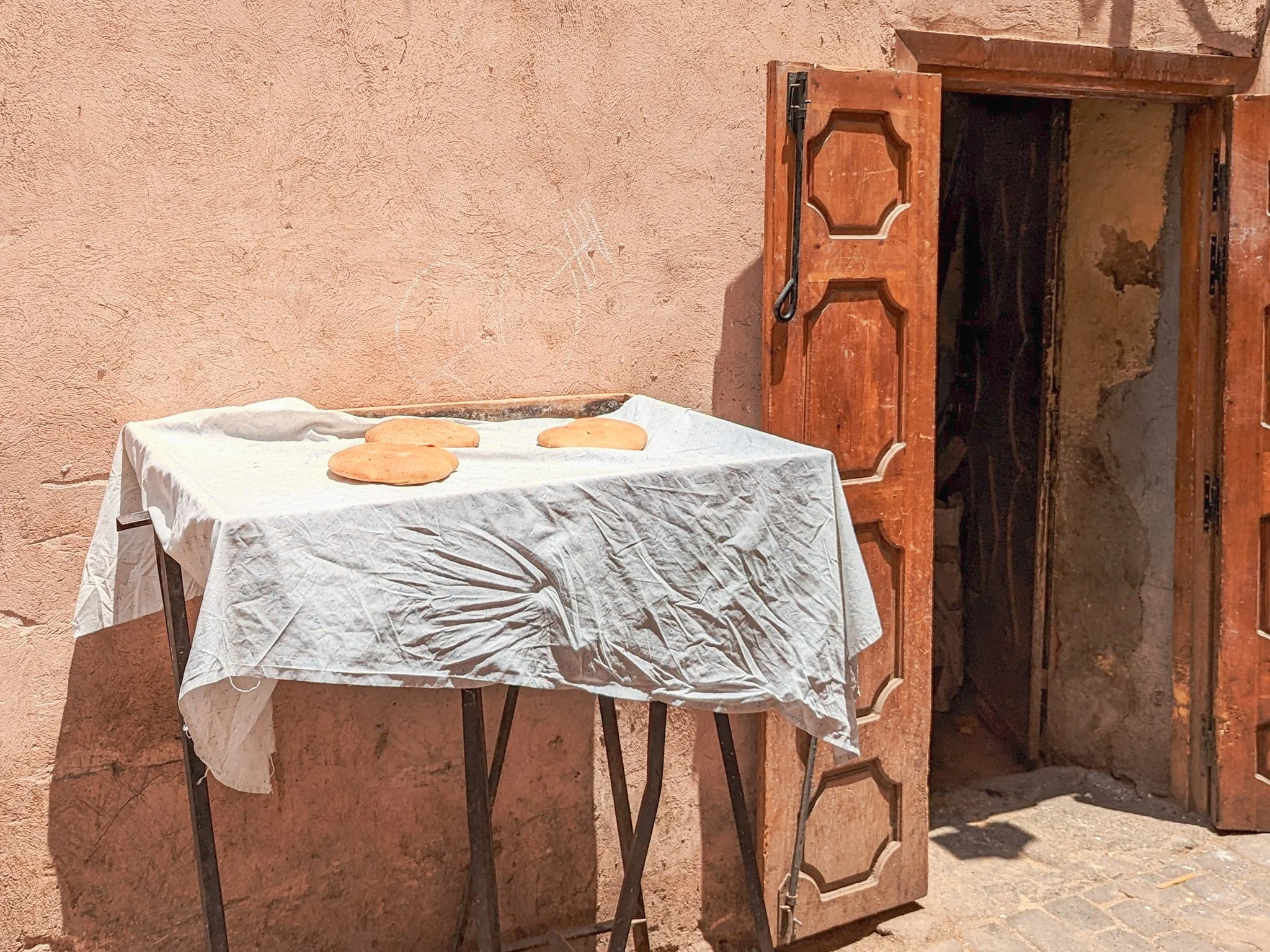
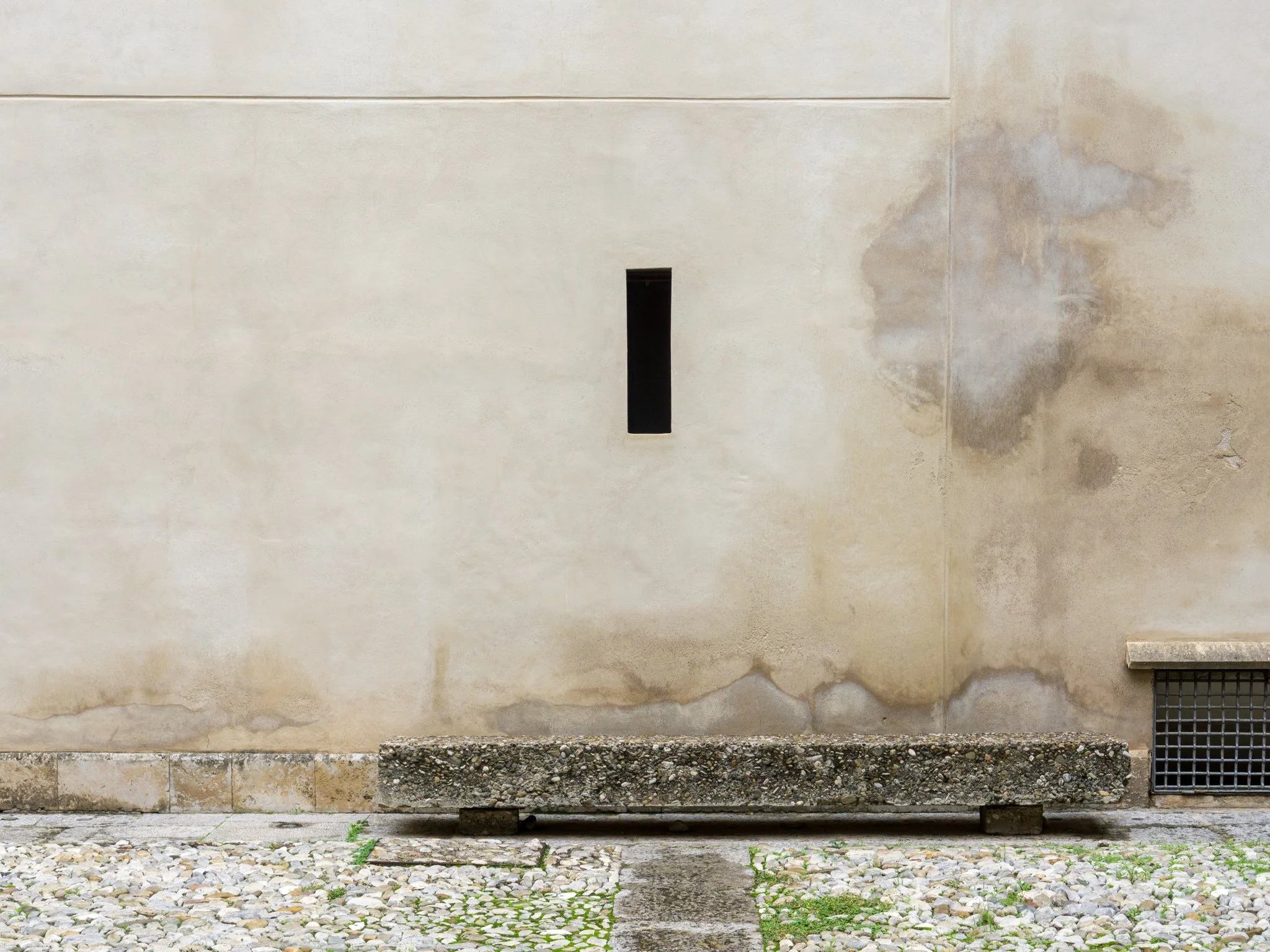
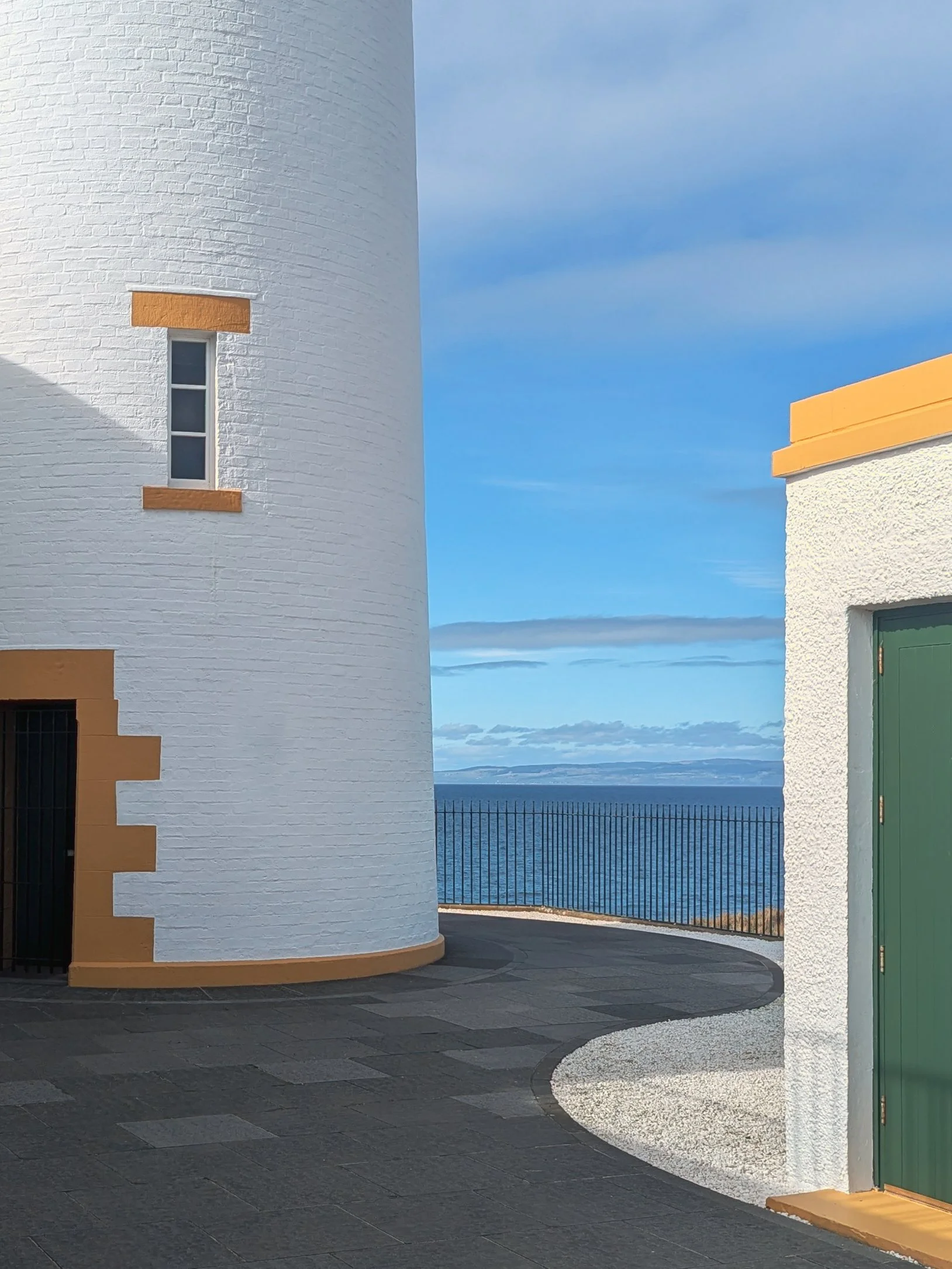
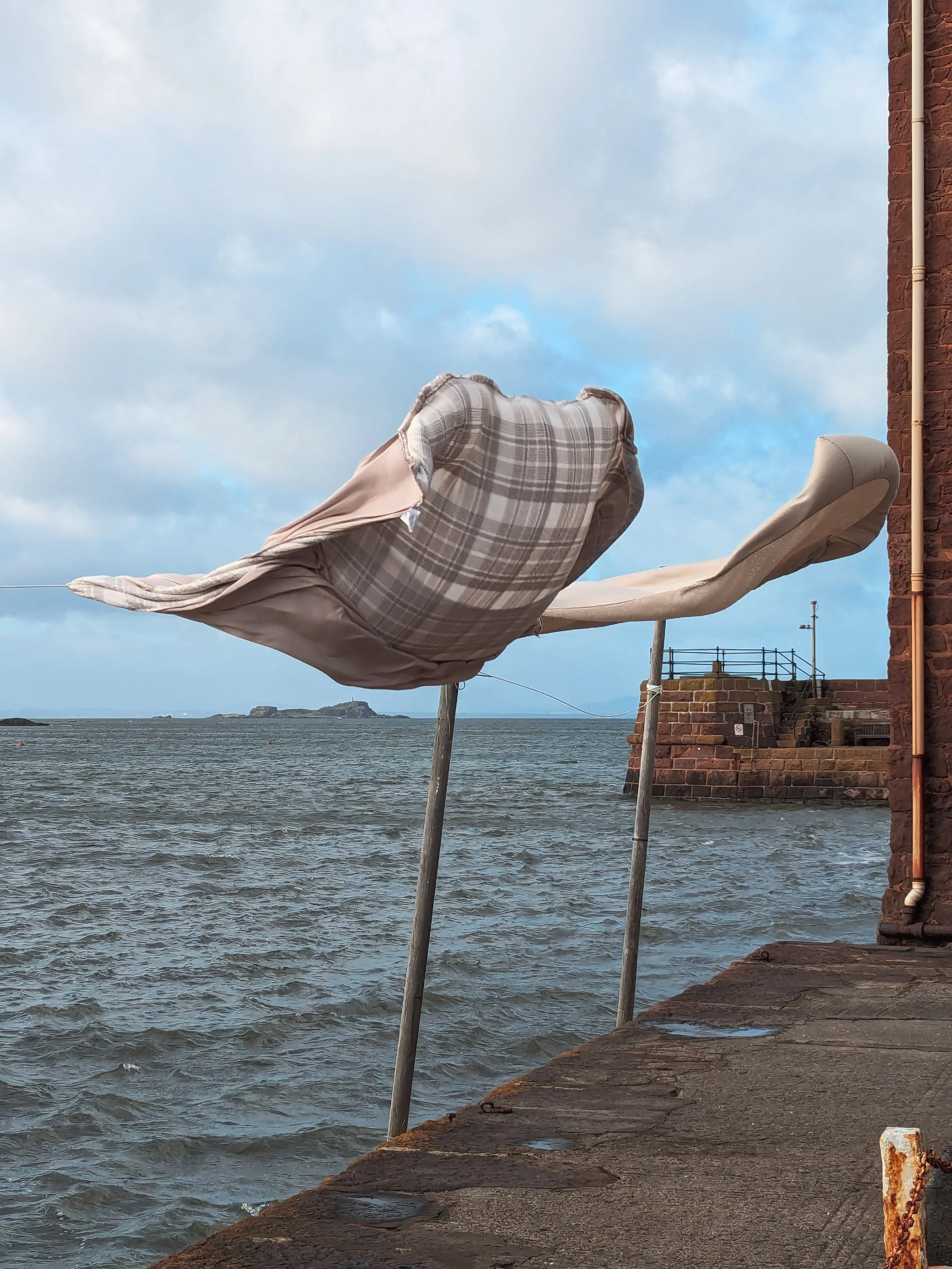
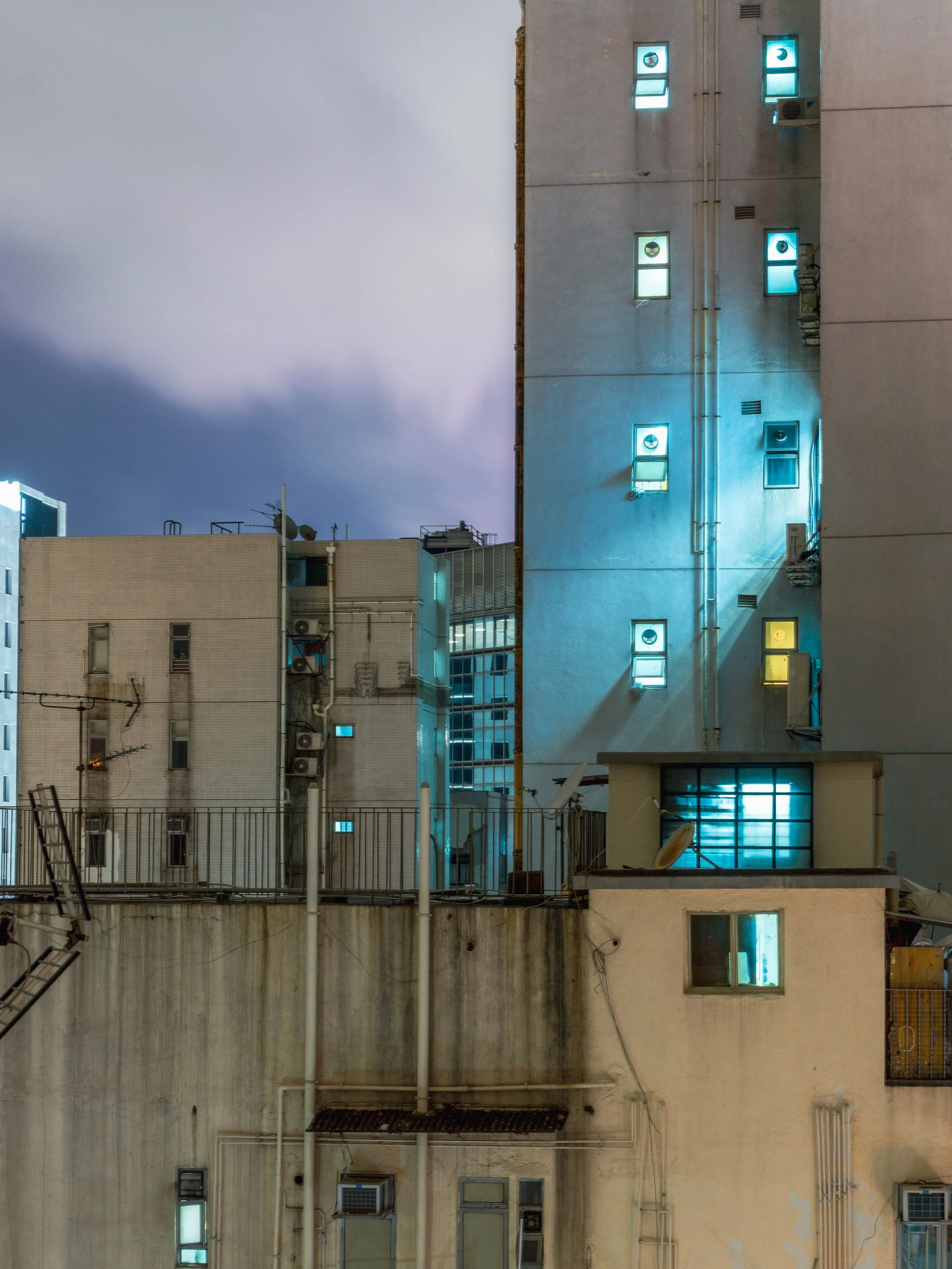
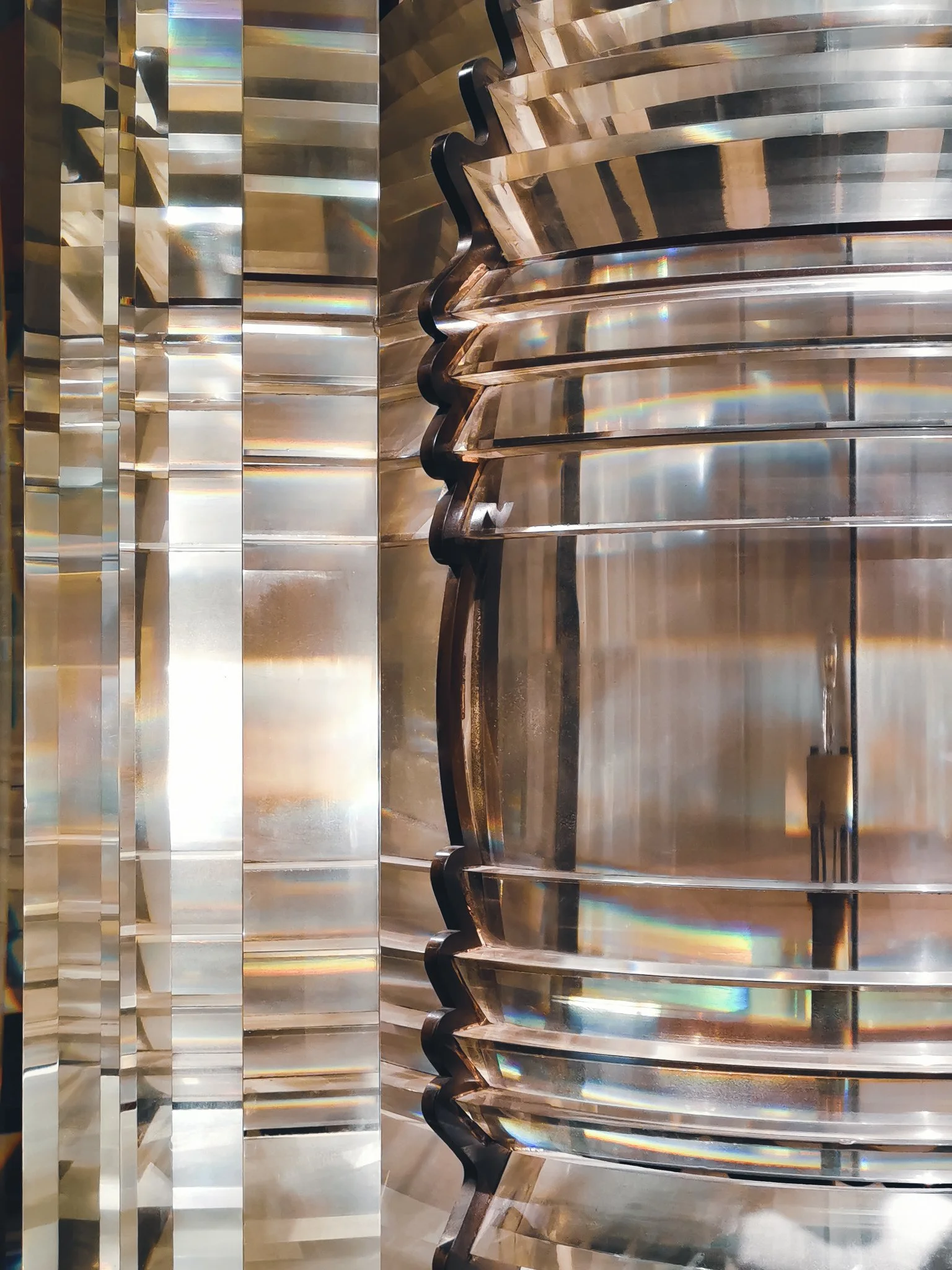
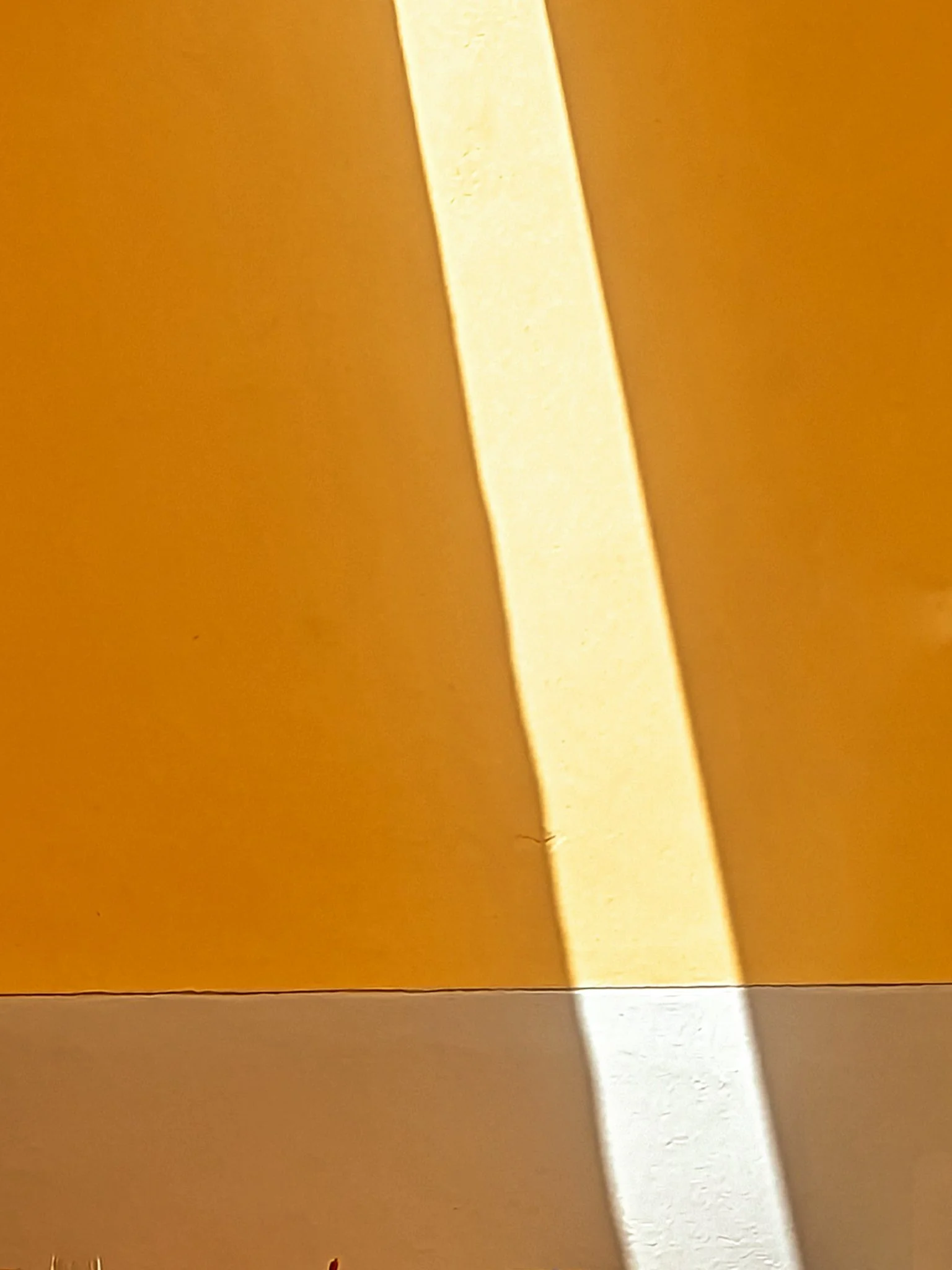
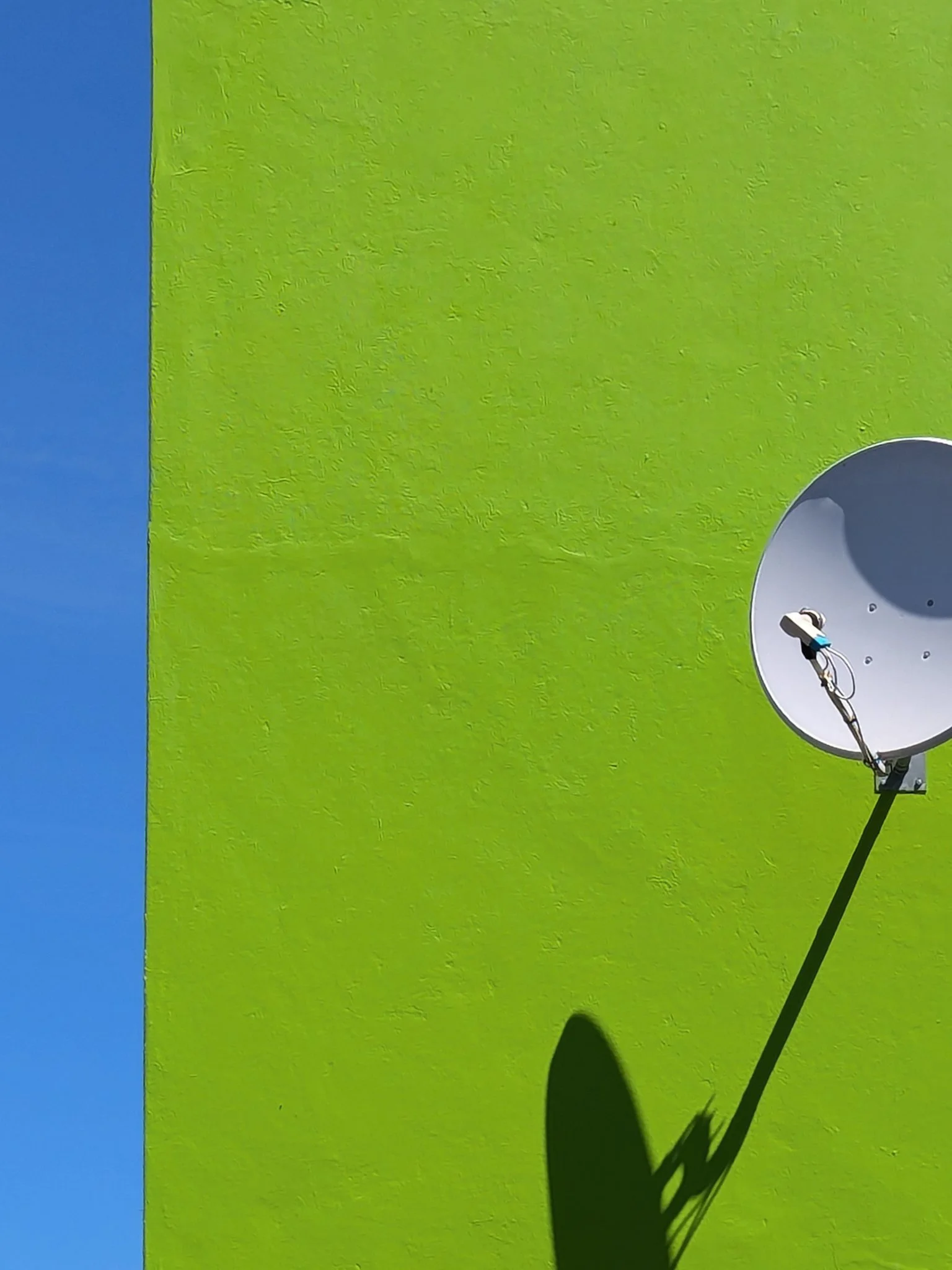
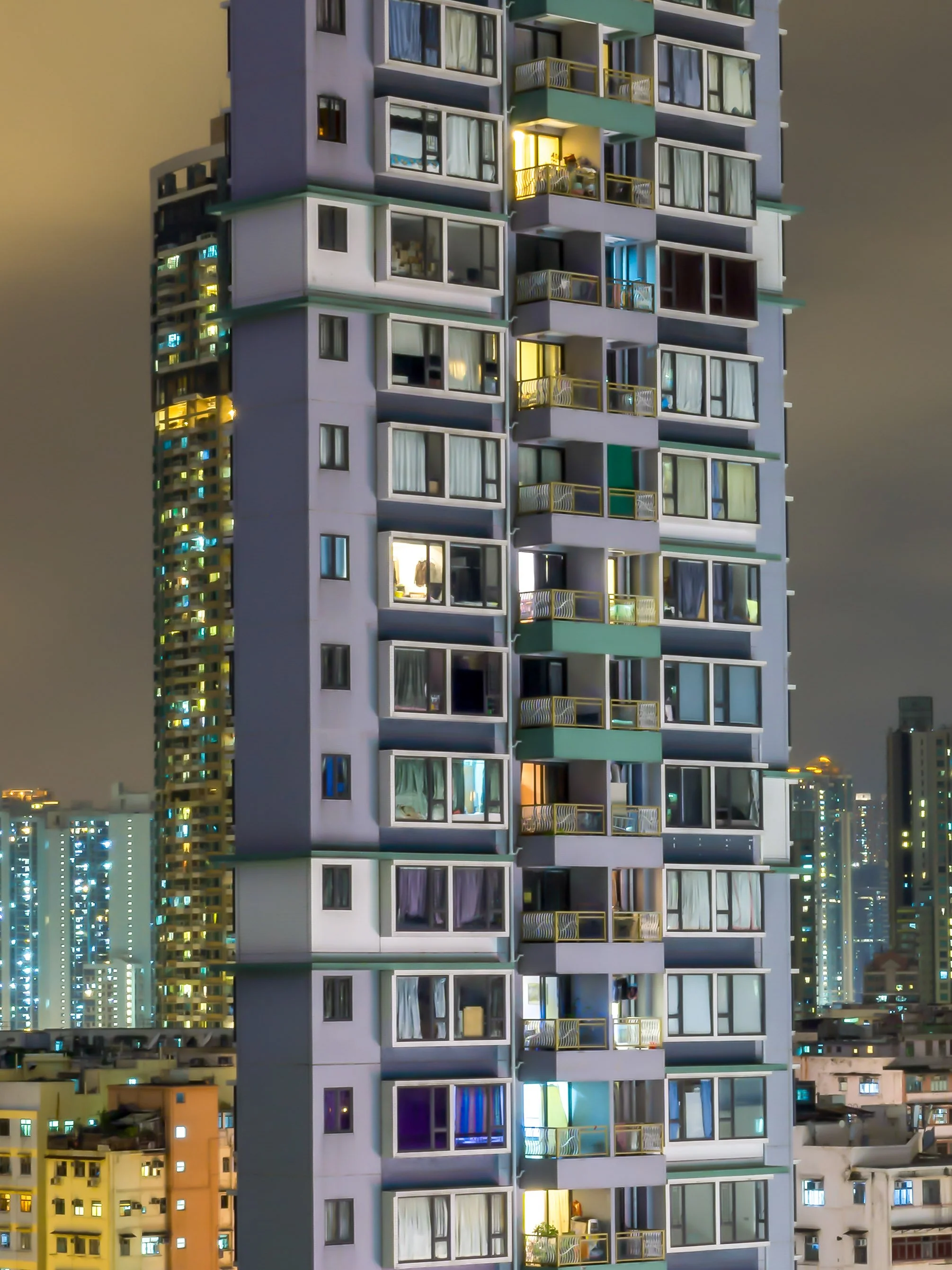
Intervals is a photographic project centred on the quiet thresholds we pass through and the fragments of time that ask us to linger. The series attends to moments of pause within everyday environments, where shifts in light, space and structure interrupt the usual flow of activity and heighten our awareness of being present within a place.
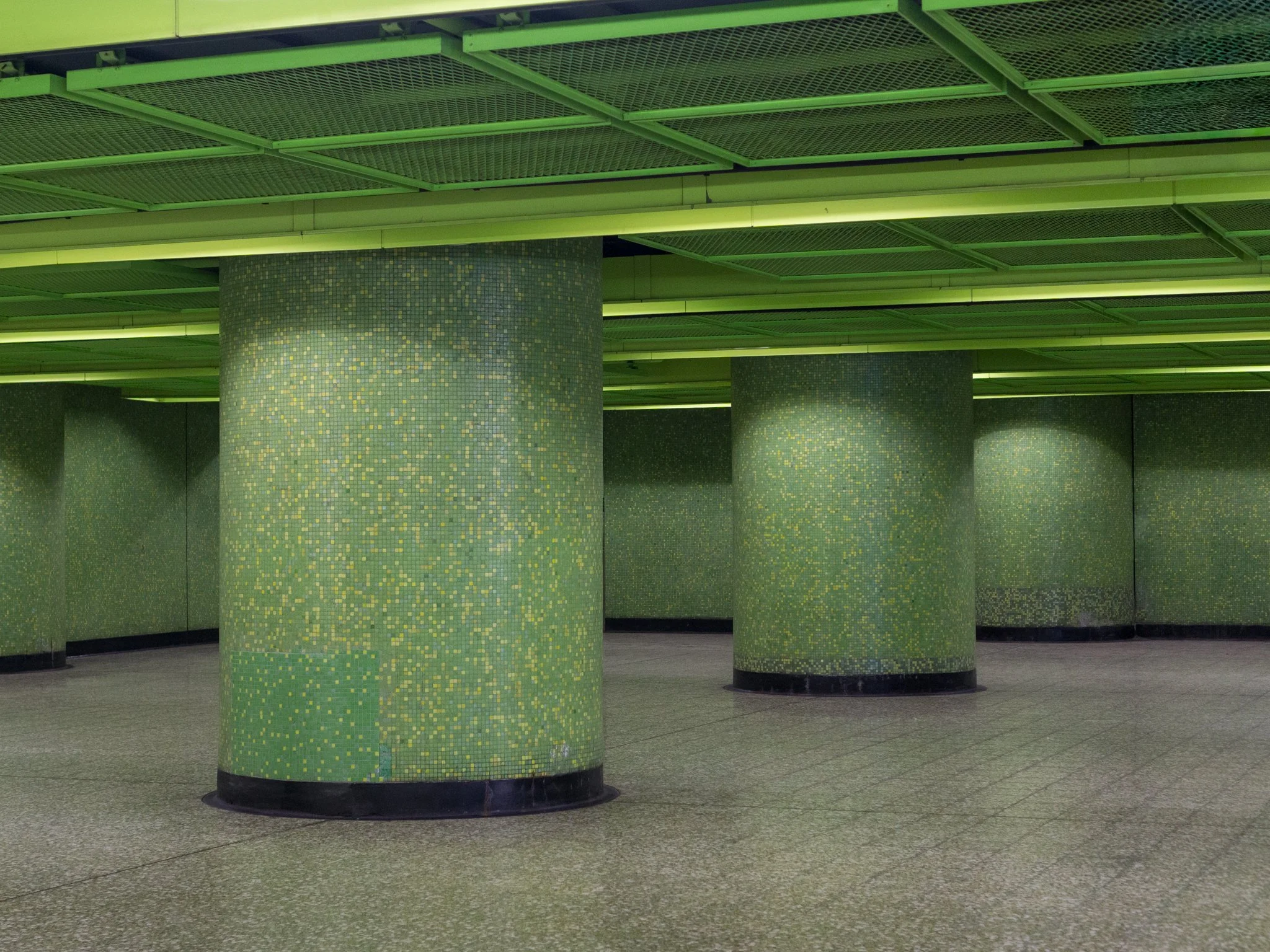
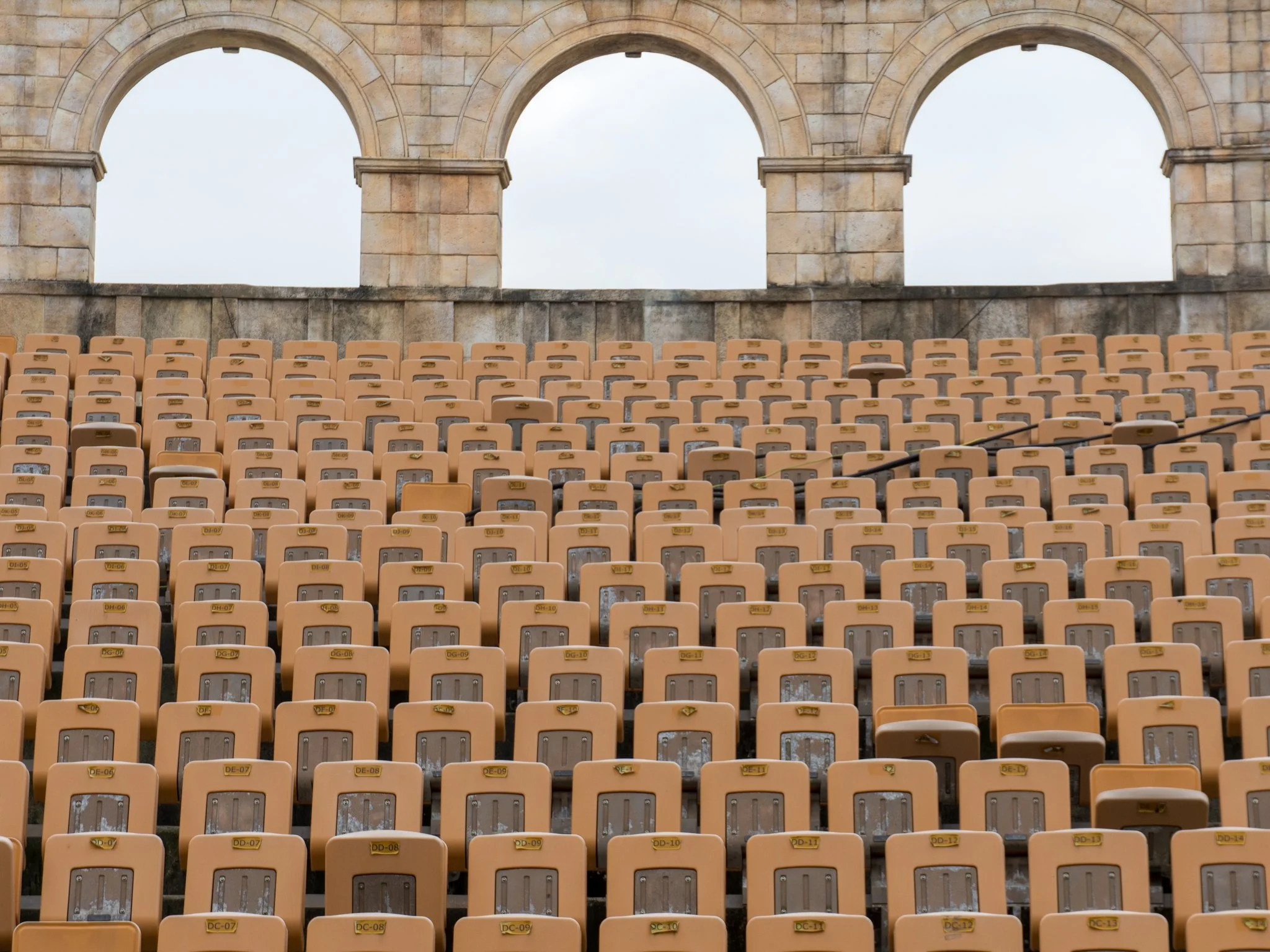
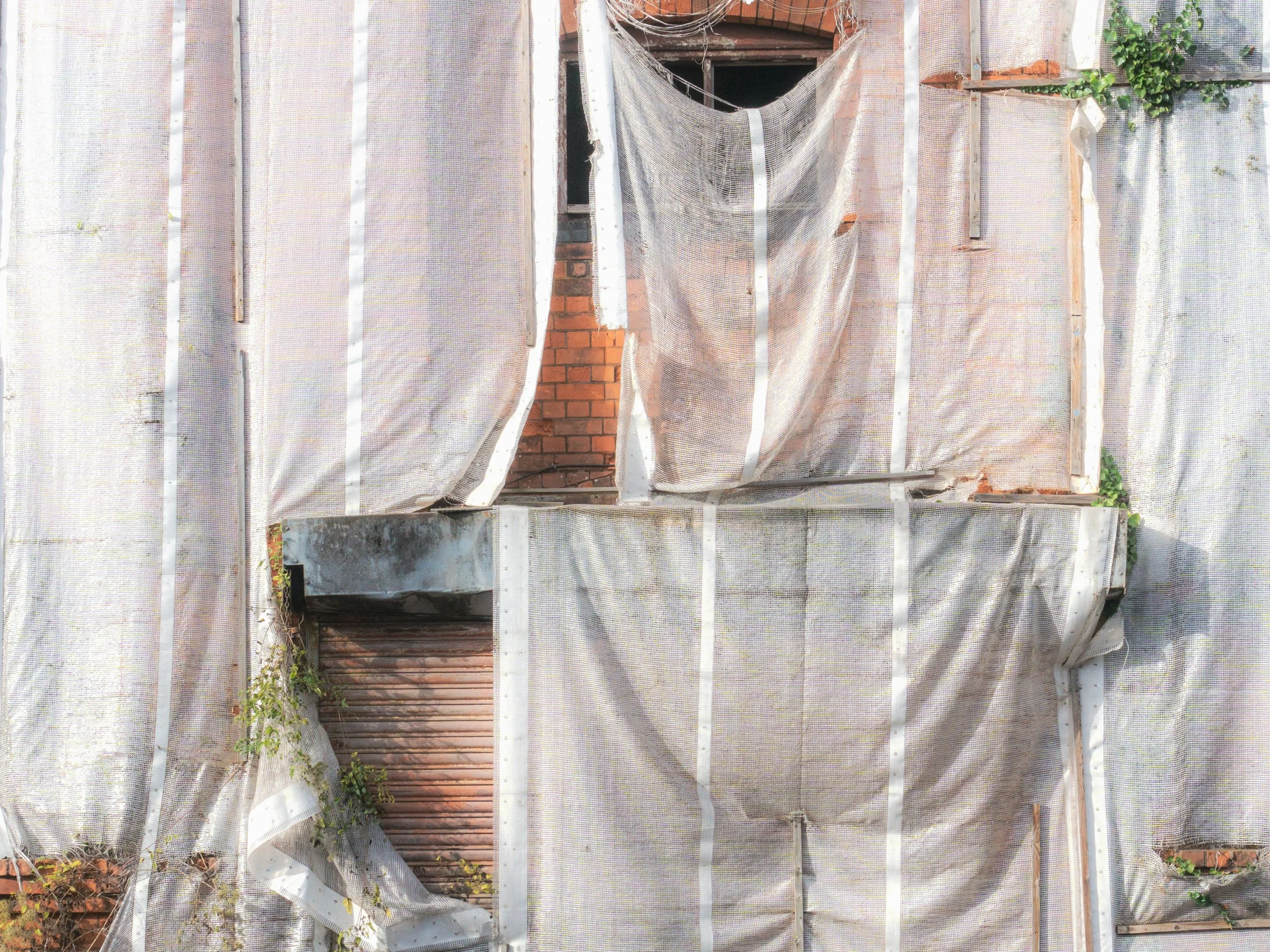
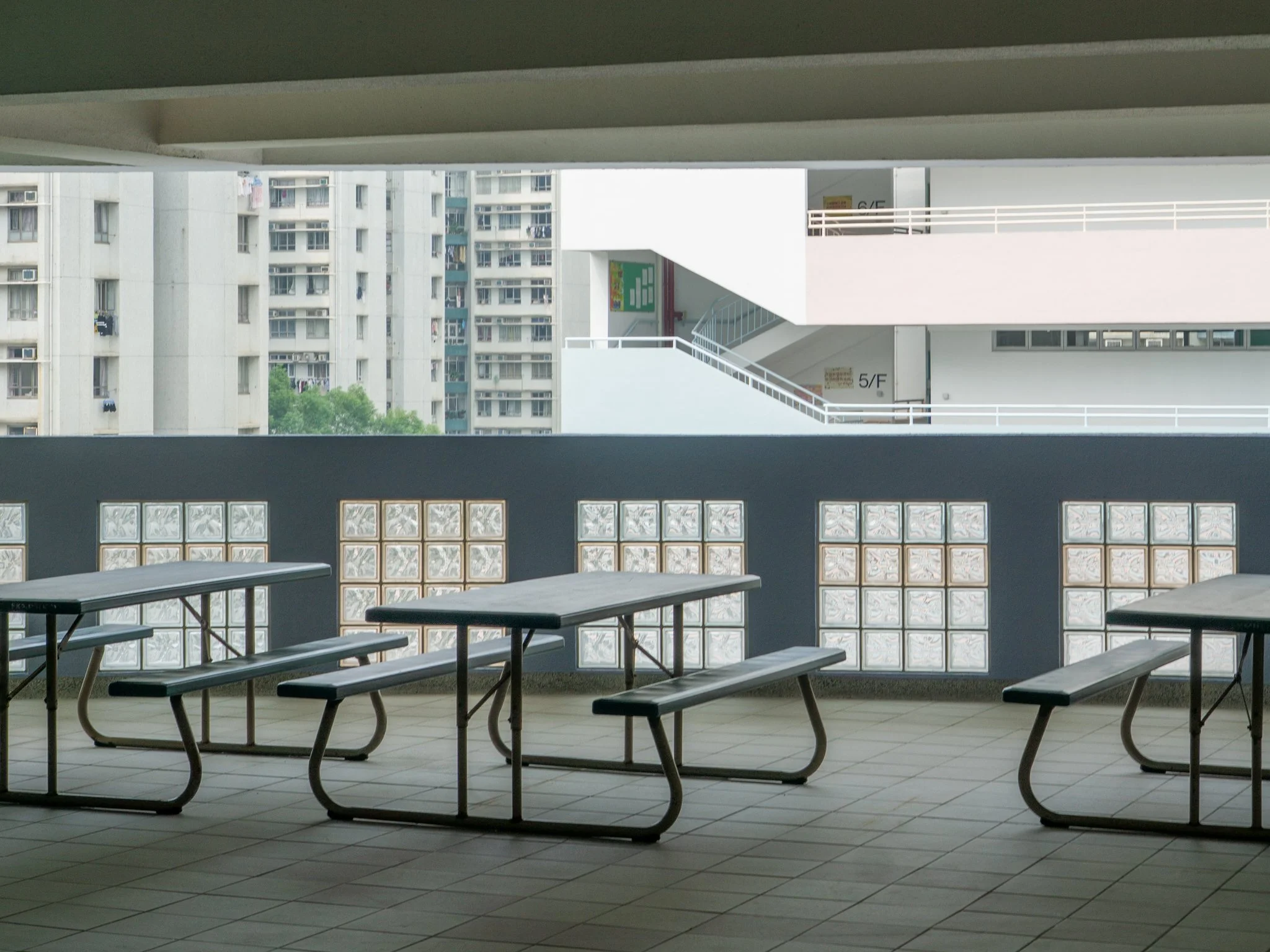
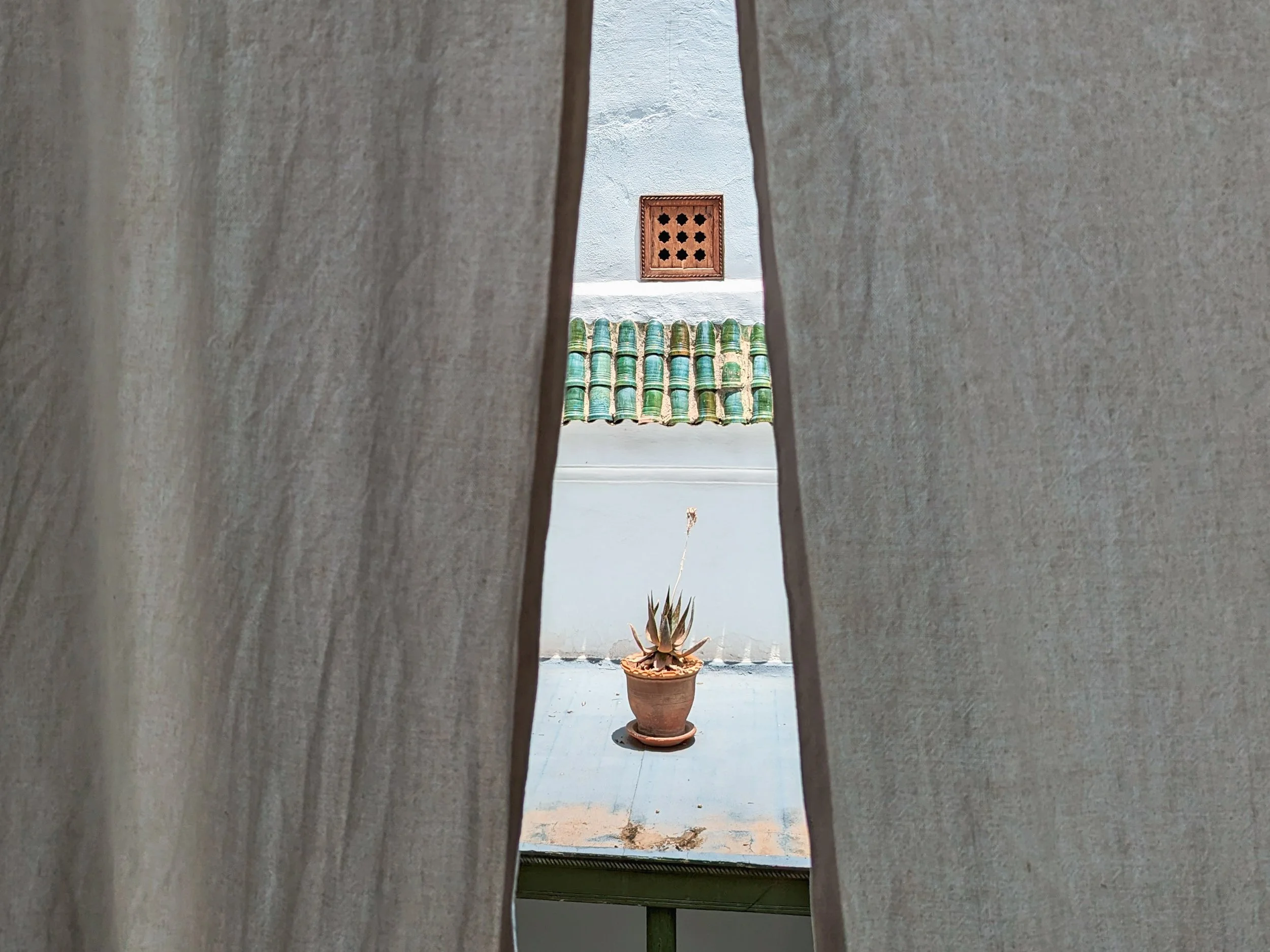
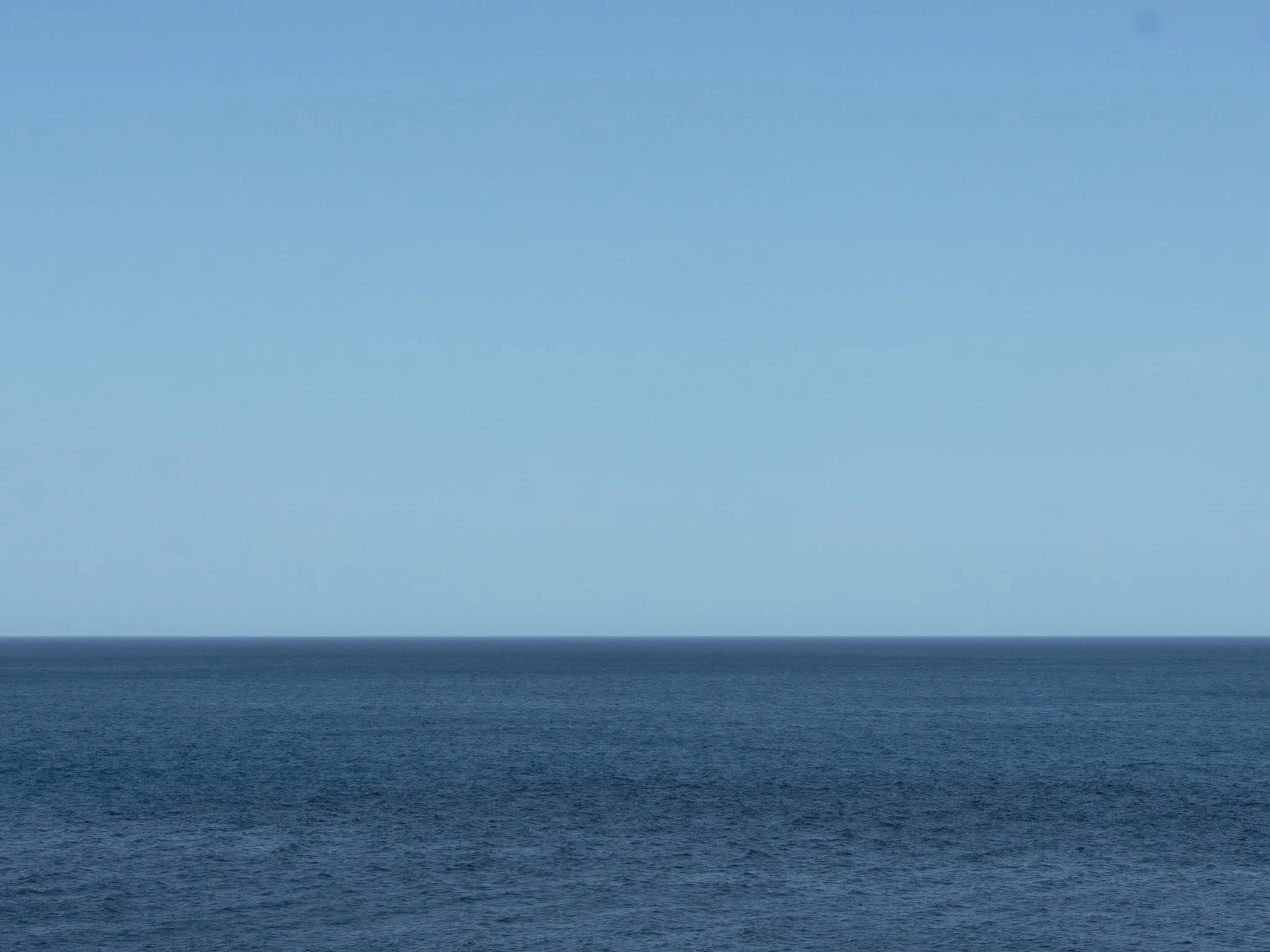
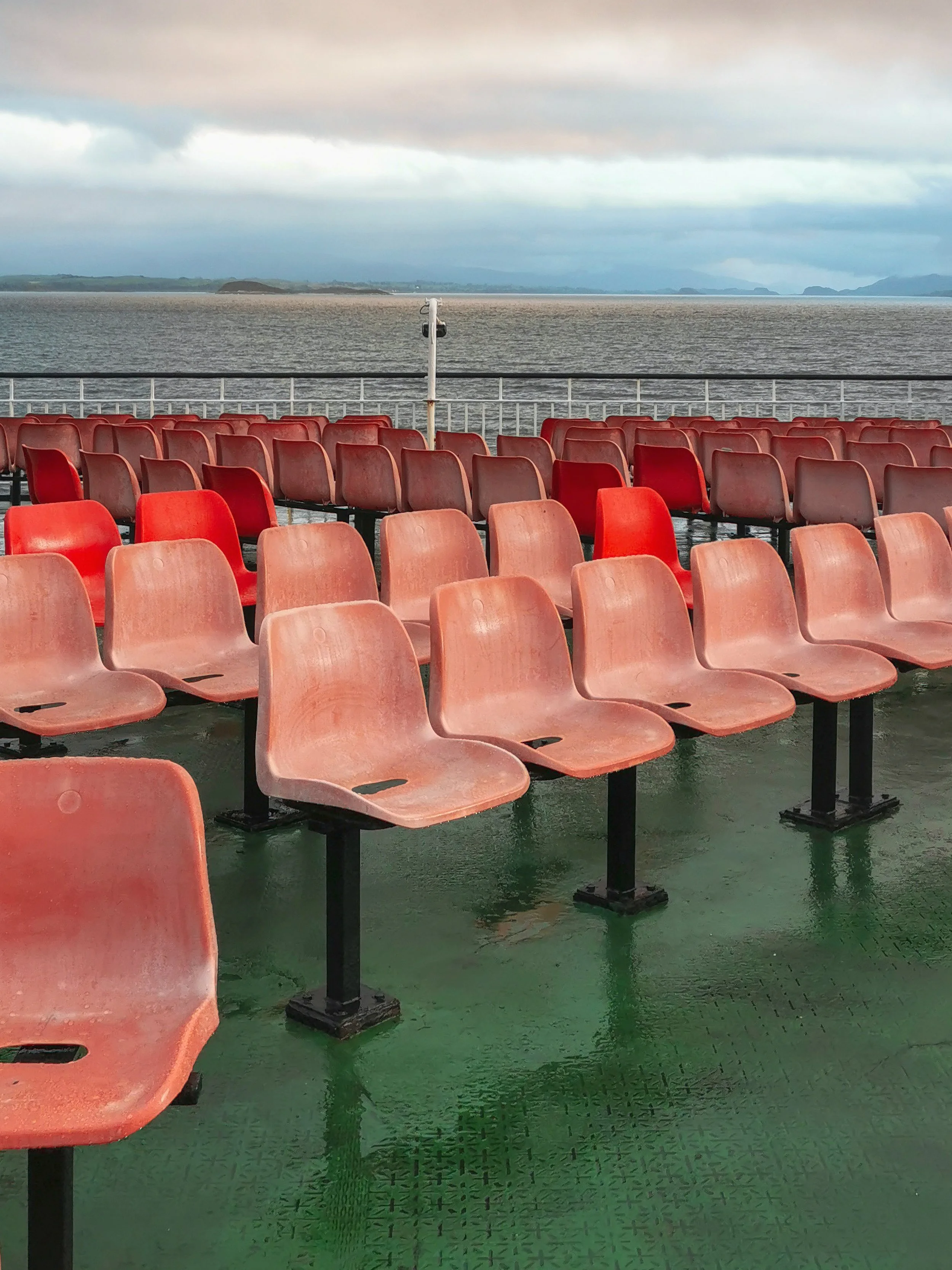
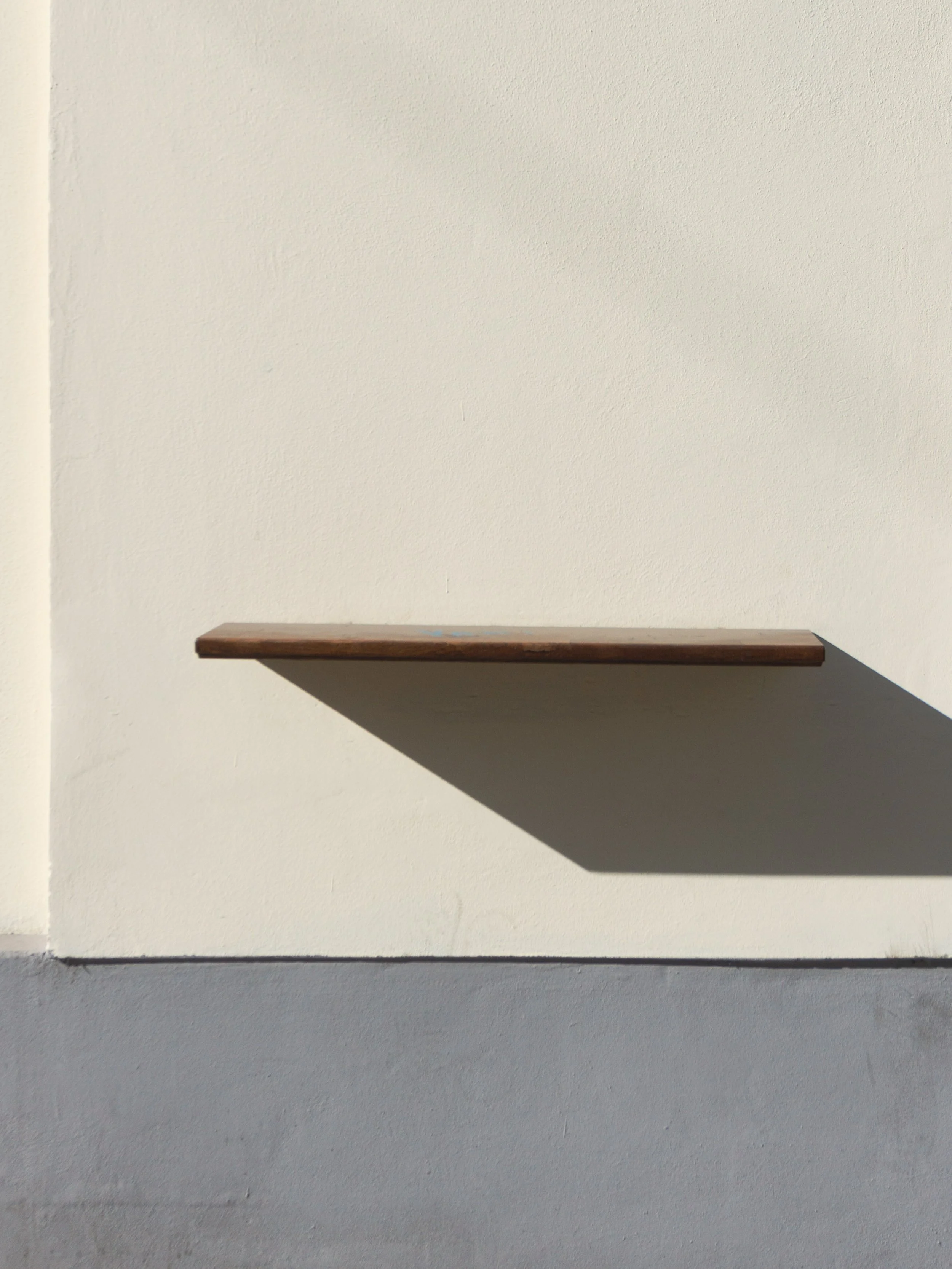
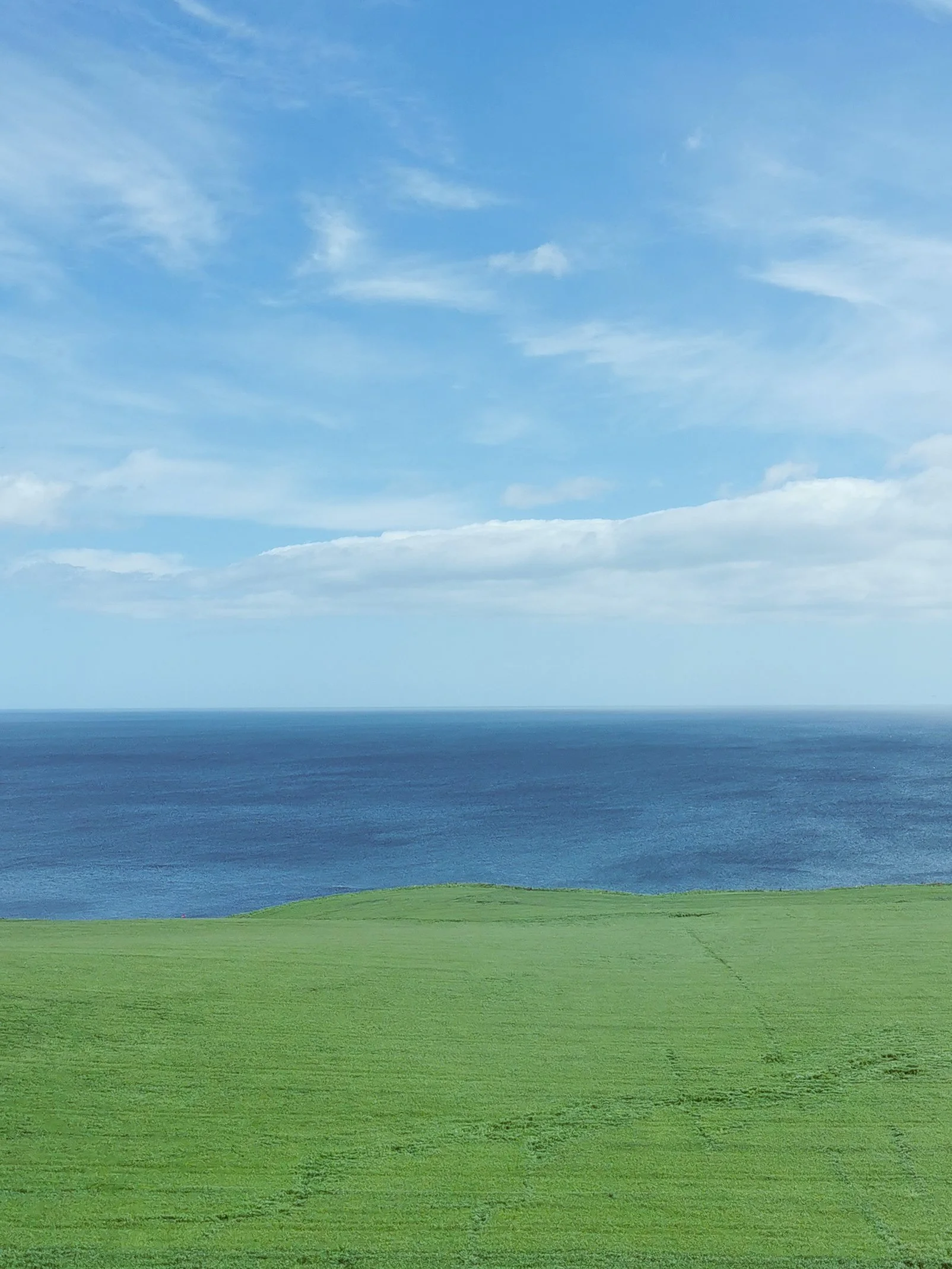
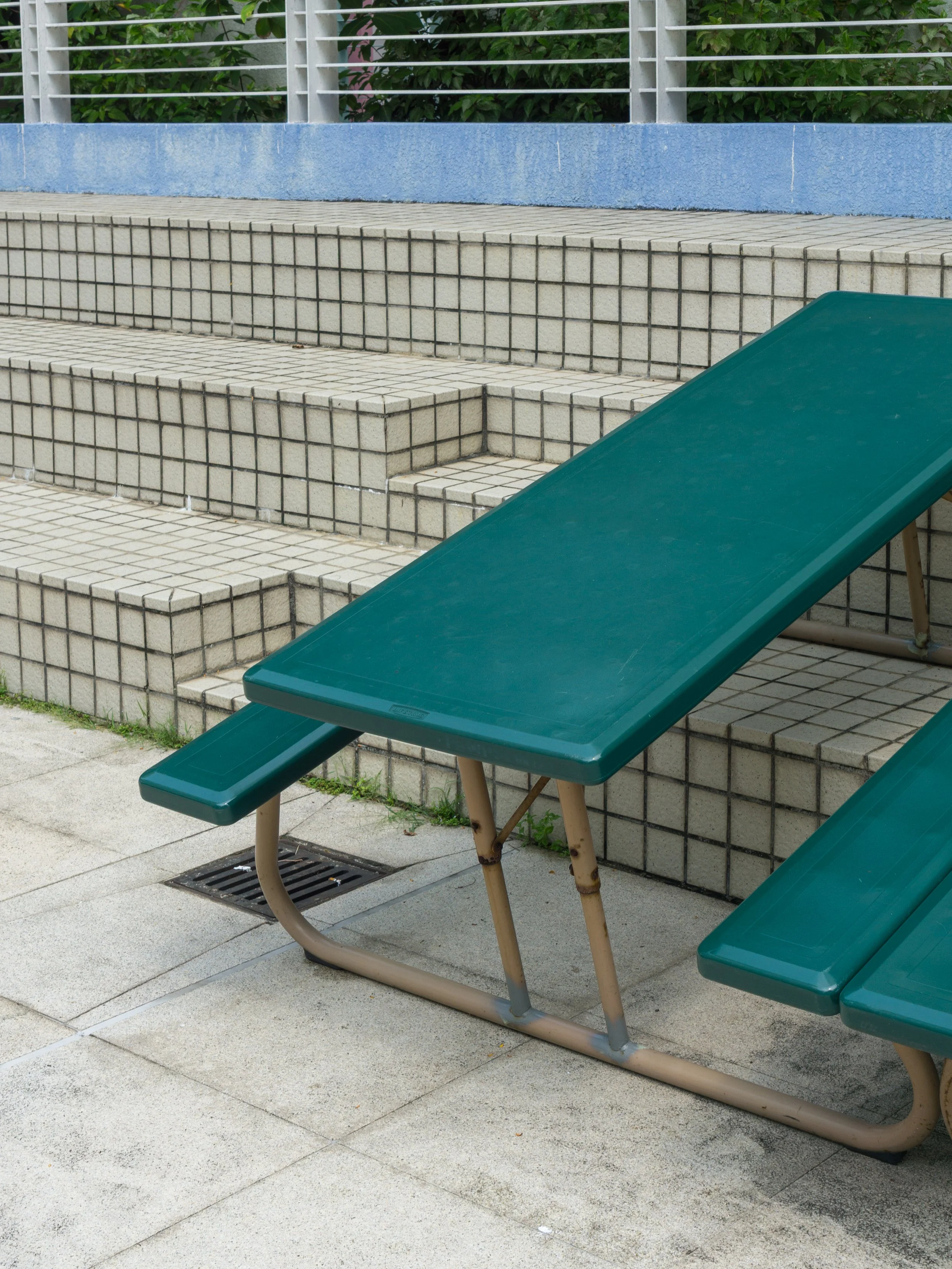
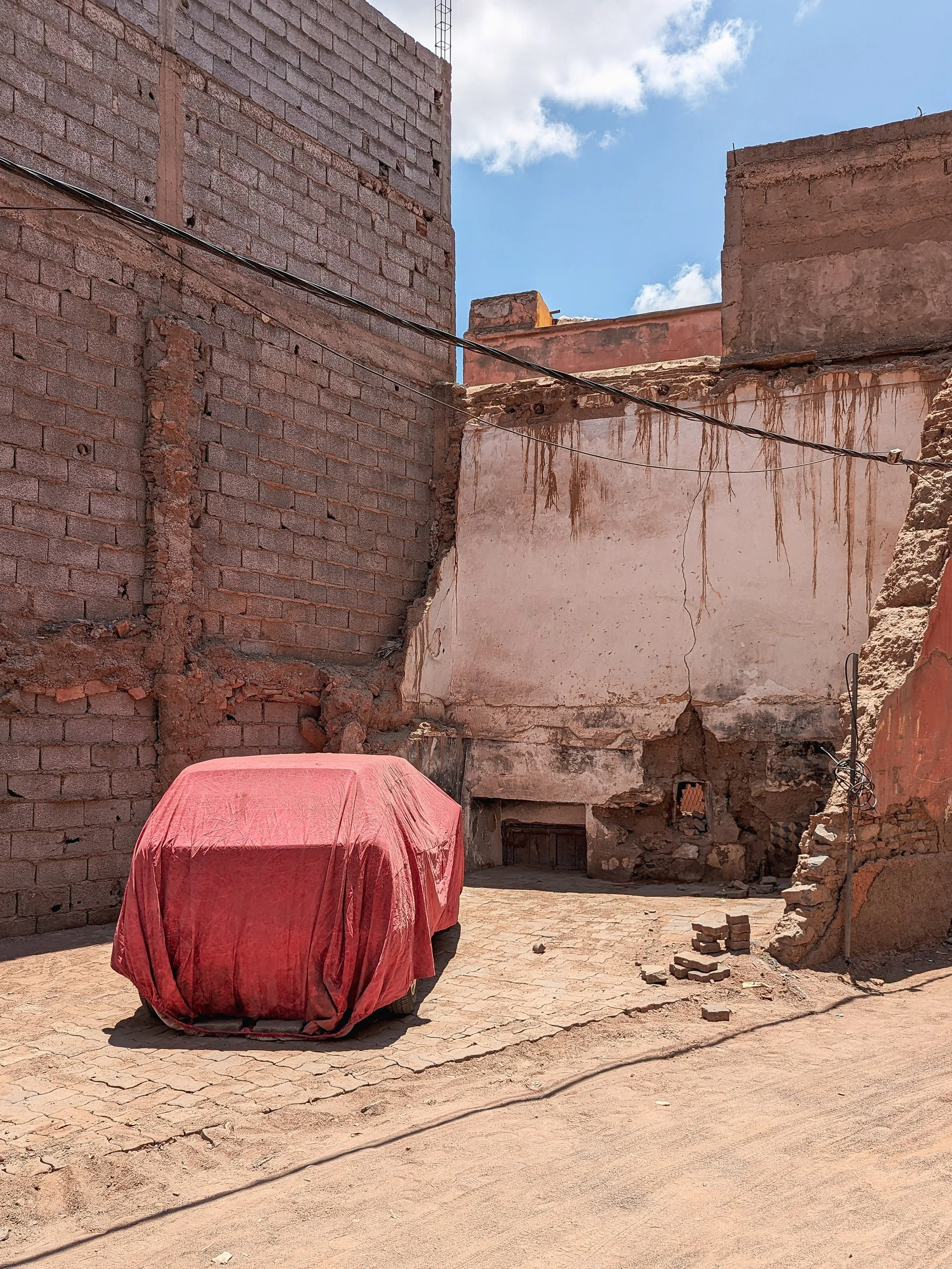
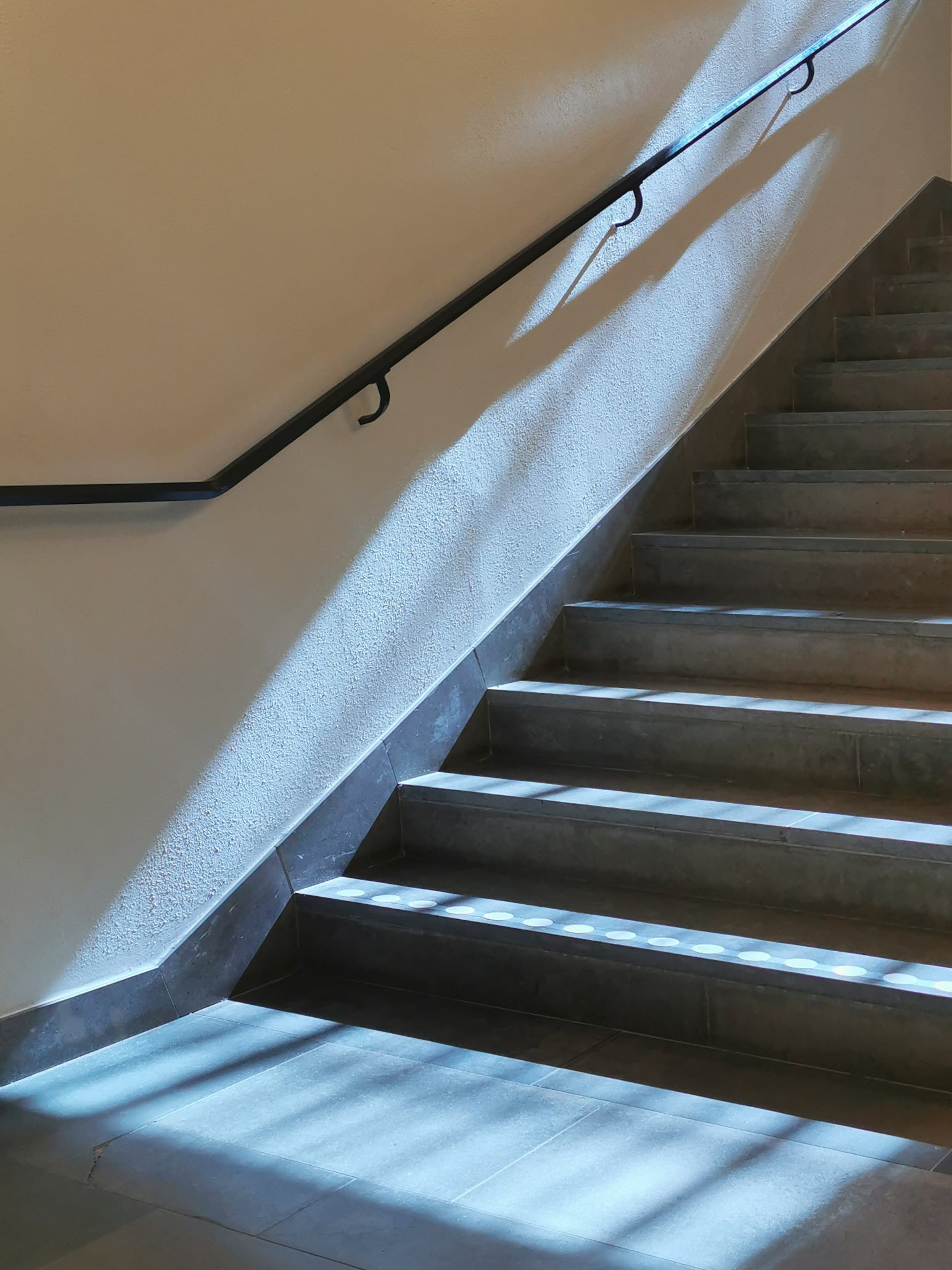
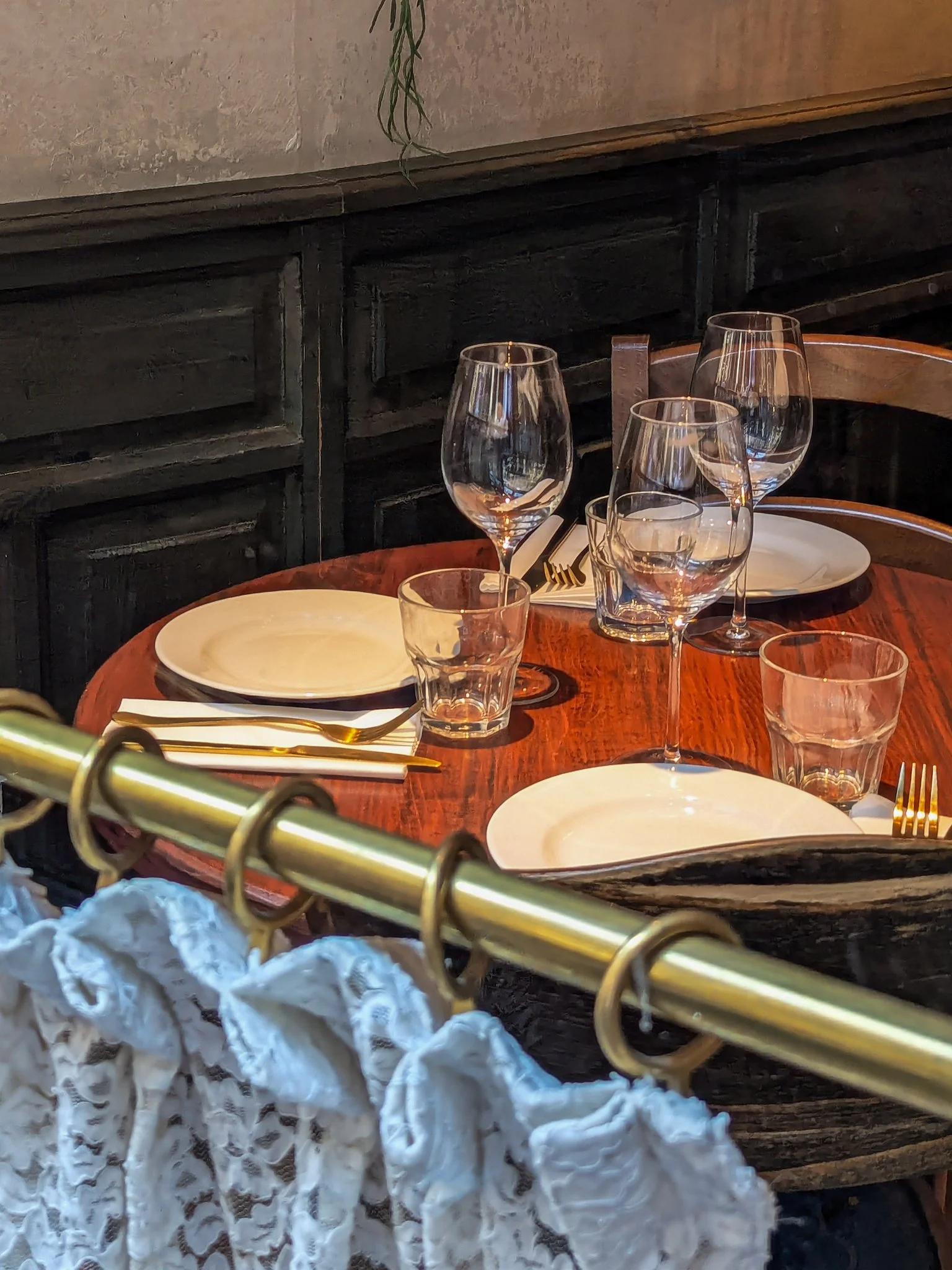
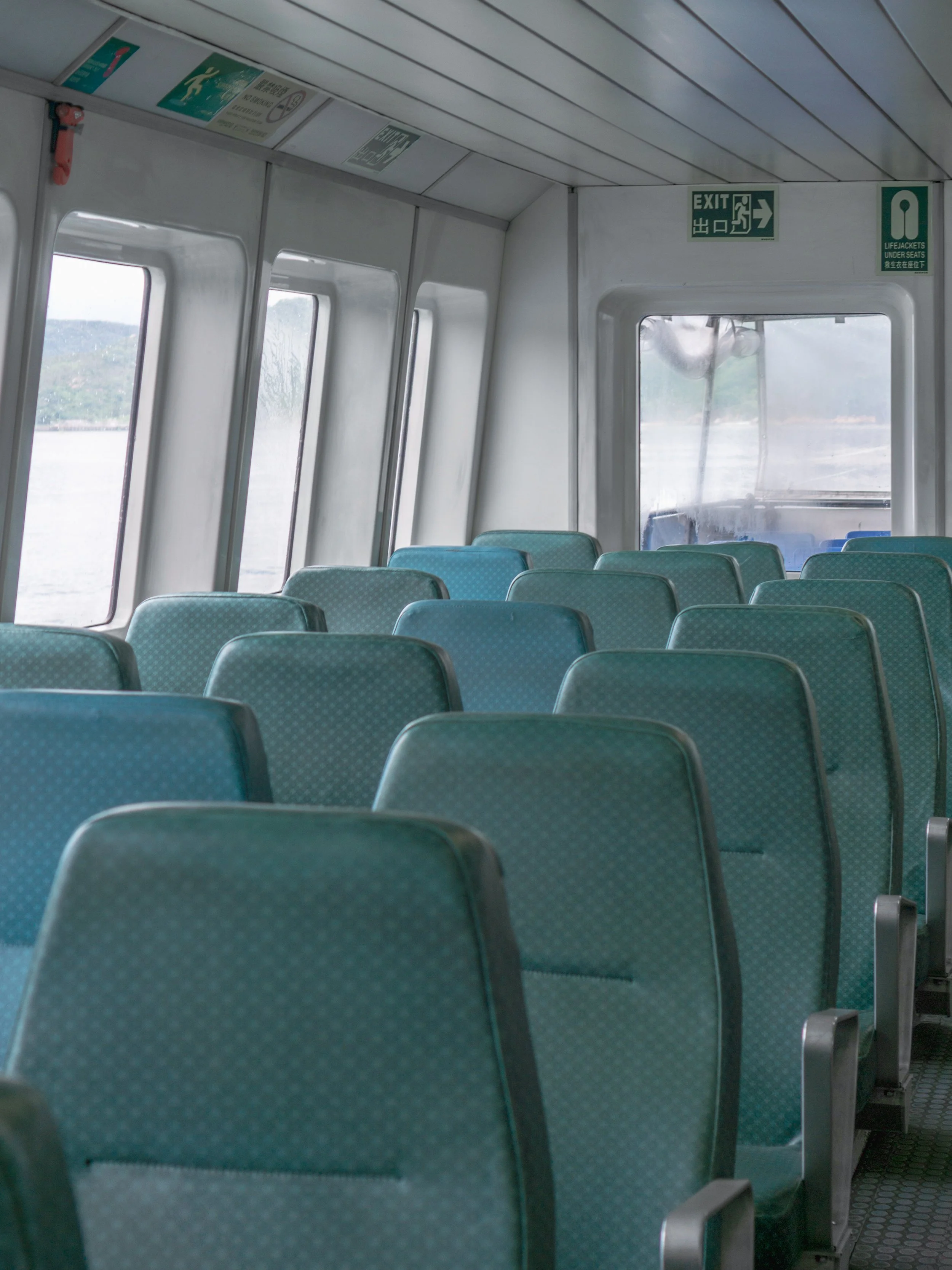
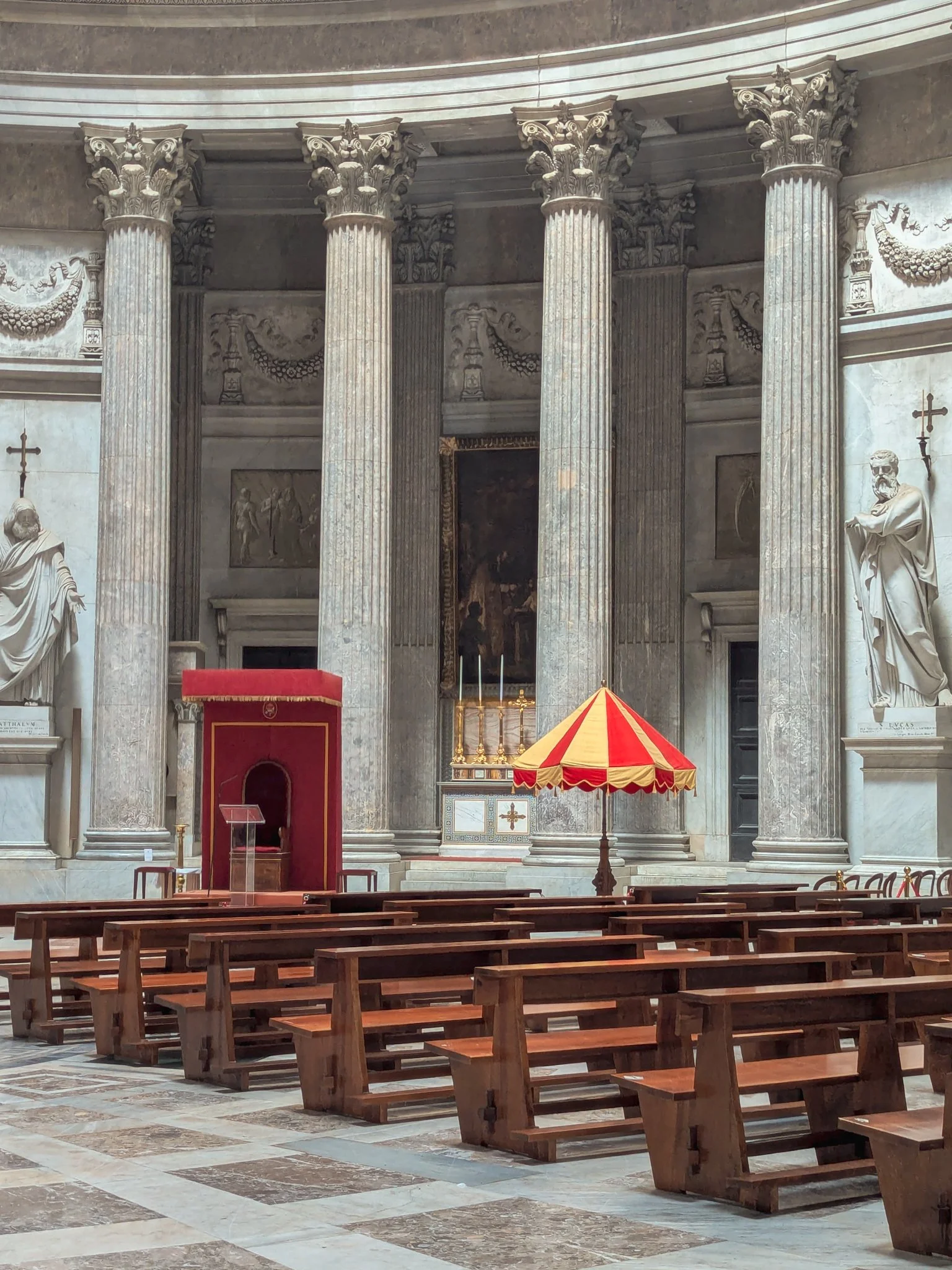
The photographs are made through sustained observation rather than the pursuit of decisive events. Stairwells, empty seating, walkways, architectural surfaces and shifting horizons become subjects precisely because little appears to be happening. These are often spaces designed around movement, gathering or use, but when that activity recedes, their underlying structures become more visible. The project asks what happens to a place when it is temporarily released from its intended function, and how attention might change the way we understand an otherwise familiar environment.
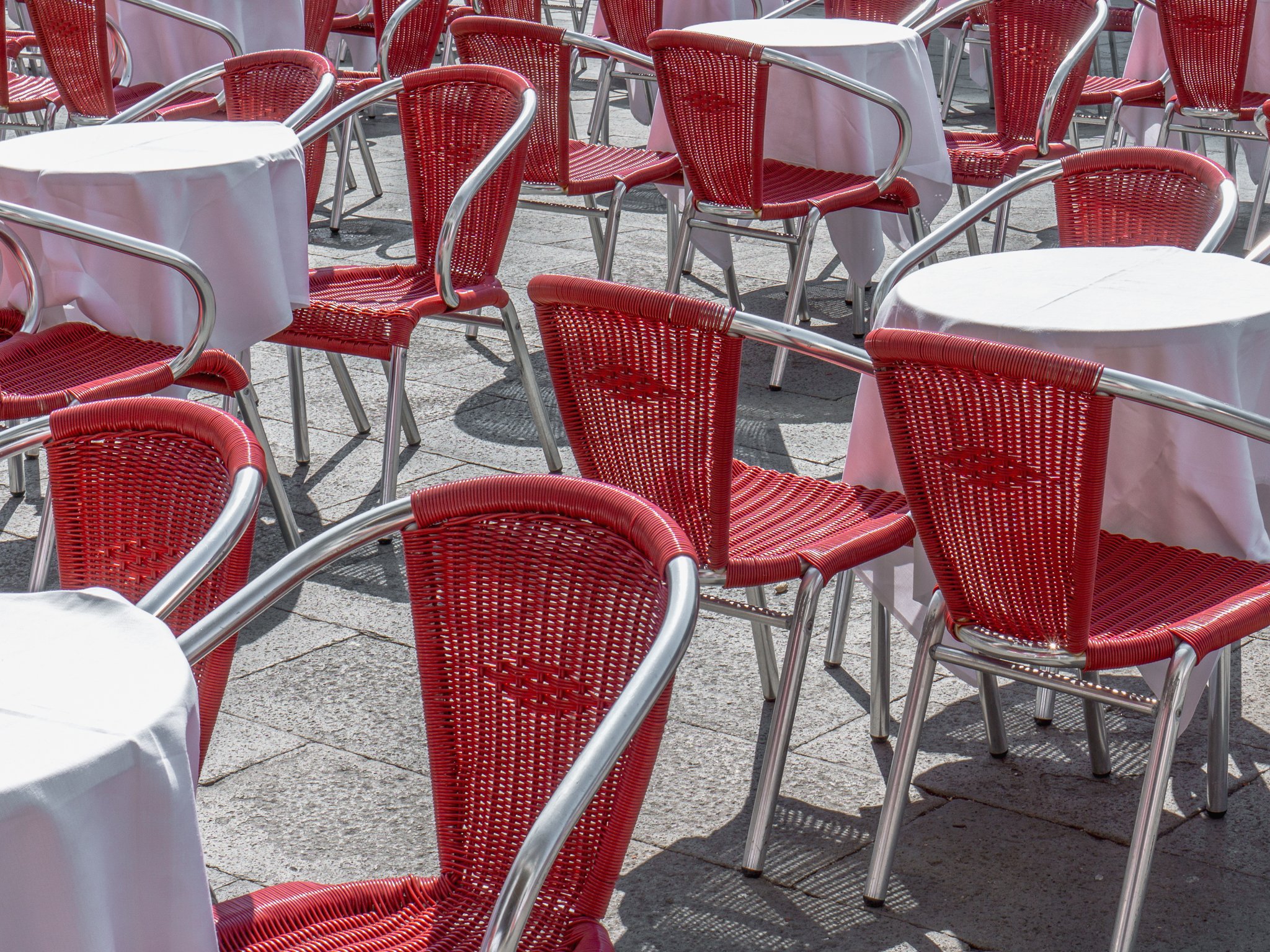
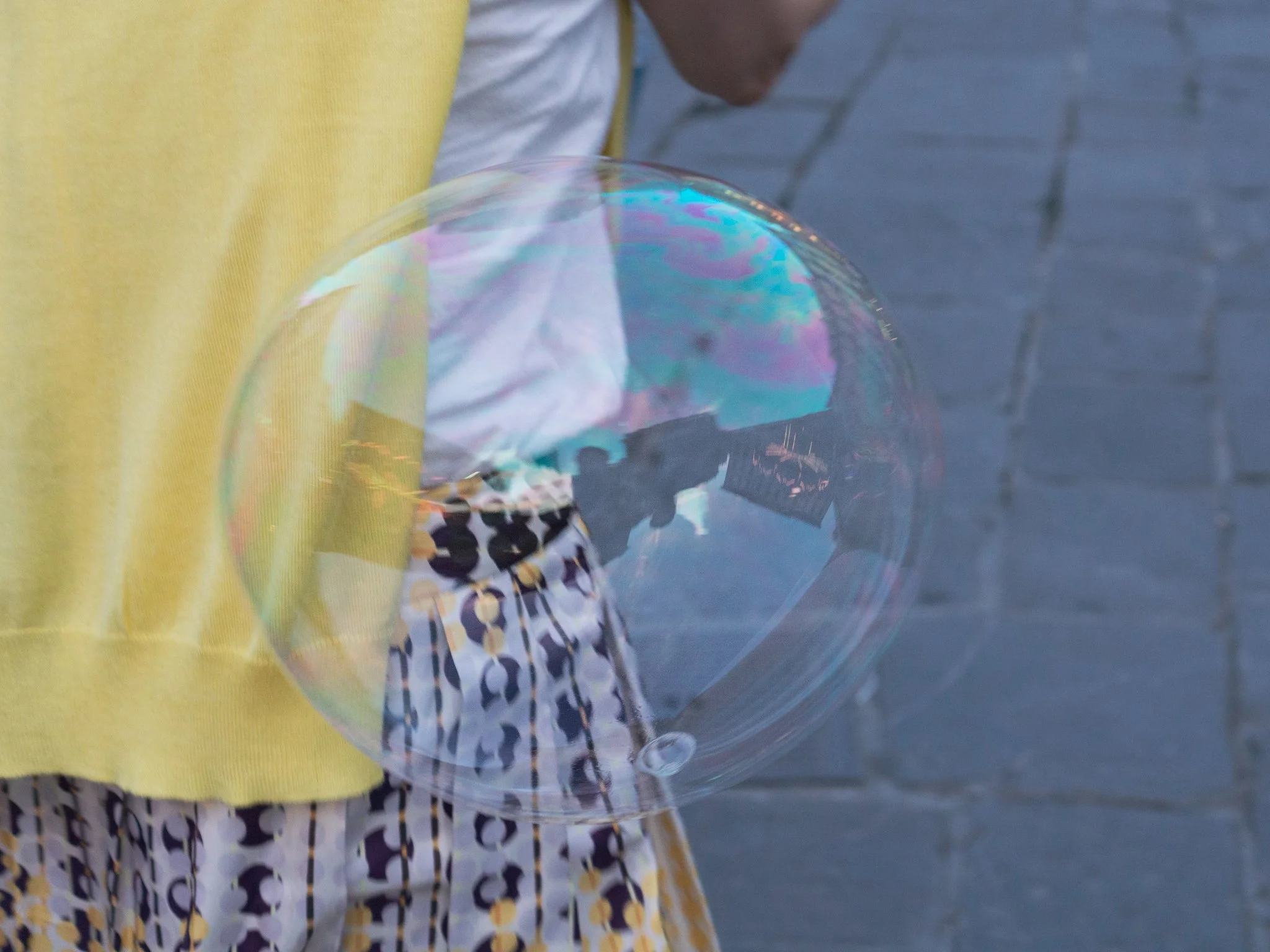
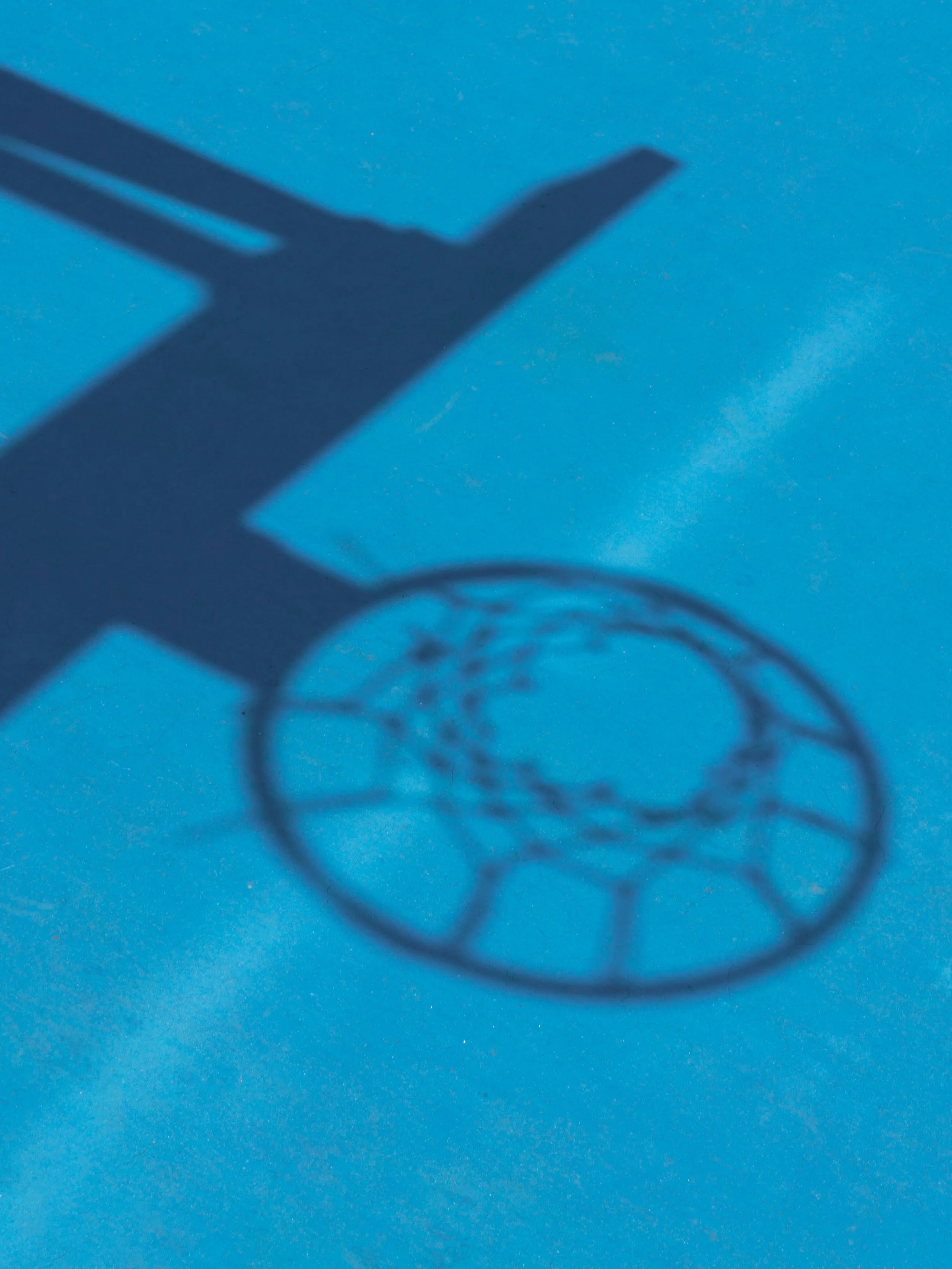
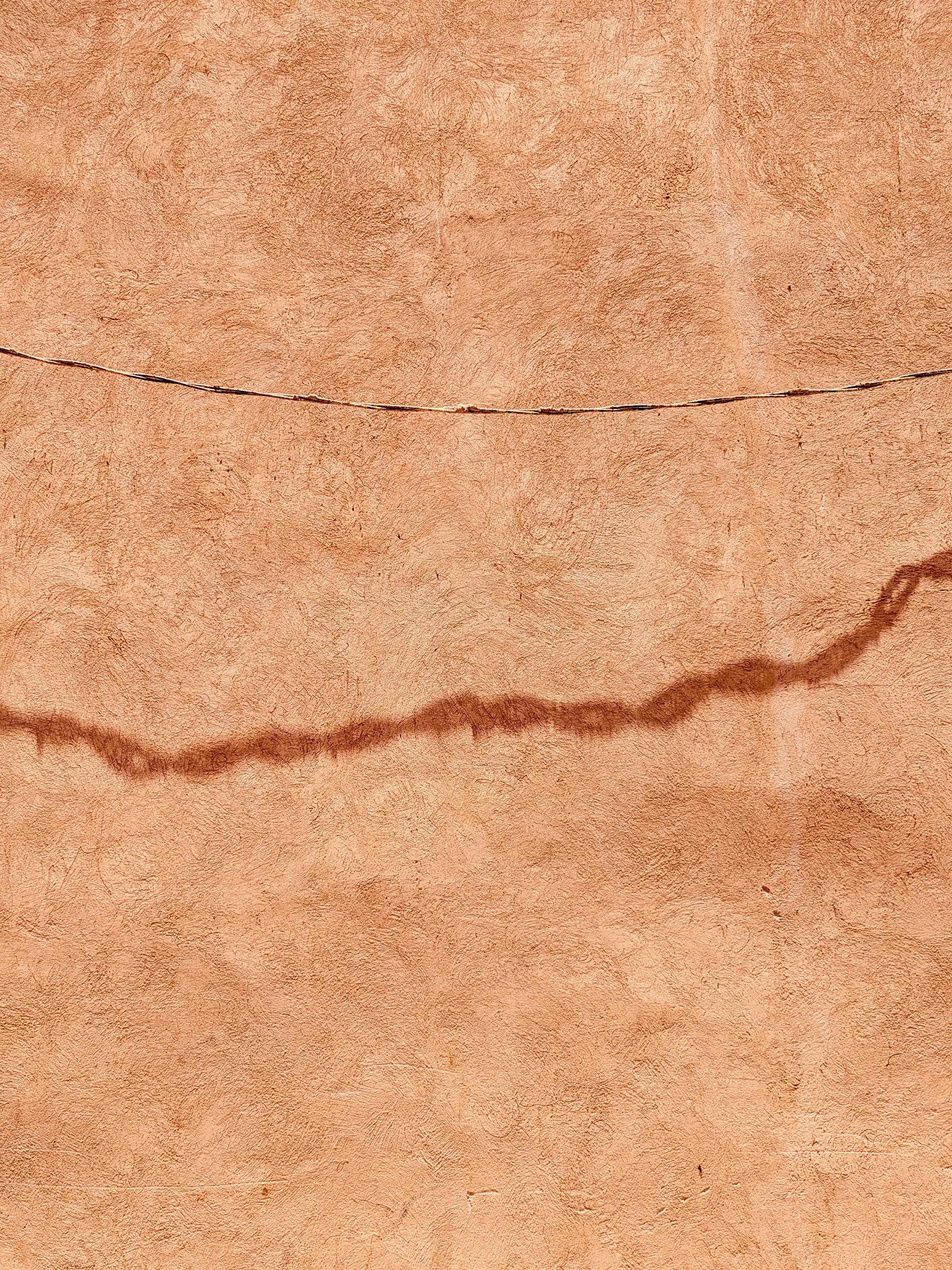
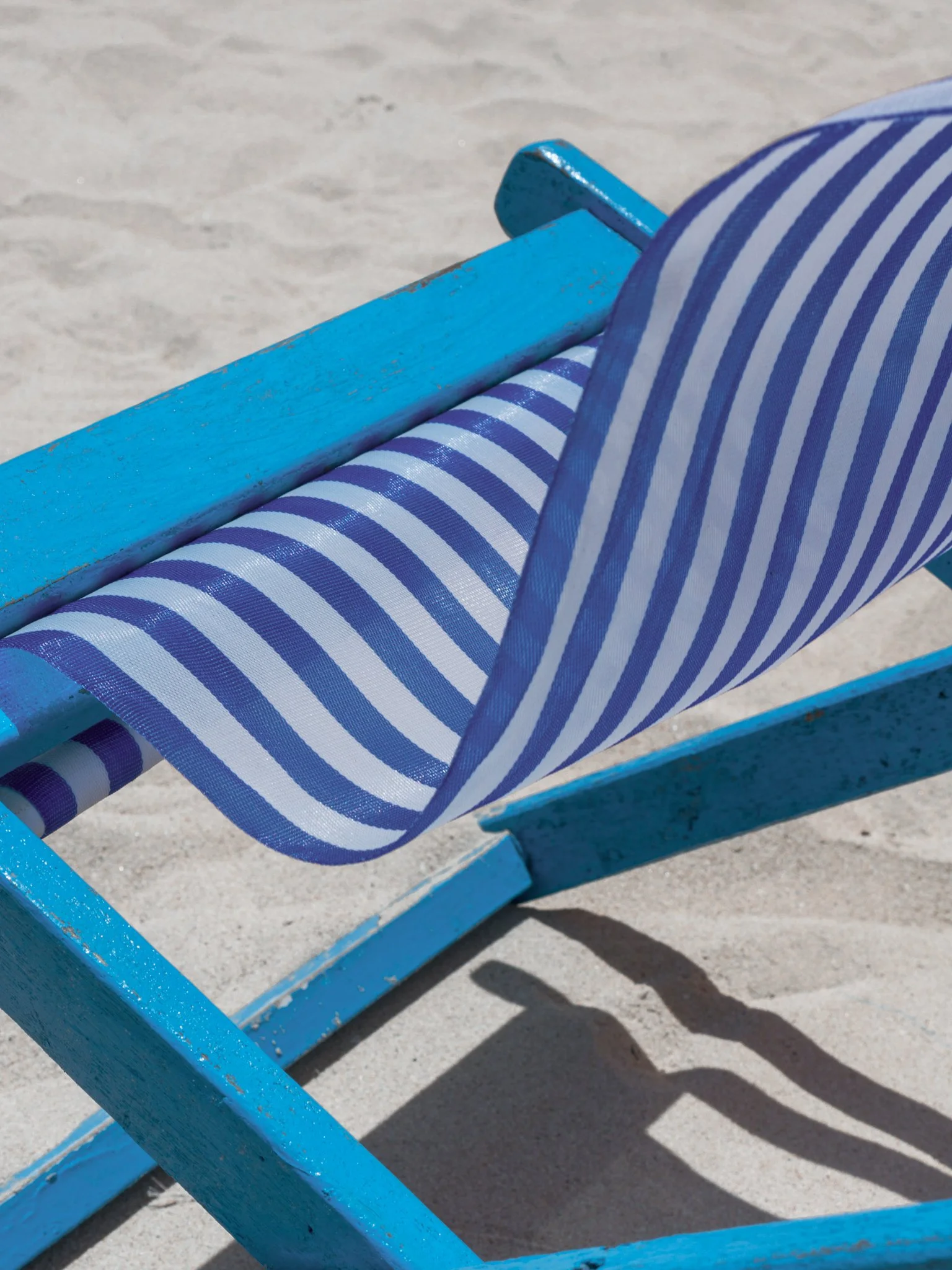
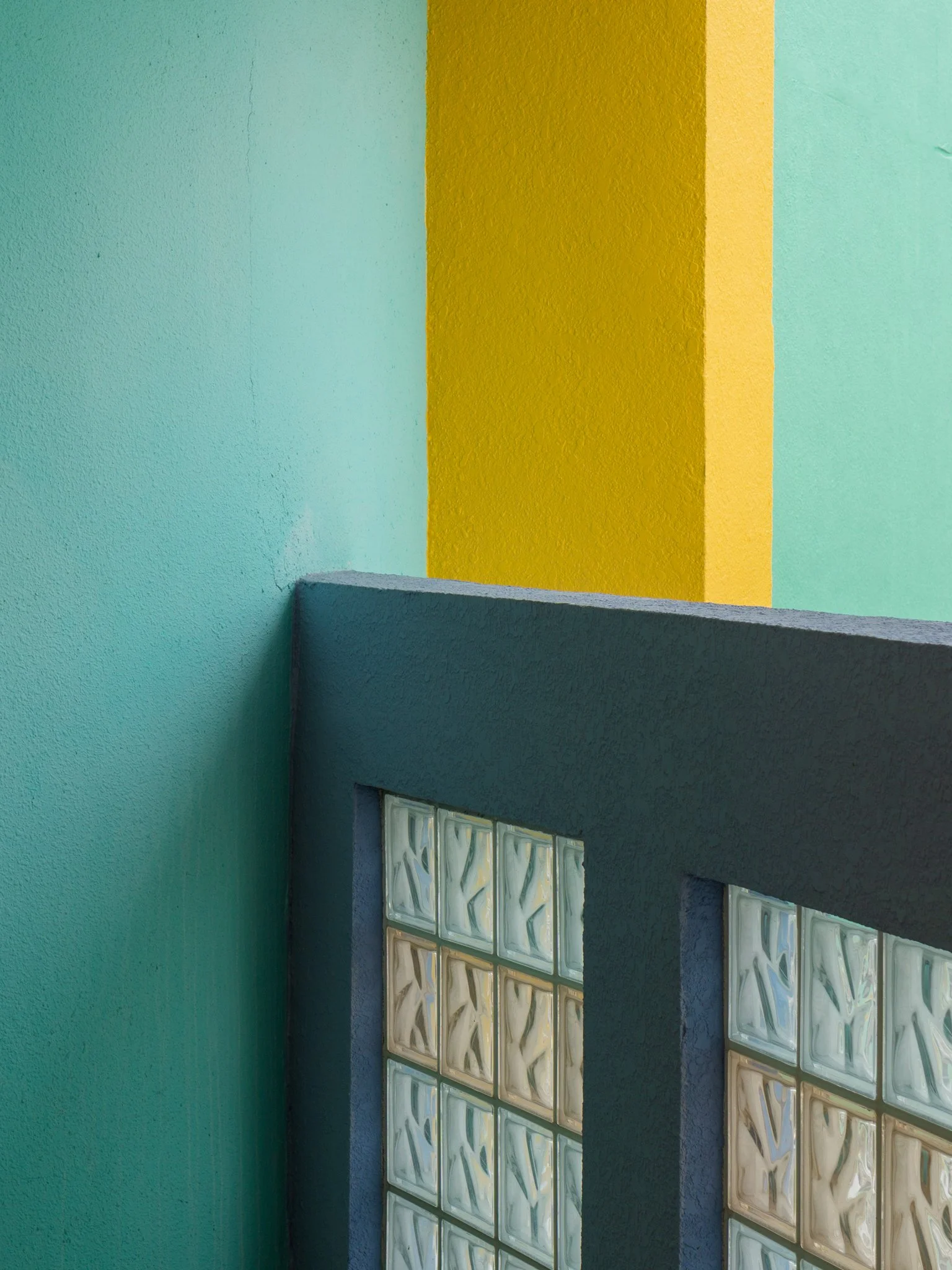
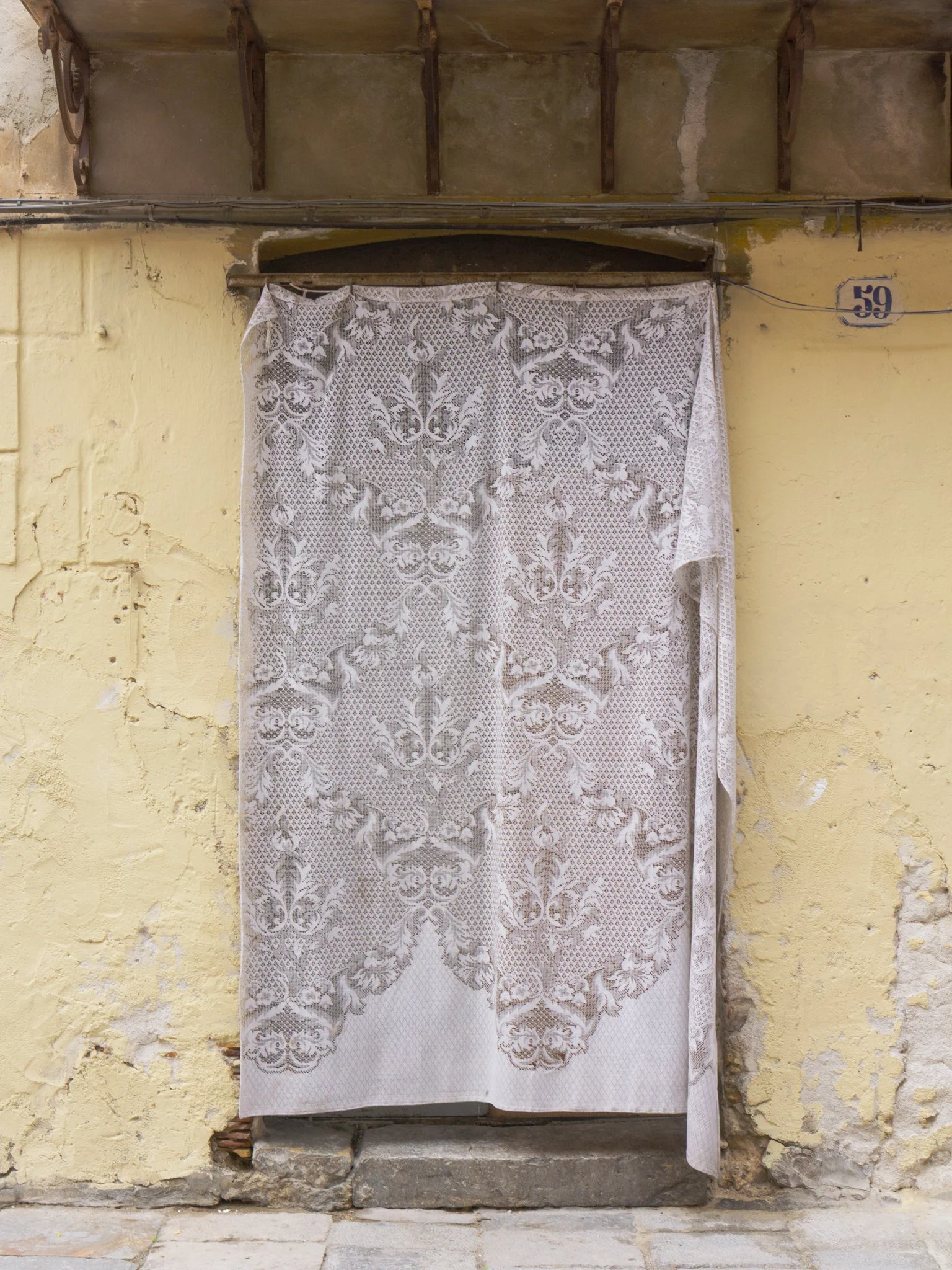
Across the series, framing, repetition and the compression of space shift ordinary surroundings towards abstraction without removing them from the world. A café becomes a field of colour, a housing estate an arrangement of planes, while an empty walkway reveals a system of lines, surfaces and divisions once movement disappears. Nothing within the scene is fundamentally transformed. Instead, photography becomes a way of reorganising attention, allowing what is already present to be encountered differently.
In this sense, Intervals sits between conceptual and post documentary photography. The images begin with unconstructed encounters in everyday life, but their purpose is not primarily to describe or provide evidence of a particular place. Instead, the environment becomes a means of considering perception, presence and our relationship with the spaces we inhabit. The project asks how much of our understanding of a place is determined by its function, and what becomes perceptible when that function is interrupted.
The work sits within a photographic lineage concerned with the visual and psychological possibilities of the ordinary. Stephen Shore demonstrated how apparently uneventful environments could sustain close photographic attention, while Luigi Ghirri examined the relationship between representation, perception and the everyday world. Uta Barth is particularly important to the project through her attention to peripheral vision, light and the spaces that conventional photography might treat as secondary. Rather than searching for exceptional subjects, these practices suggest that photography can make the conditions of seeing itself part of the subject.
Solitude is also central to Intervals, but not as a synonym for loneliness or absence. Instead, it becomes a mode of attention, a way of dwelling within an environment rather than simply passing through it. Empty spaces retain the suggestion of activity before or after the photograph, allowing presence and absence to coexist within the same frame.
Photography therefore becomes less a tool for description than a means of dwelling. The images resist resolution and hold their subjects in a temporary state of suspension, asking how perception changes when movement slows, familiar functions fall away and attention is allowed to remain.
The first body of work was completed in 2025 and developed into Intervals: Volume One, a hardback photographic publication with an accompanying essay. The book extends the project through sequencing, rhythm and duration, allowing relationships between images to unfold over time rather than being encountered as isolated photographs.