



THE VISIBLE UNKNOWN
The Visible Unknown is an ongoing photographic project examining the instability of perception and the uncertain relationship between seeing and knowing. The work is rooted in my lived experience of keratoconus, which shapes my experience of brightness, depth and form, and derealisation, through which the familiar world can remain visually recognisable while feeling distant, artificial or somehow displaced. Neither experience is treated as a subject to be illustrated. Instead, they provide the perceptual and conceptual ground from which the project asks what happens when seeing no longer guarantees certainty.
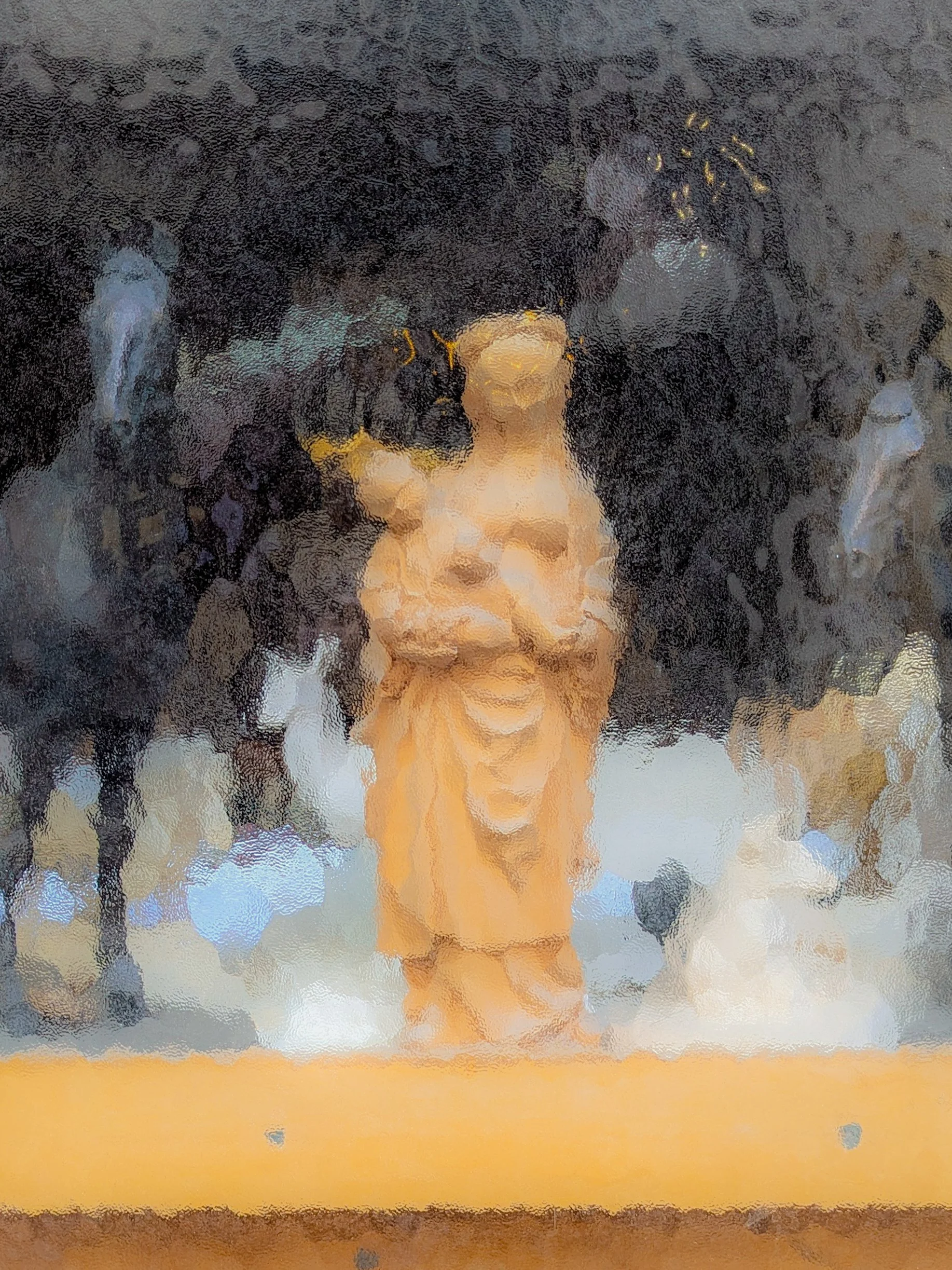
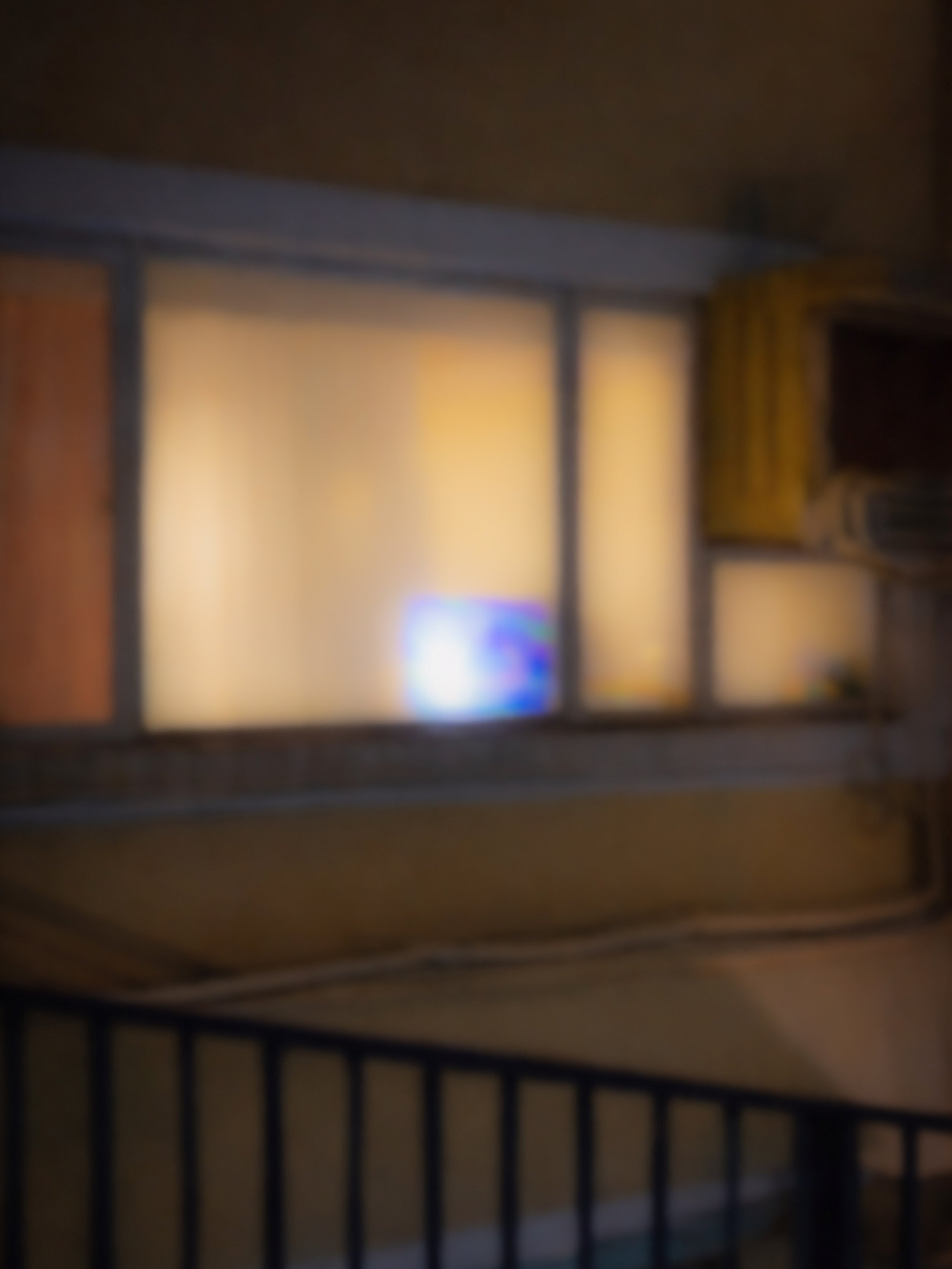
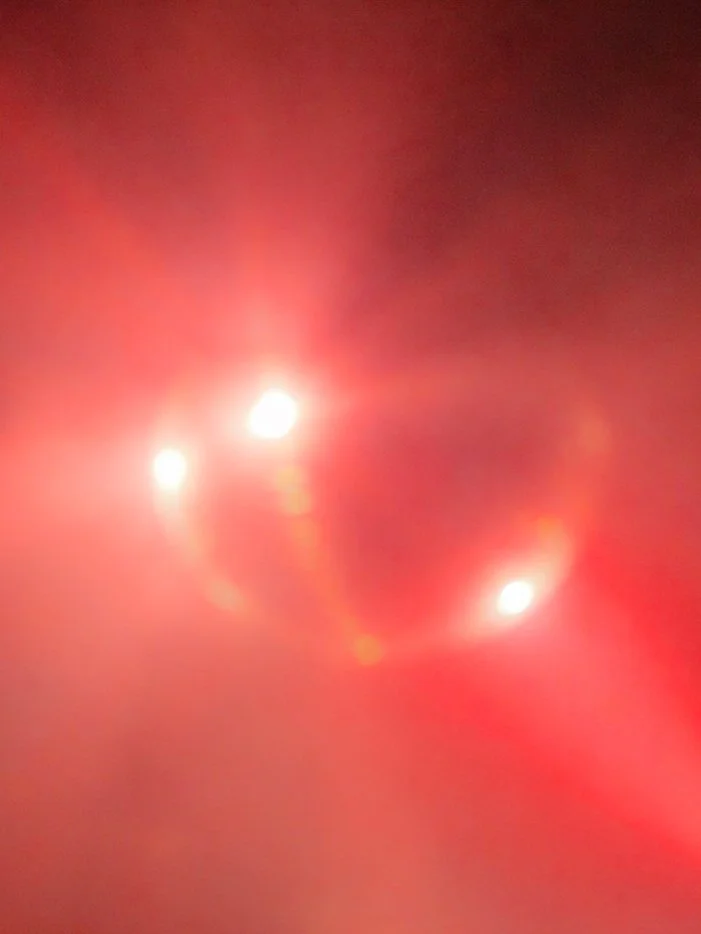
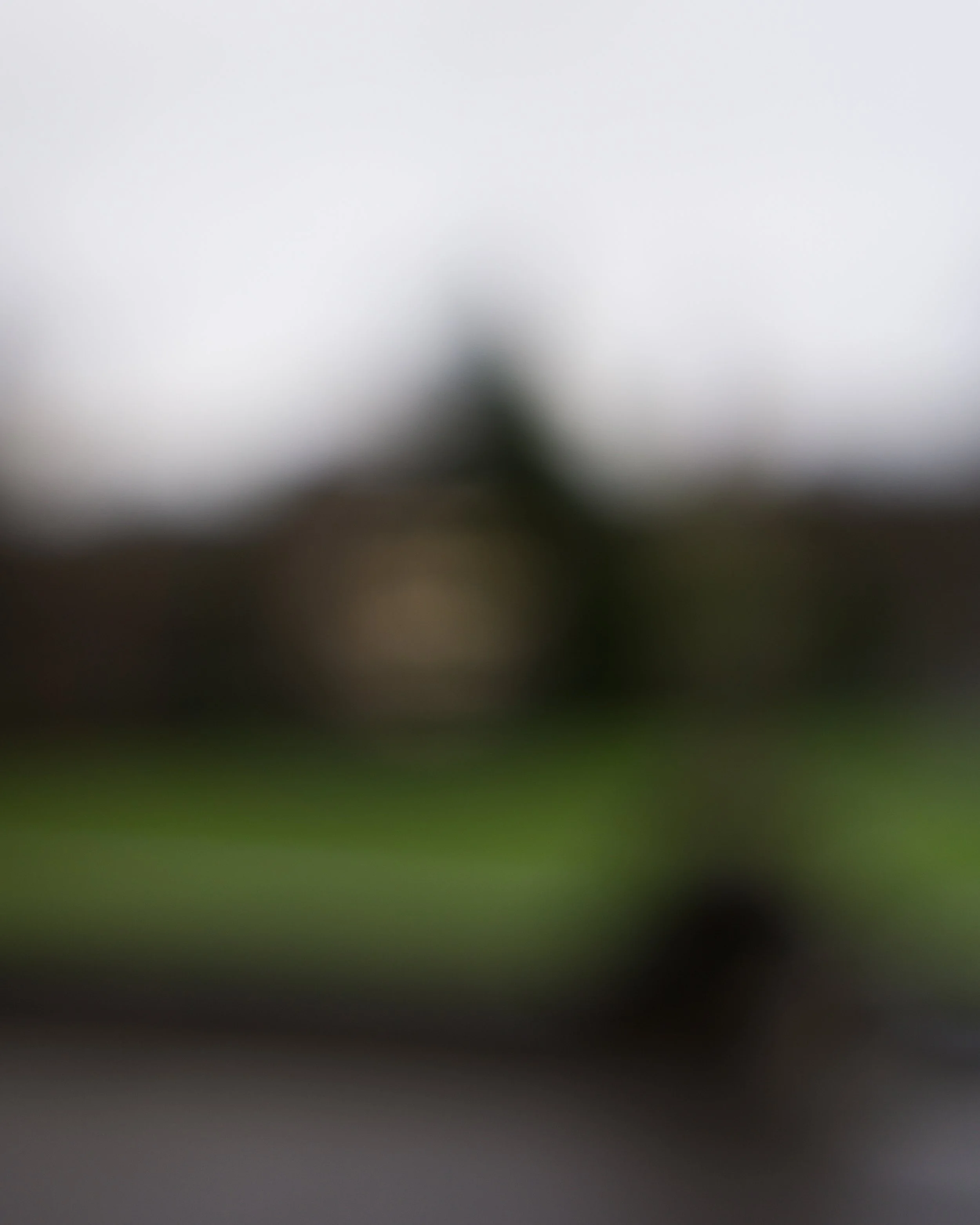
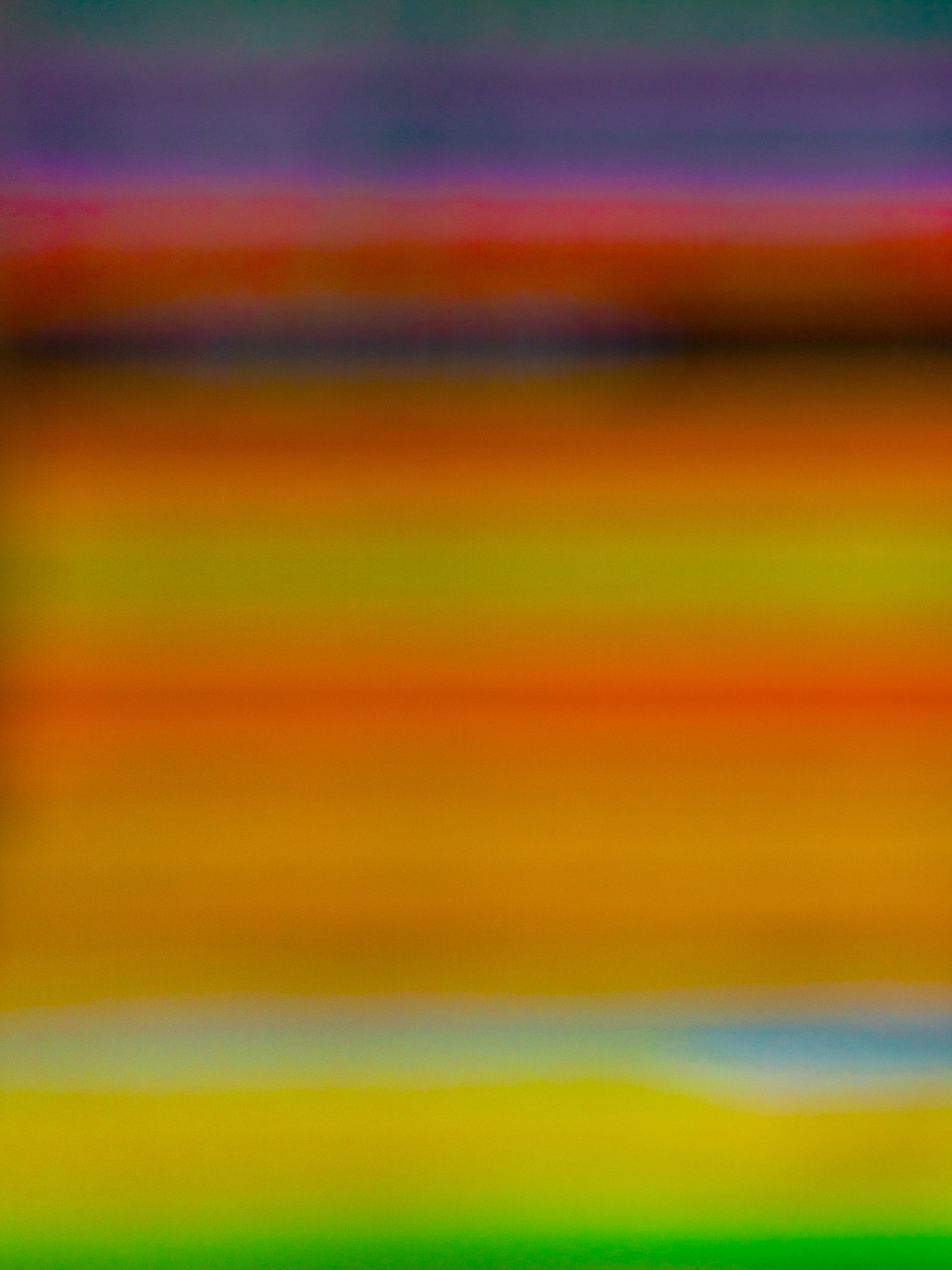
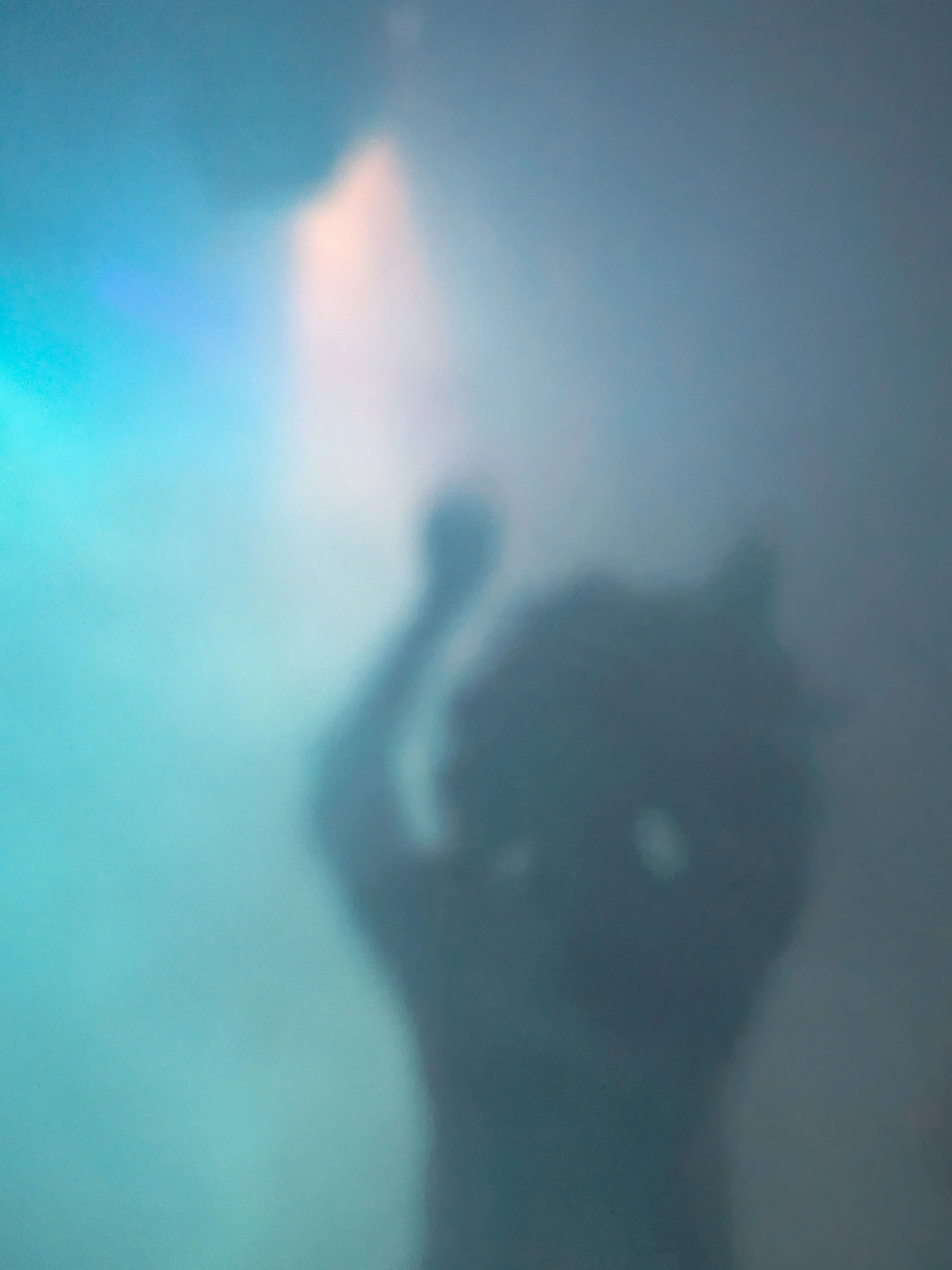
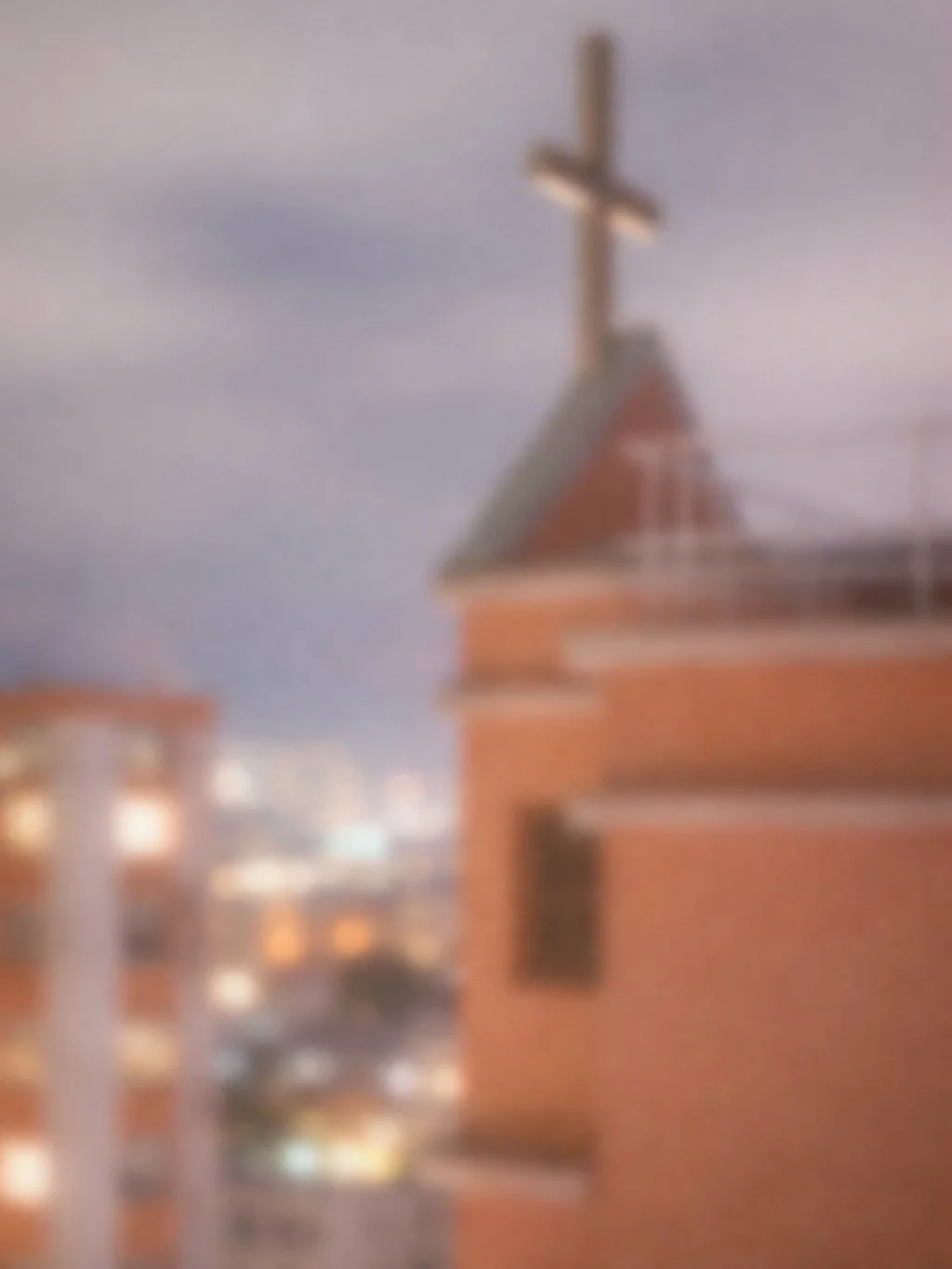
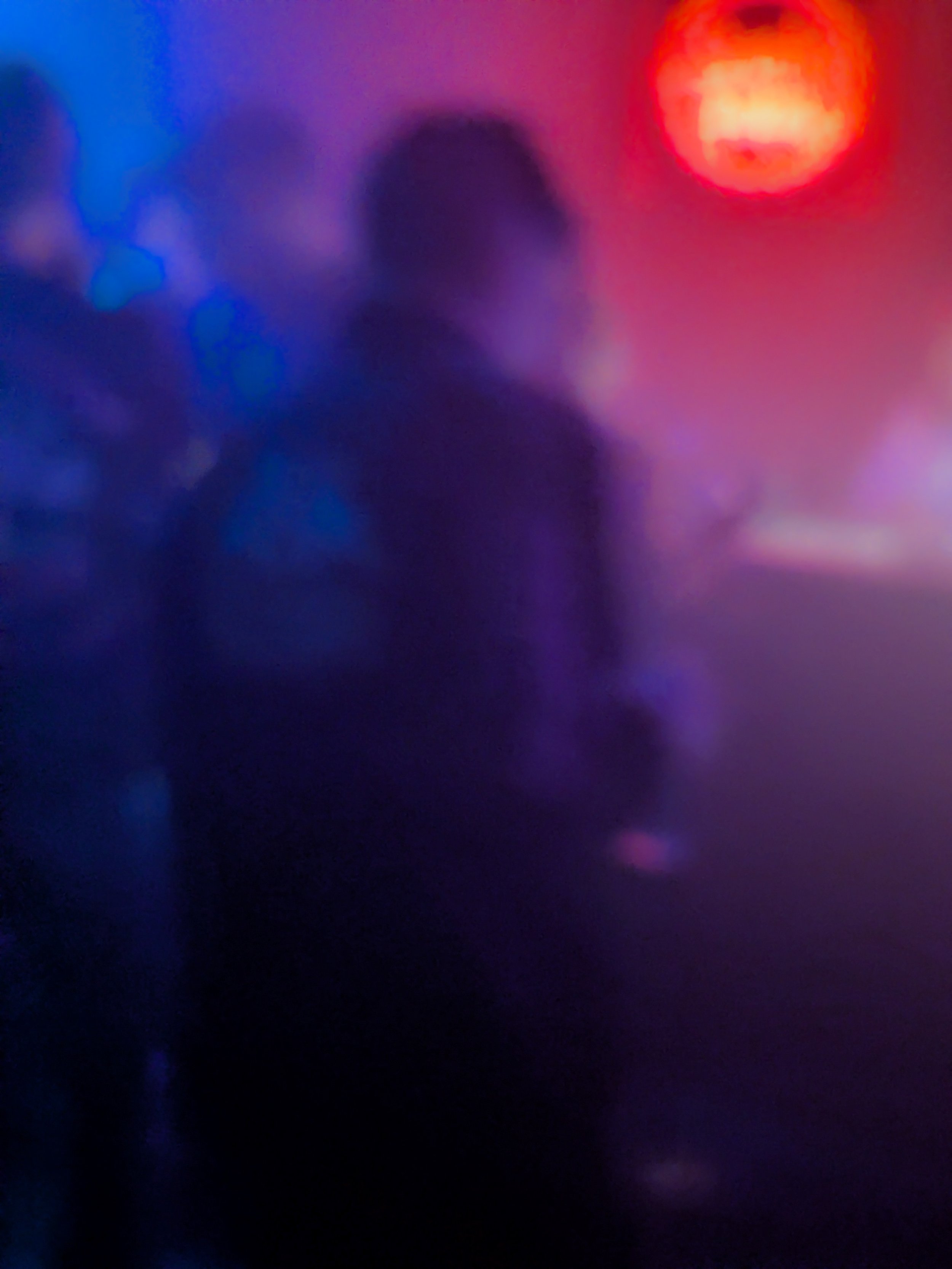
The project begins with deliberate in camera defocus as its initial photographic method. By removing much of the detail through which a photograph would ordinarily establish its subject, colour, light, gesture, silhouette and spatial relationships are left to carry the image. Defocus functions not as an aesthetic effect or an attempt to reproduce my eyesight, but as a method of enquiry: by withholding visual information, the photographs create a space between what can be recognised, what can be sensed and what the viewer begins to project.
This use of defocus is a starting point rather than a fixed visual language. As the project develops, I am interested in testing further photographic strategies in response to research into visual perception, psychology and the ways photographic images shape our understanding of reality. The project therefore remains deliberately open in its methodology. Different processes may produce different kinds of perceptual instability, allowing the work to ask not only what we see, but how particular photographic conditions influence what we believe we are seeing.
The project begins from an understanding of human perception as active and embodied rather than neutral. What we see is continually shaped by the body, memory, expectation, emotion and psychological state. A place can remain physically unchanged while our experience of it alters completely. This tension is fundamental to the work. How much of what we understand as reality belongs to the external world, and how much is produced through our perception of it? What happens when recognition remains possible but certainty begins to fail?
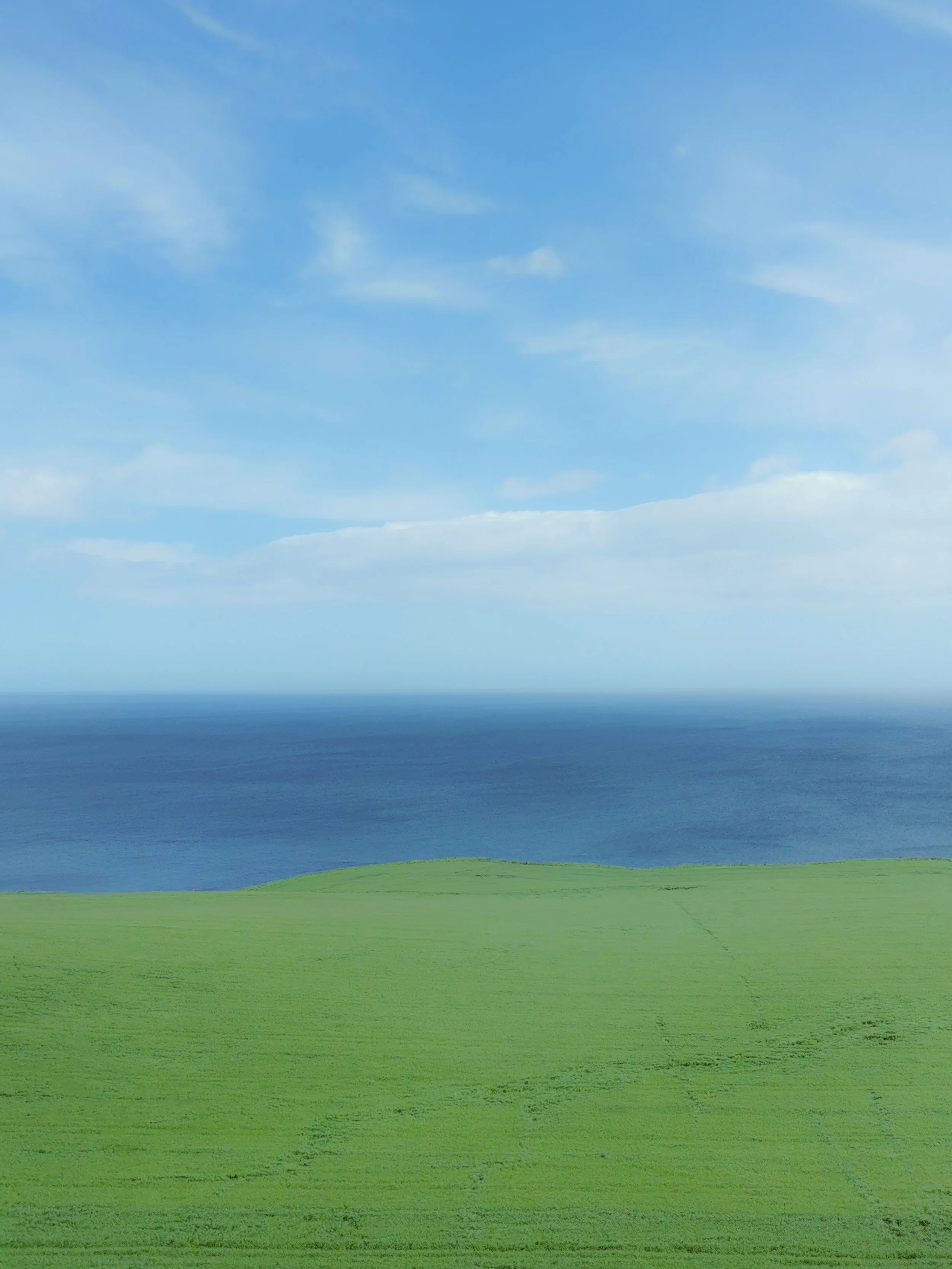
Across the series, these questions move through interconnected territories of belief and symbolism, identity and belonging, everyday performance, emotional states, landscape and place, and mediation and simulation. A religious symbol, passing figure, landscape, screen or ordinary object can each become a site of projection or uncertainty. Familiar forms remain present but resist resolution: figures become partial, environments appear staged, objects take on the quality of signs, and everyday scenes hover between observation and something closer to memory, dream or simulation.
Within contemporary photography, The Visible Unknown sits within a conceptual tradition that questions the idea of the photograph as transparent evidence of an external reality. Uta Barth’s investigations into the act of looking and the differences between human and photographic vision are an important reference, particularly her use of blur to destabilise the expectation that a photograph should provide a clearly identifiable subject. Bill Jacobson’s defocused photographs similarly demonstrate how the removal of detail can move an image towards an interior or psychological register, while Francesca Woodman provides a relevant point of reference where the body becomes fragmented, transient or difficult to separate from its surroundings.
The project emerges, however, from an explicitly lived position. Keratoconus has shaped my relationship with visual clarity, while derealisation has shaped my understanding of the distance that can emerge between the self and the surrounding world. Together, these experiences have led me to question the assumed relationship between clarity, recognition and truth. The photographs do not attempt to show what either experience “looks like”. Instead, they use perceptual distance and unstable recognition to approach something of their emotional and psychological logic.
This also raises questions about photography itself. The medium has historically carried strong associations with evidence, description and the fixing of visible appearances. The Visible Unknown deliberately frustrates those expectations. If perception is already subjective and embodied, can photographic clarity ever be equated straightforwardly with truth? What kind of knowledge might an image offer when information is reduced and feeling begins to precede identification? And how might different photographic processes expose different forms of uncertainty within the act of looking?
Rather than resolving these questions, the photographs remain suspended between recognition and estrangement. The Visible Unknown uses uncertainty not as an absence of information, but as a space in which perception becomes visible as an active process. At its core, the project asks how we construct a sense of reality from what we see, how photography participates in that construction, and what happens when the familiar world remains visible but can no longer be taken entirely for granted.
-
Although keratoconus informs the origins of The Visible Unknown, the photographs do not attempt to reproduce my eyesight. My everyday vision may involve distortion and shifting clarity, but it remains anchored in a recognisable world. The images deliberately move beyond that threshold.
The current use of defocus operates as a conceptual translation rather than a clinical representation. By withholding more visual information than the eye would ordinarily lose, the photographs create space for the instability, vulnerability and perceptual distance that underpin the wider project. Defocus is therefore the project’s starting point rather than its final visual language, with further photographic approaches developing in response to ongoing research into perception and photographic representation.
The work is less concerned with reproducing the mechanics of sight than with the uncertain relationship between perception and reality, and with what becomes possible when photography relinquishes the expectation of complete visual certainty.