




COURTS
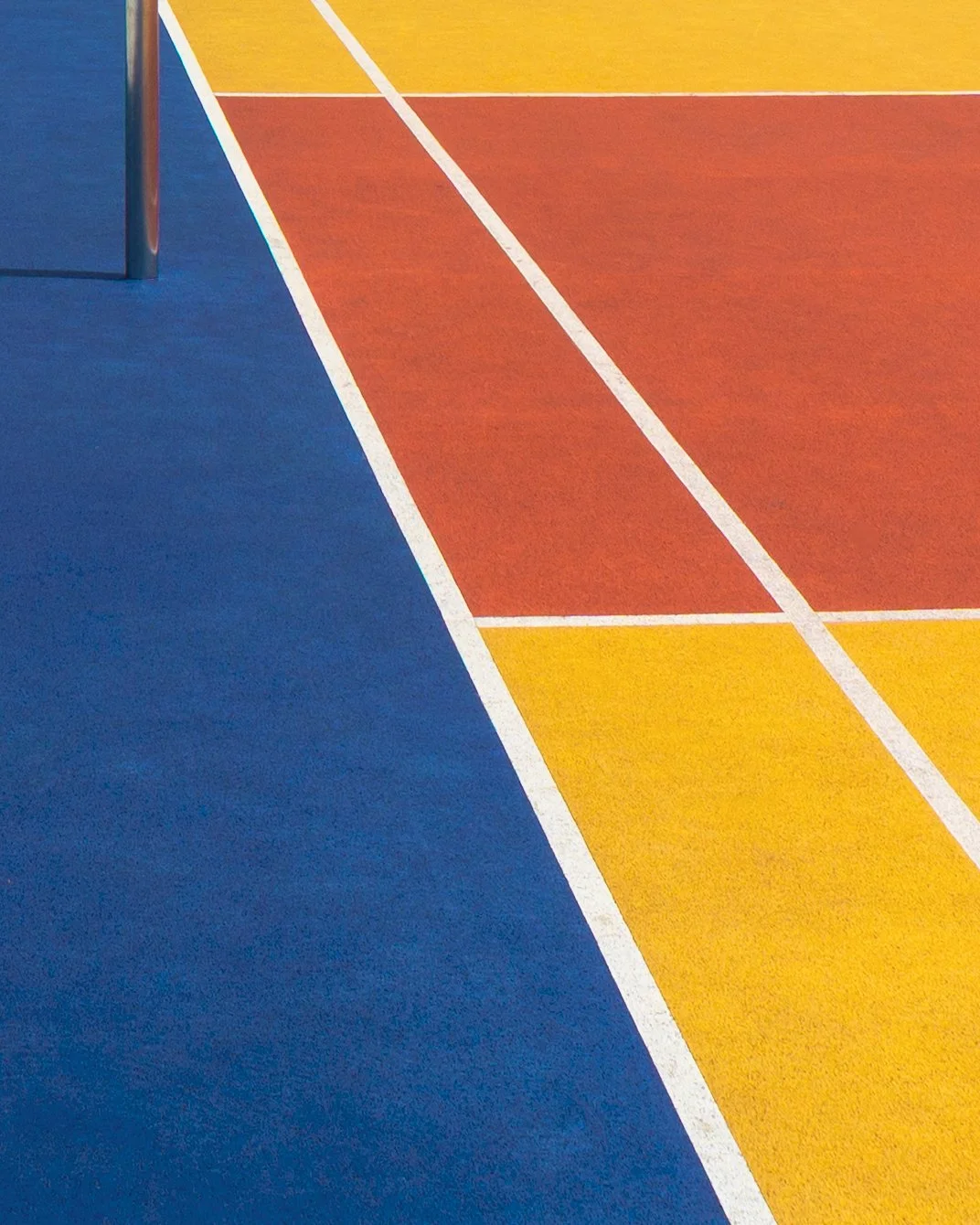
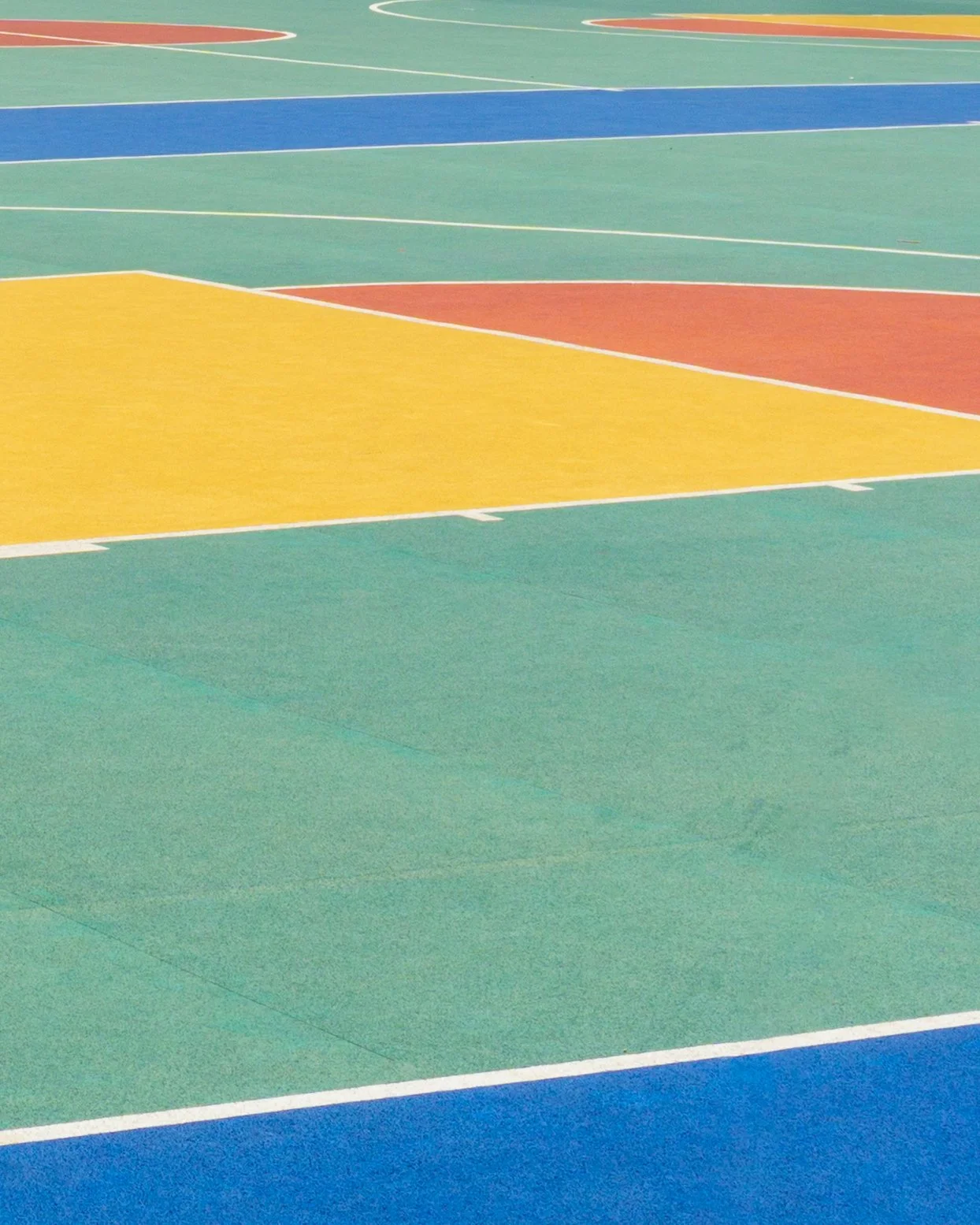
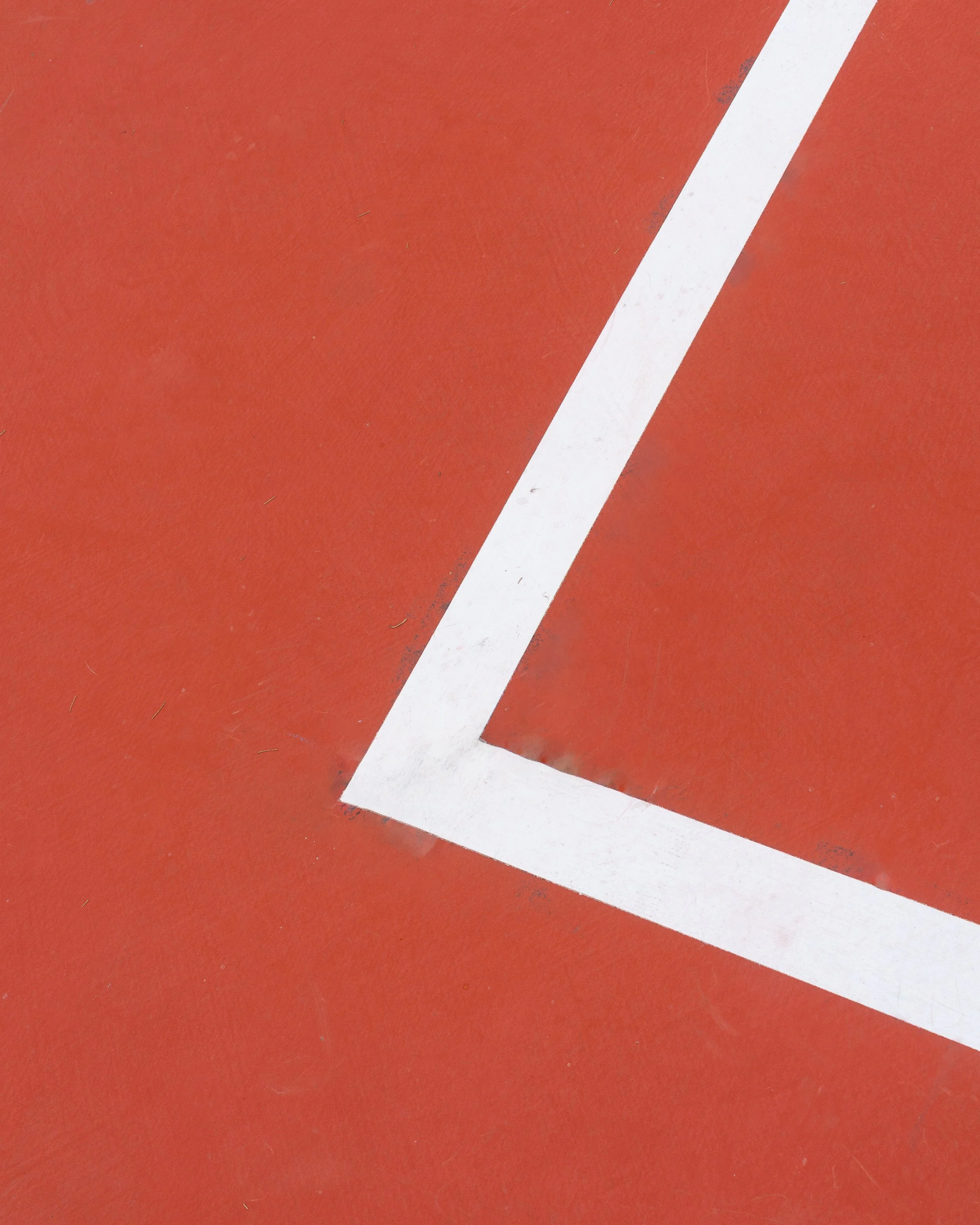
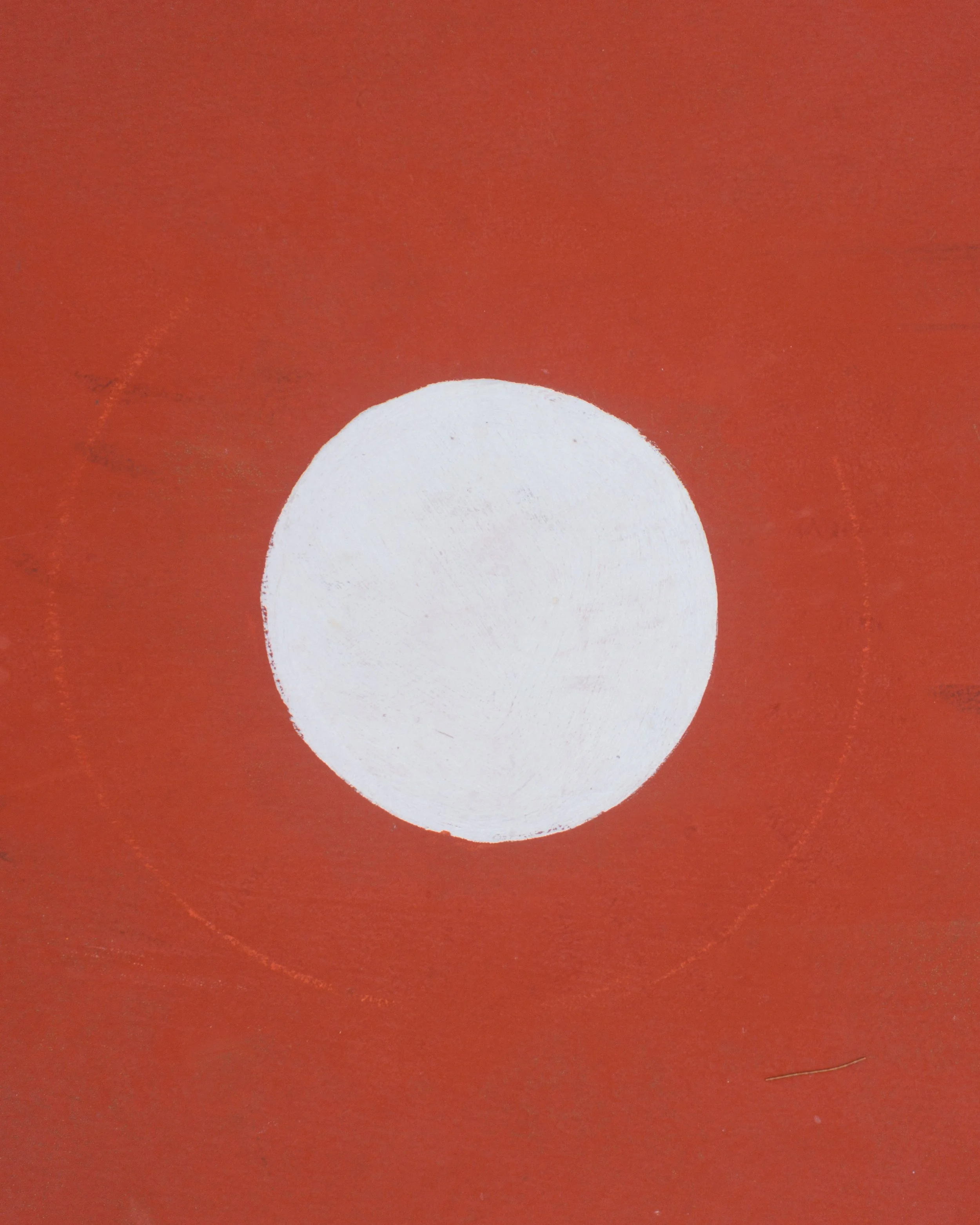
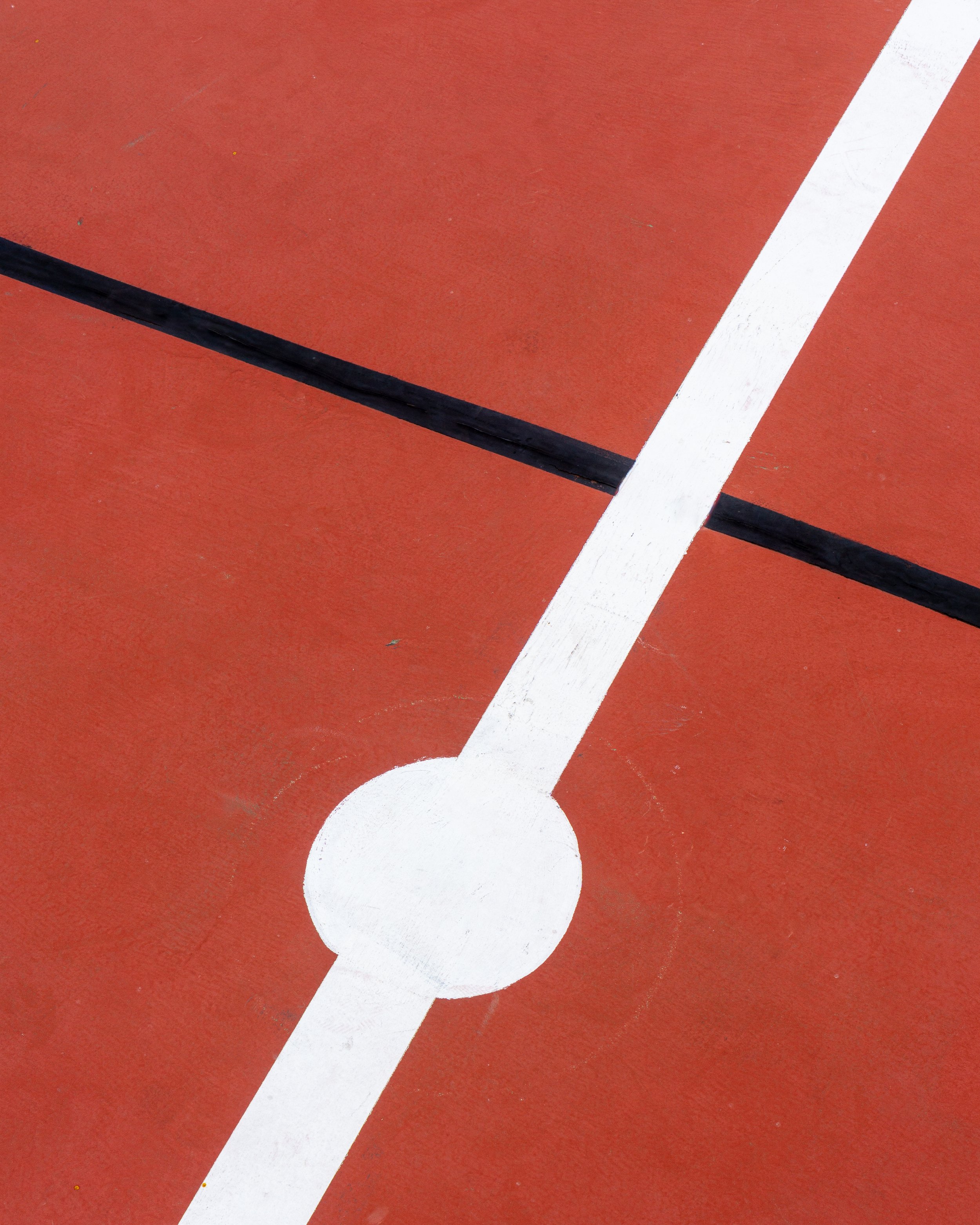
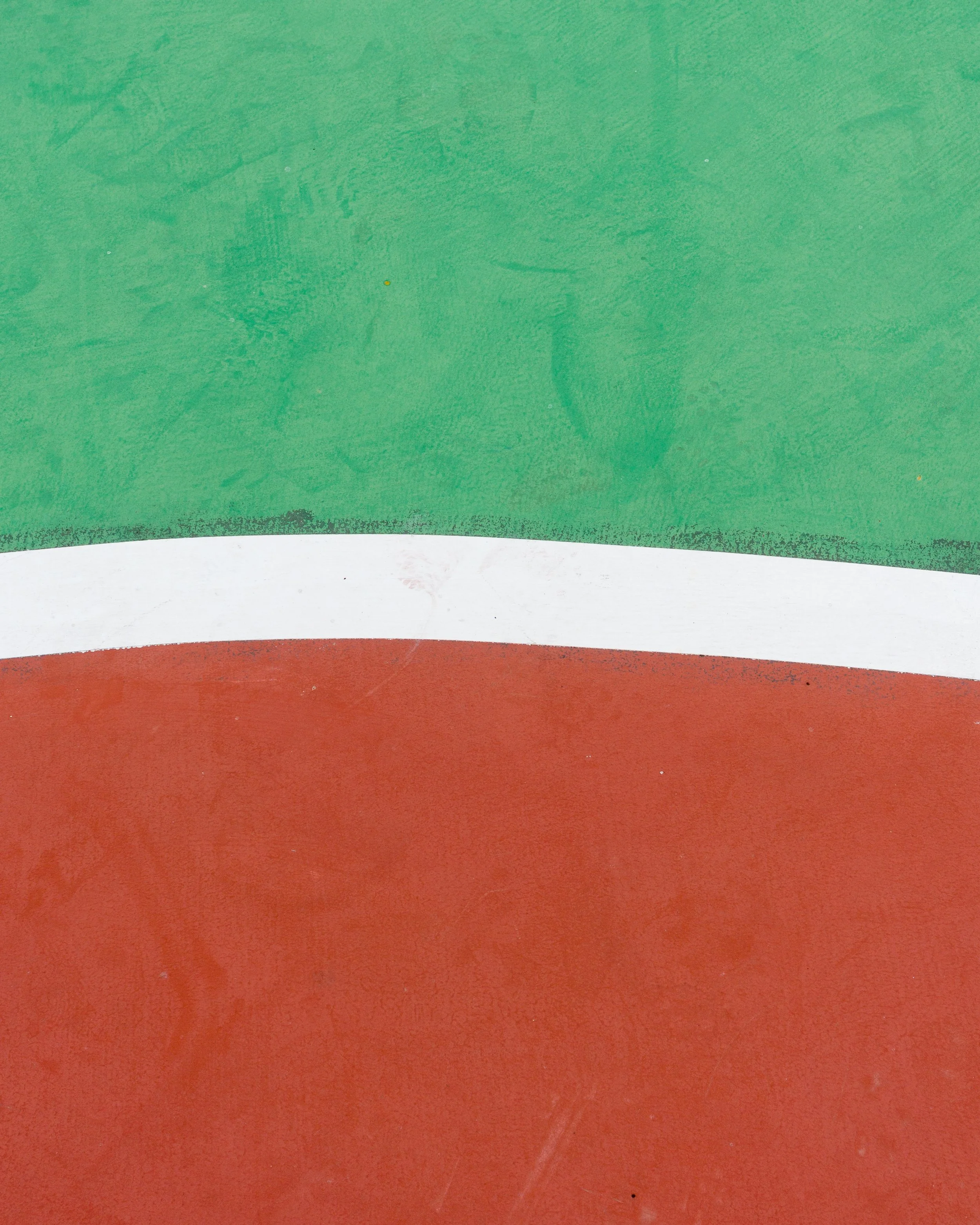
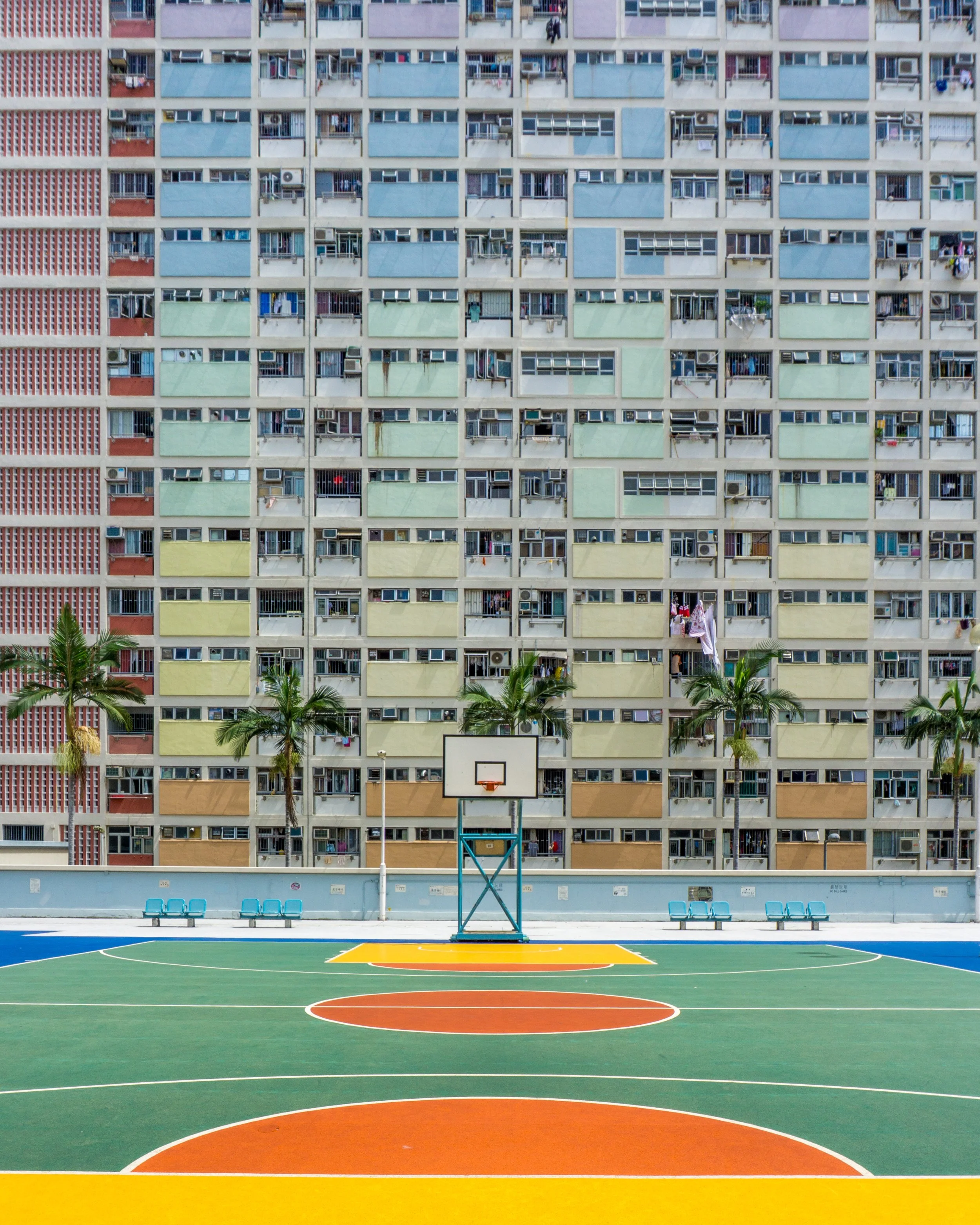
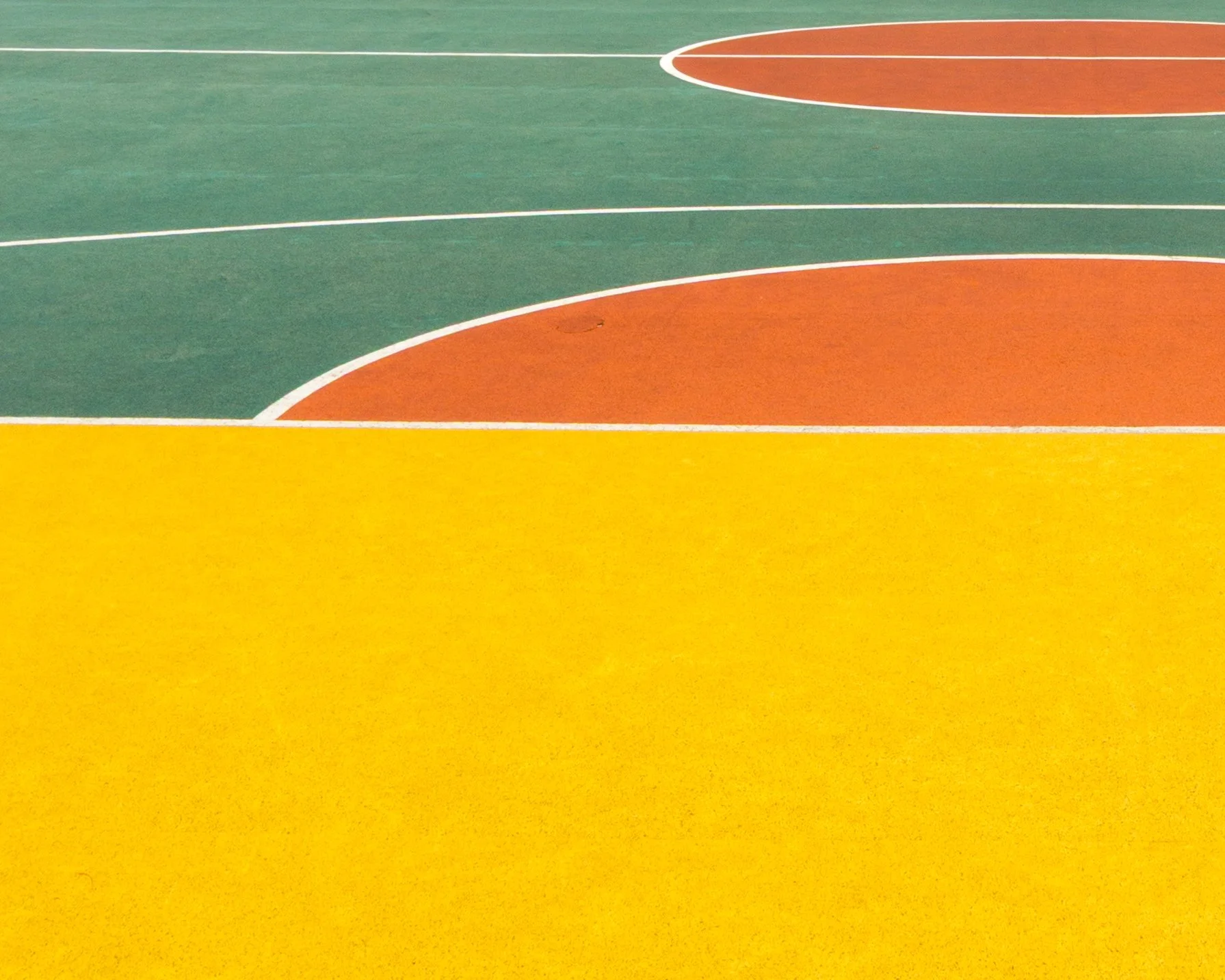
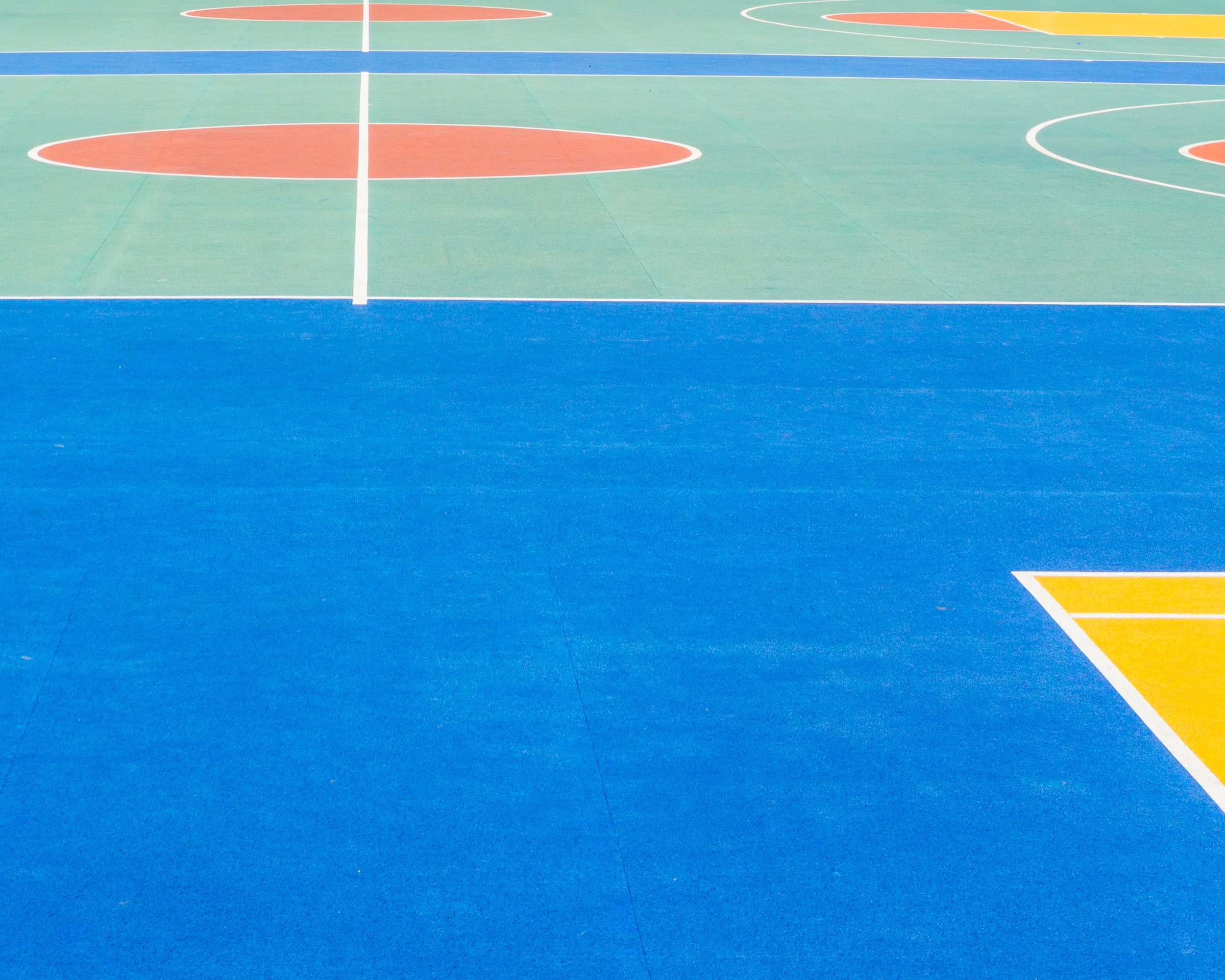
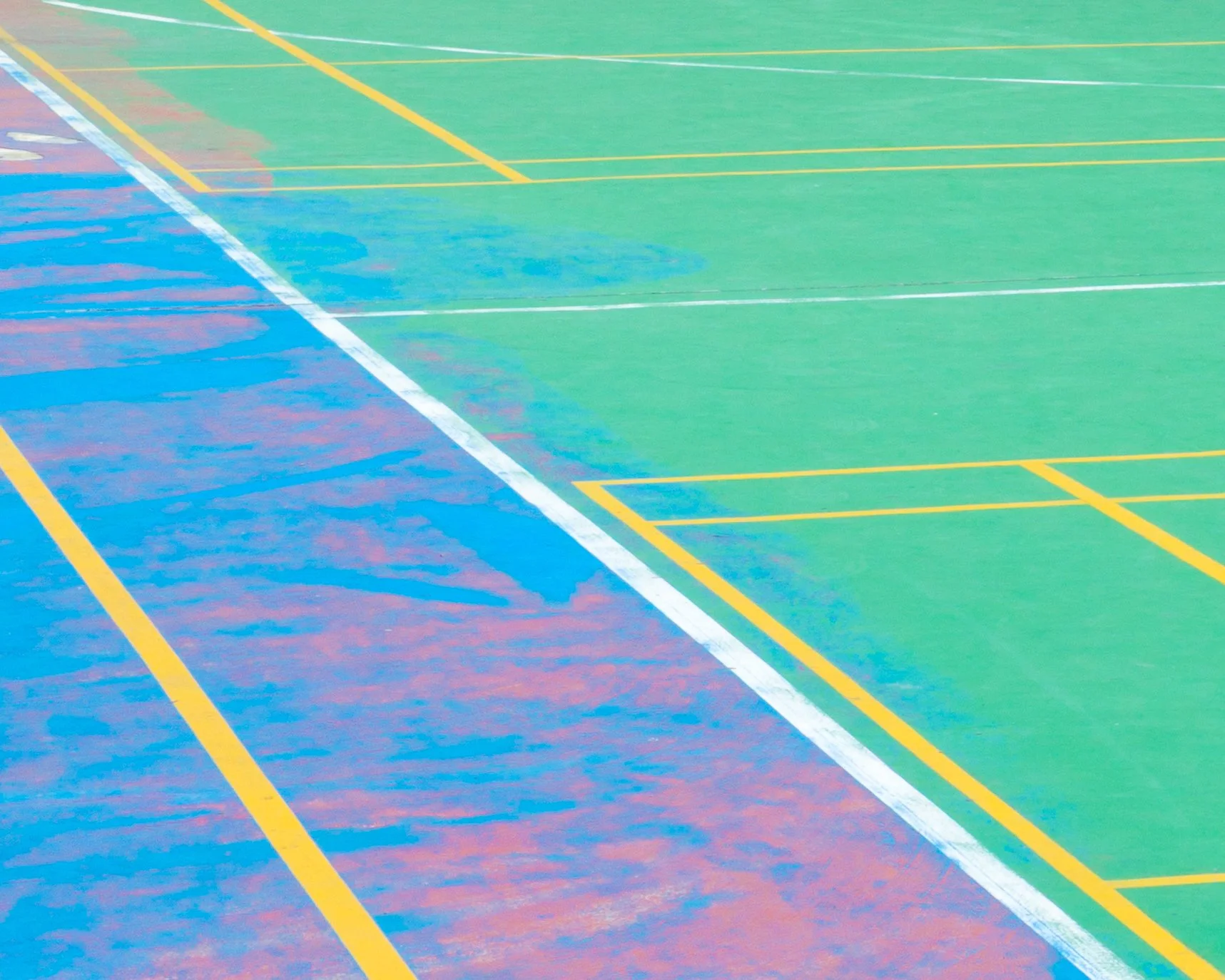
COURTS is a photographic study of public basketball courts across Hong Kong, begun during the years I lived and taught in the city. The courts appeared as a recurring part of the urban landscape: beside schools, between housing towers, on rooftops and within residential estates. What first drew me was not the game itself, but the visual structure of these spaces. Circles, lines and rectangles repeat across painted surfaces, creating compositions in which function begins to move towards abstraction.
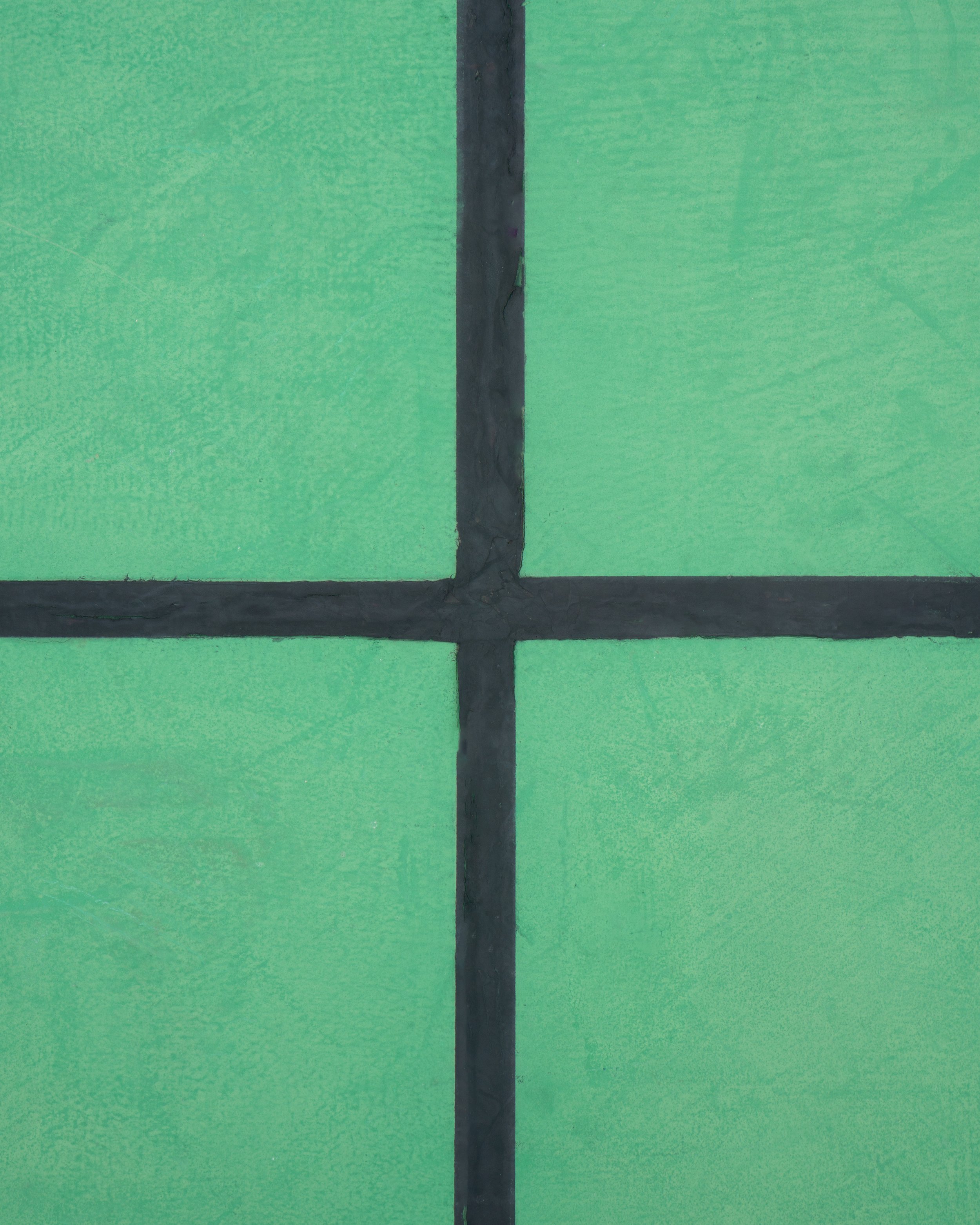
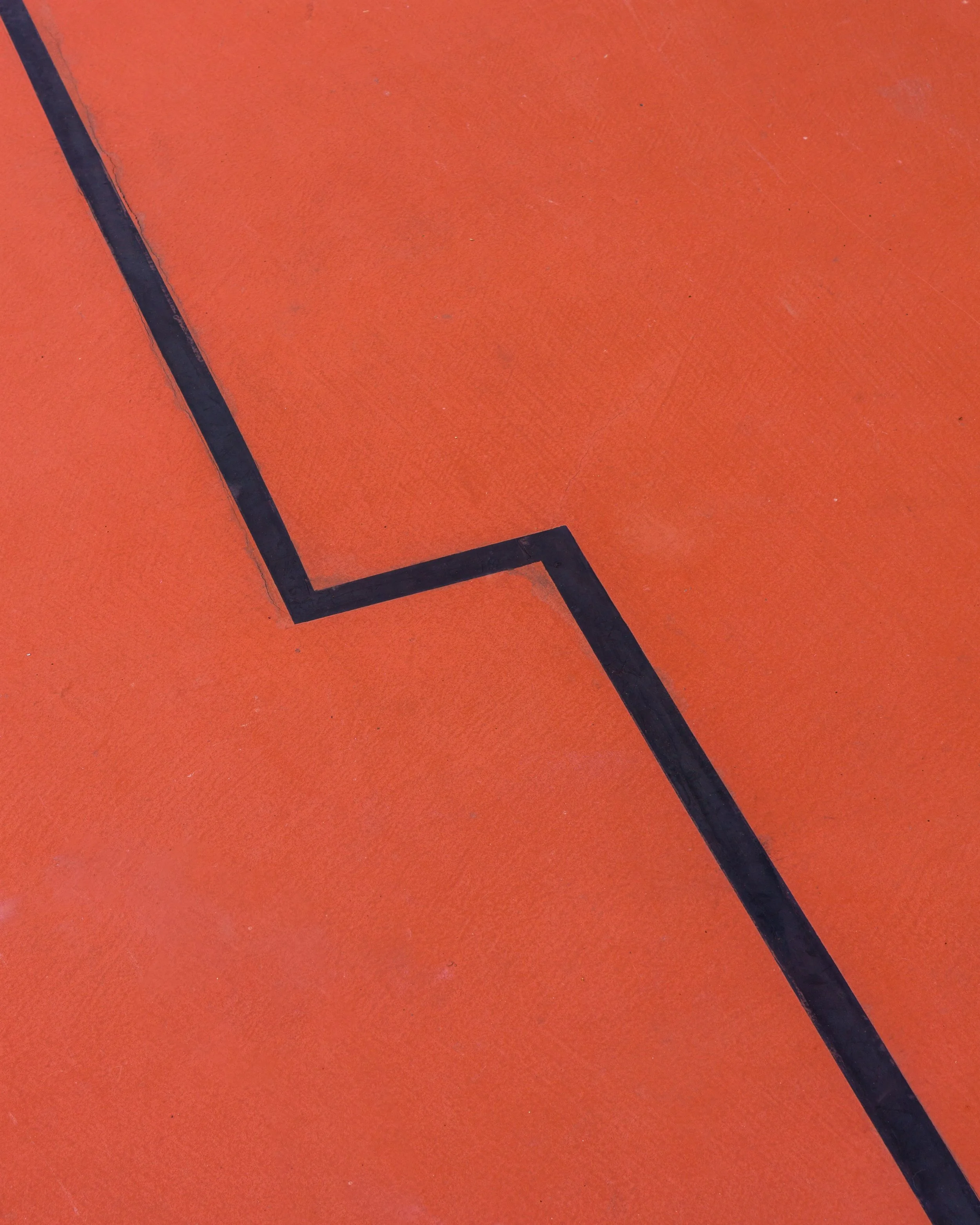
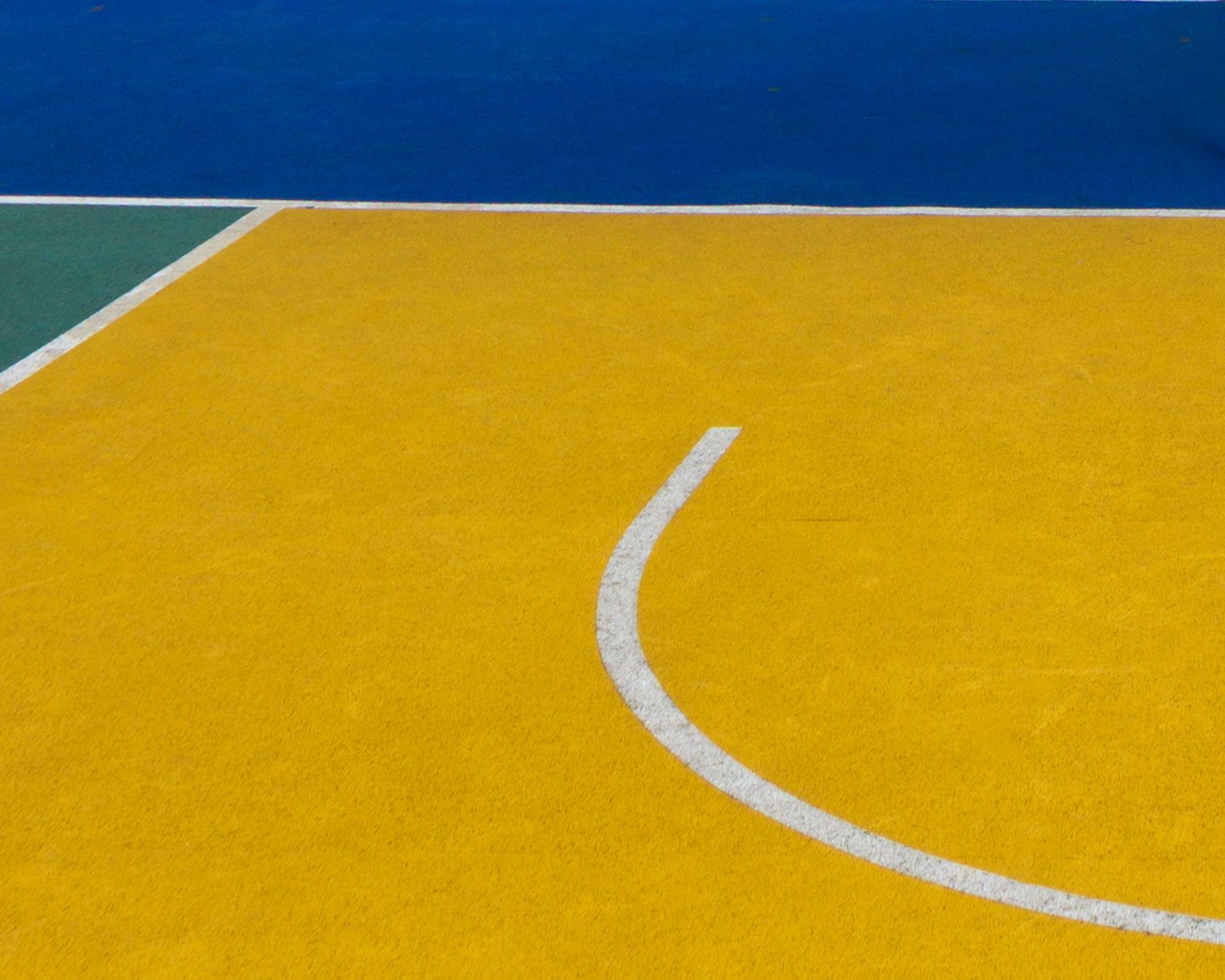
The project looks at the court as both a designed system and a lived public space. Many are embedded within Hong Kong’s dense residential architecture, where recreation, circulation and communal life exist in close proximity. Their markings regulate movement and define the rules of play, yet when isolated through the photographic frame they take on another role, becoming fields of colour, geometry and rhythm.
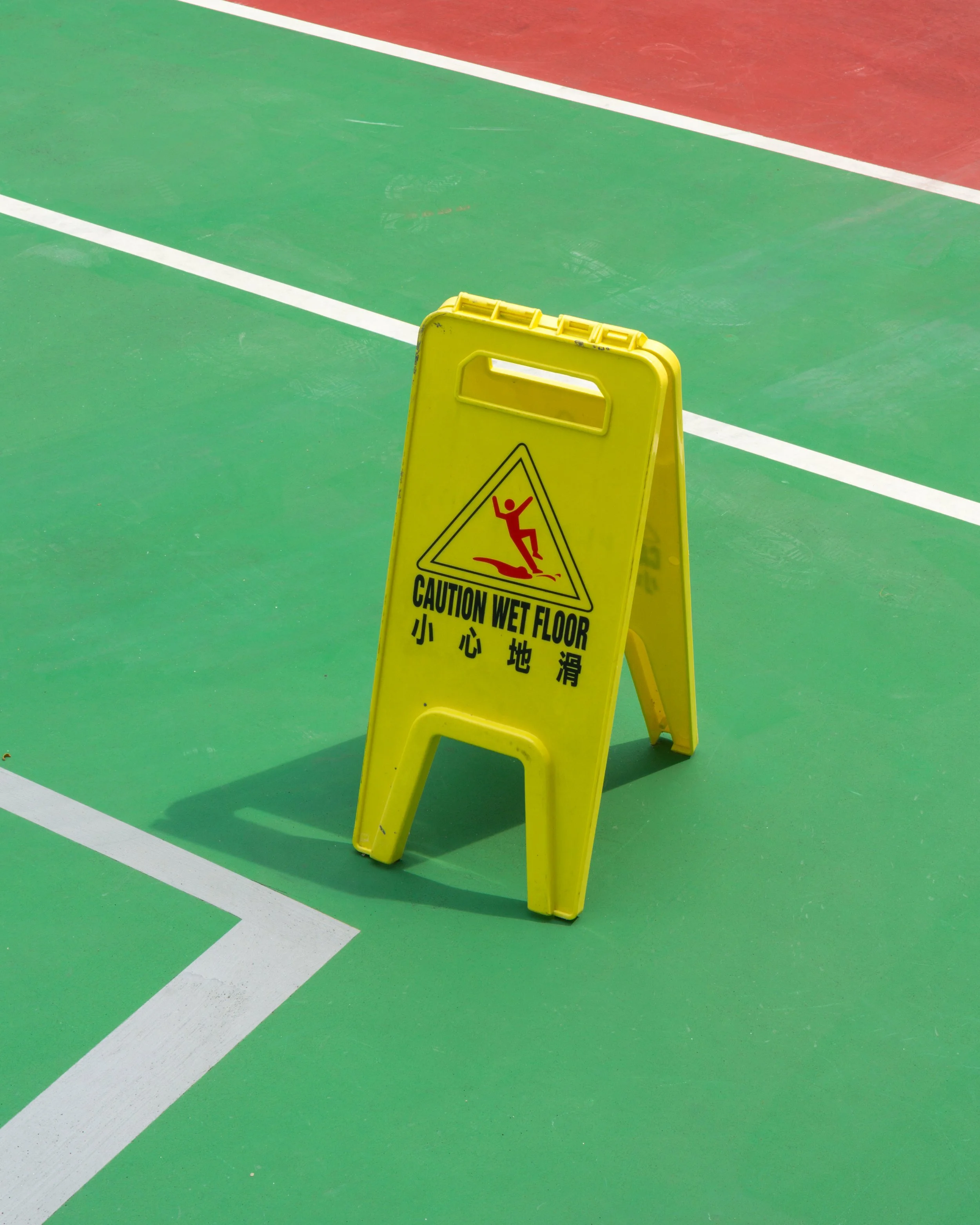
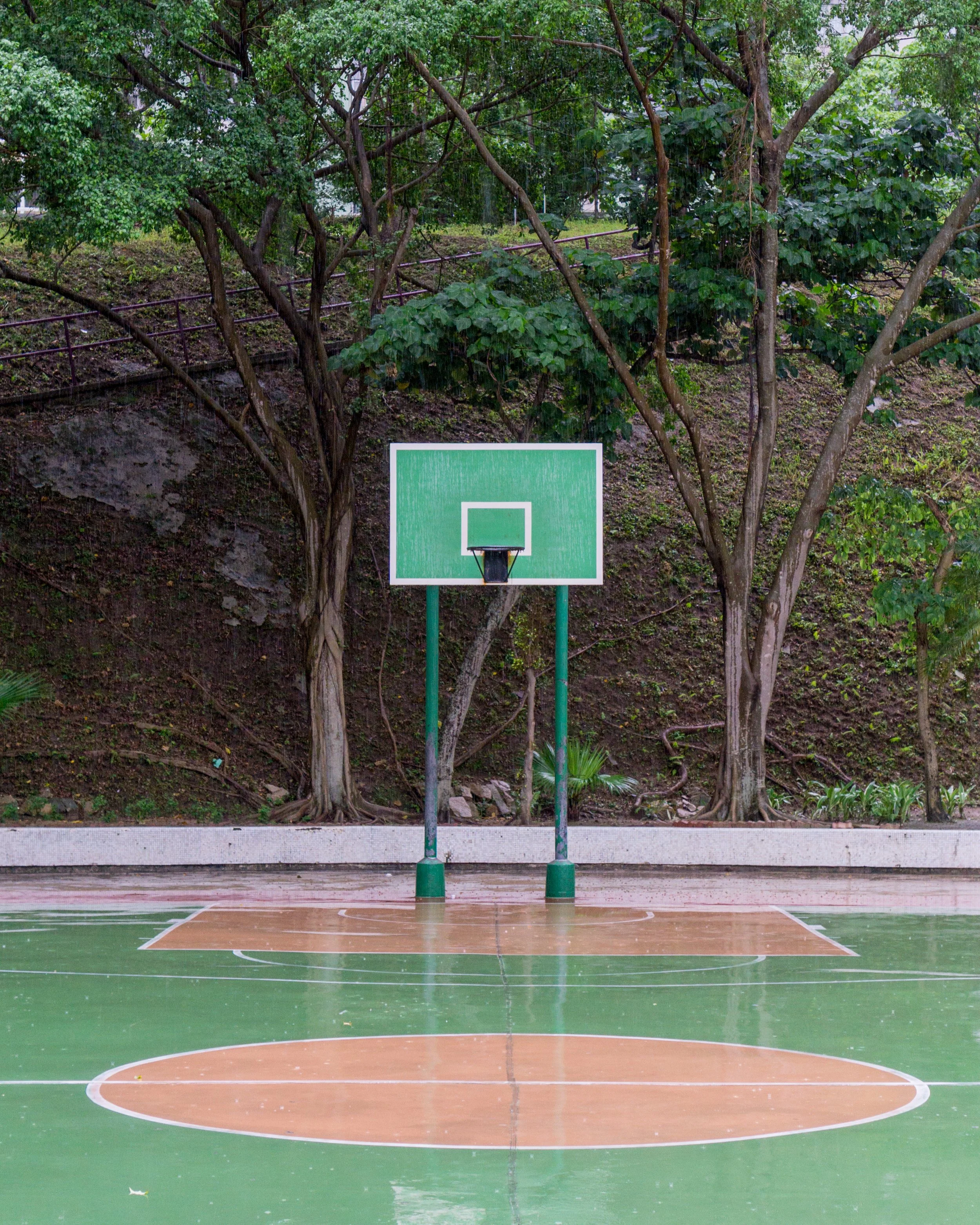
I photographed the courts largely in moments when play had stopped. Without bodies or movement to explain their purpose, scuffed paint, fallen leaves, shadows and worn surfaces become more visible. These traces suggest the activity that has taken place before the photograph while allowing the architecture itself to come forward. The project asks what happens when a functional space is temporarily separated from its intended use, and how photography can shift an everyday environment between document and abstraction.
This tension between recognition and reduction is central to COURTS. The photographs never completely lose their connection to place, yet framing compresses the courts into arrangements of line, plane, colour and surface. A sporting ground can become almost painterly, while a fragment of geometry can still carry the social and architectural conditions of the city in which it exists.
The work sits between conceptual and post documentary photography, drawing from an observational tradition concerned with the visual structures of ordinary environments. Stephen Shore’s attention to the seemingly uneventful built landscape and Luigi Ghirri’s interest in colour, framing and the transformation of everyday space provide useful points of reference. The series also connects to photographic approaches in which repetition and typology allow individual places to be read both separately and as part of a larger system.
At its centre, COURTS considers how design shapes our experience of public space. What happens when structures created to organise movement are encountered without that movement? How do colour and geometry affect our perception of a place before we consider its social function? And what can repeated attention to one type of everyday space reveal about the wider city around it?
The project has developed into an archive of more than forty photographs and was first brought together in the self published photobook COURTS. Through repetition and sequencing, the book allows individual courts to accumulate into a wider portrait of Hong Kong, not through its landmarks, but through a recurring piece of everyday urban infrastructure.