








SPIRIT OF PLACE
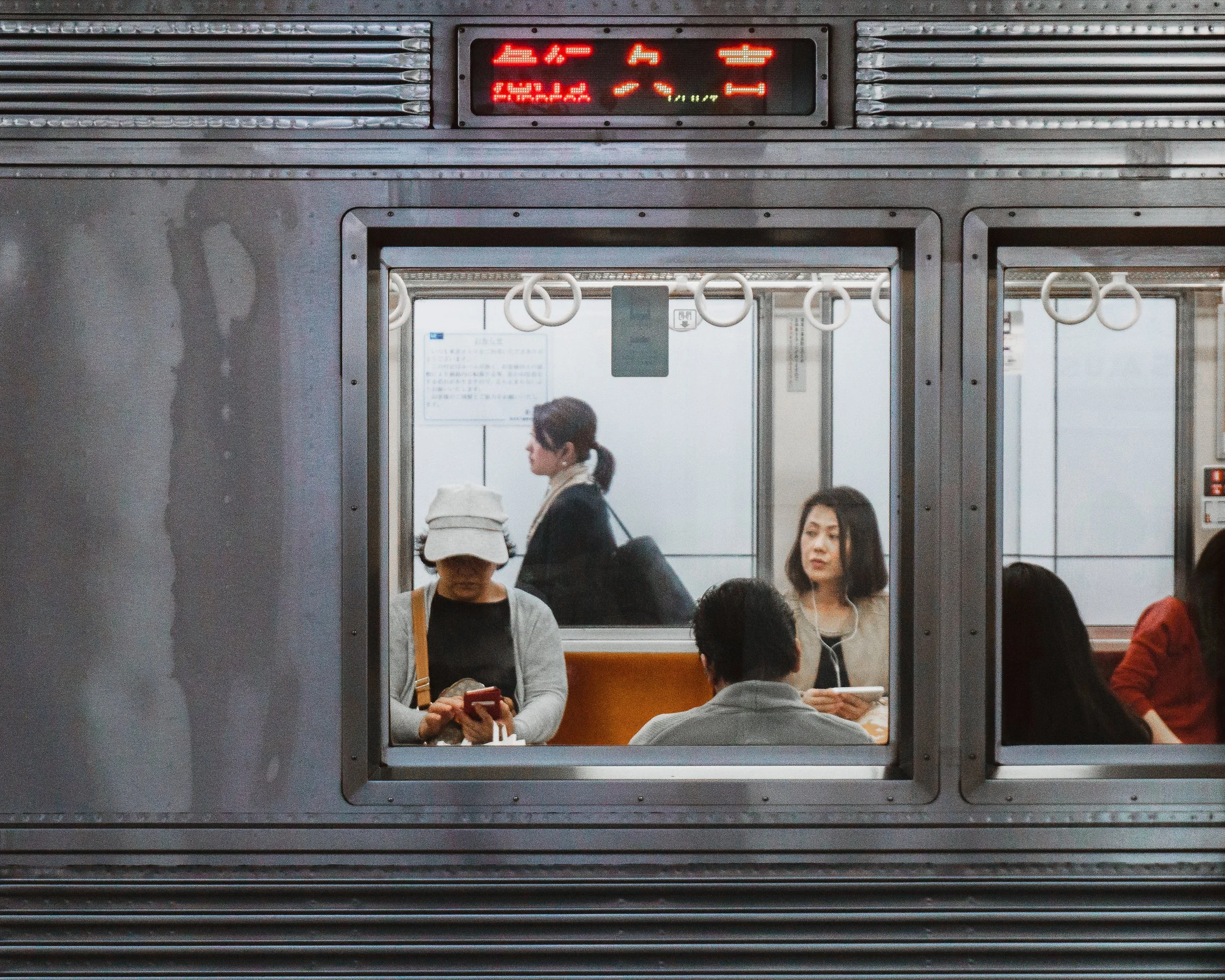
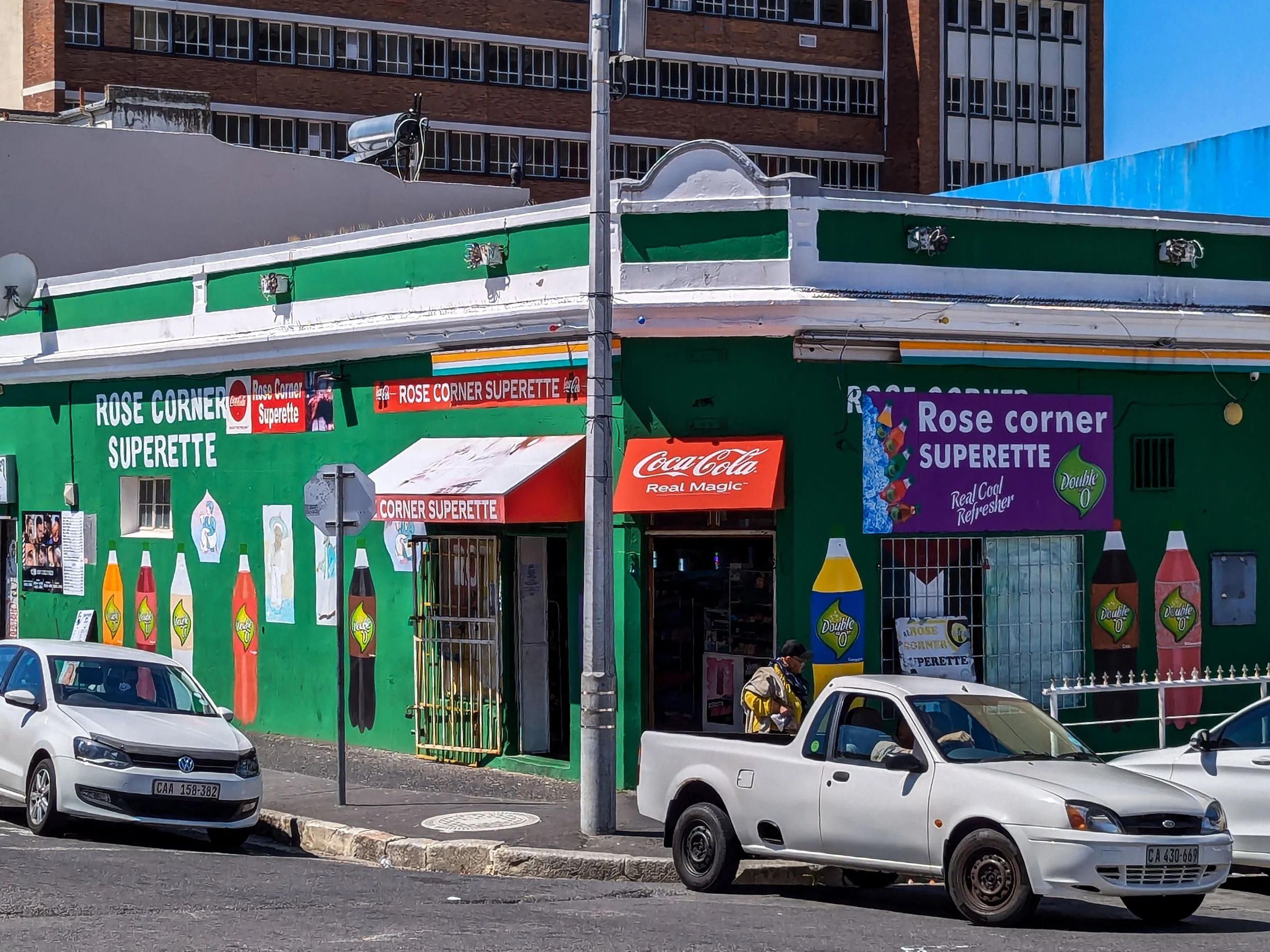
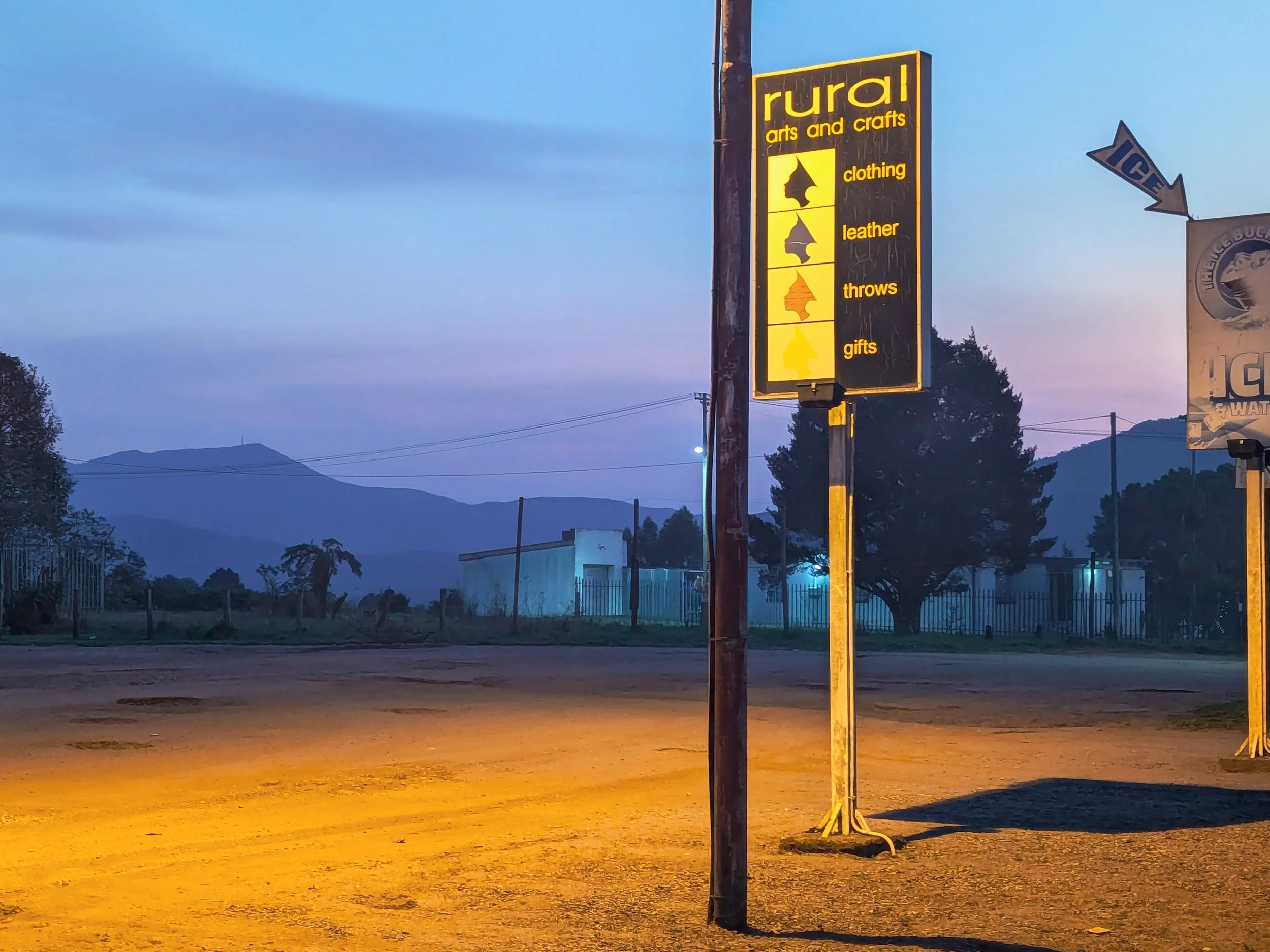
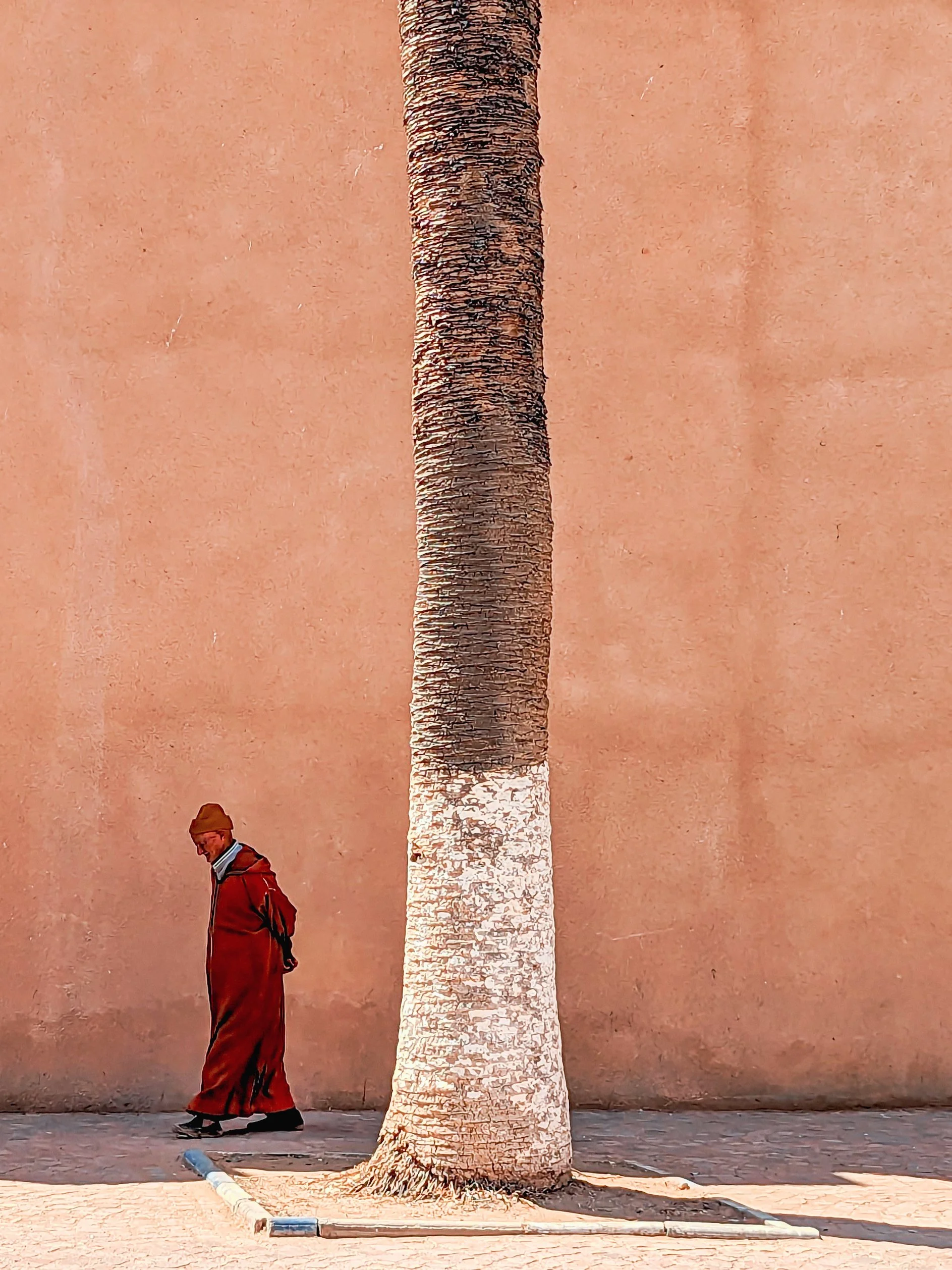
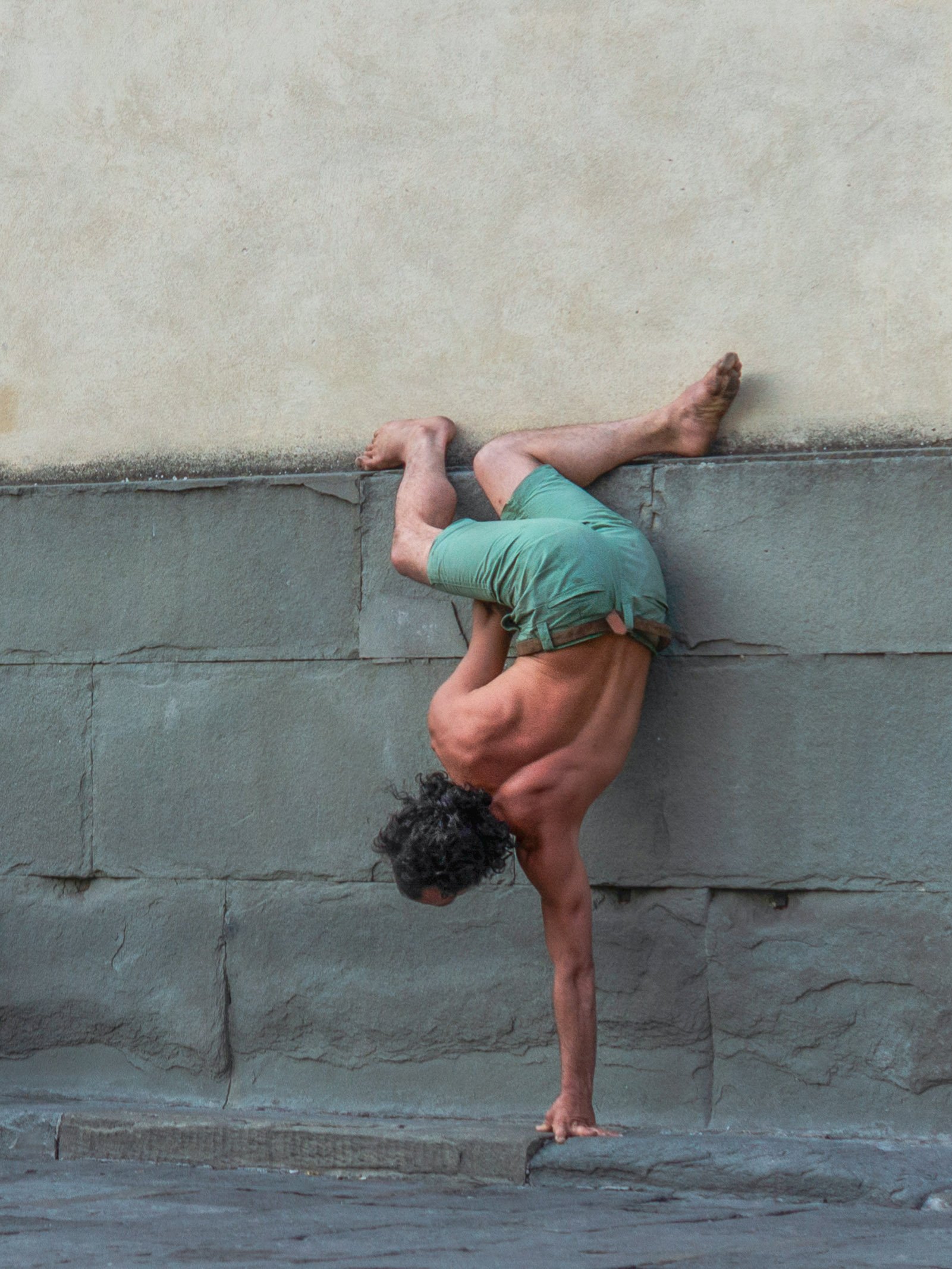
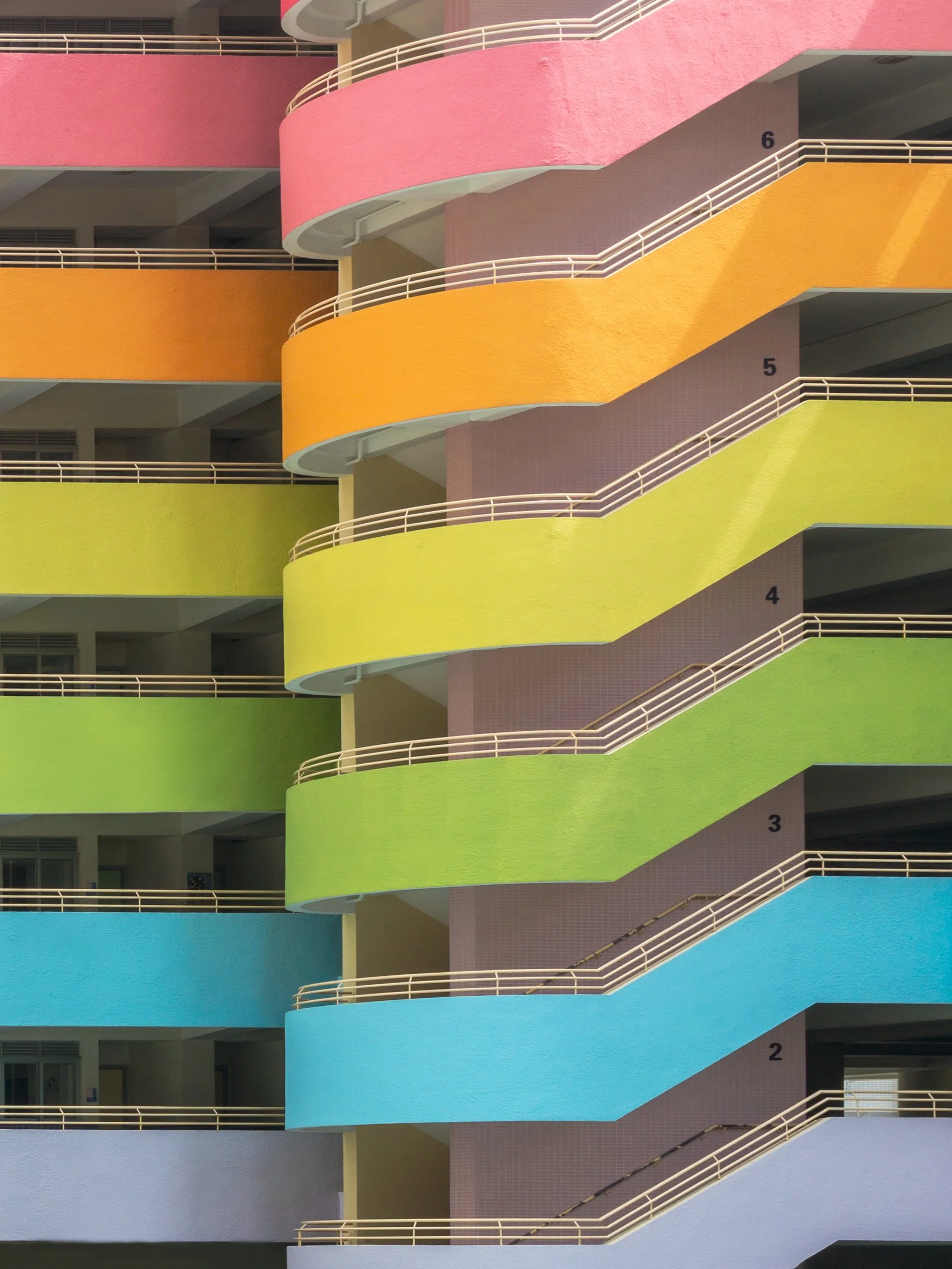
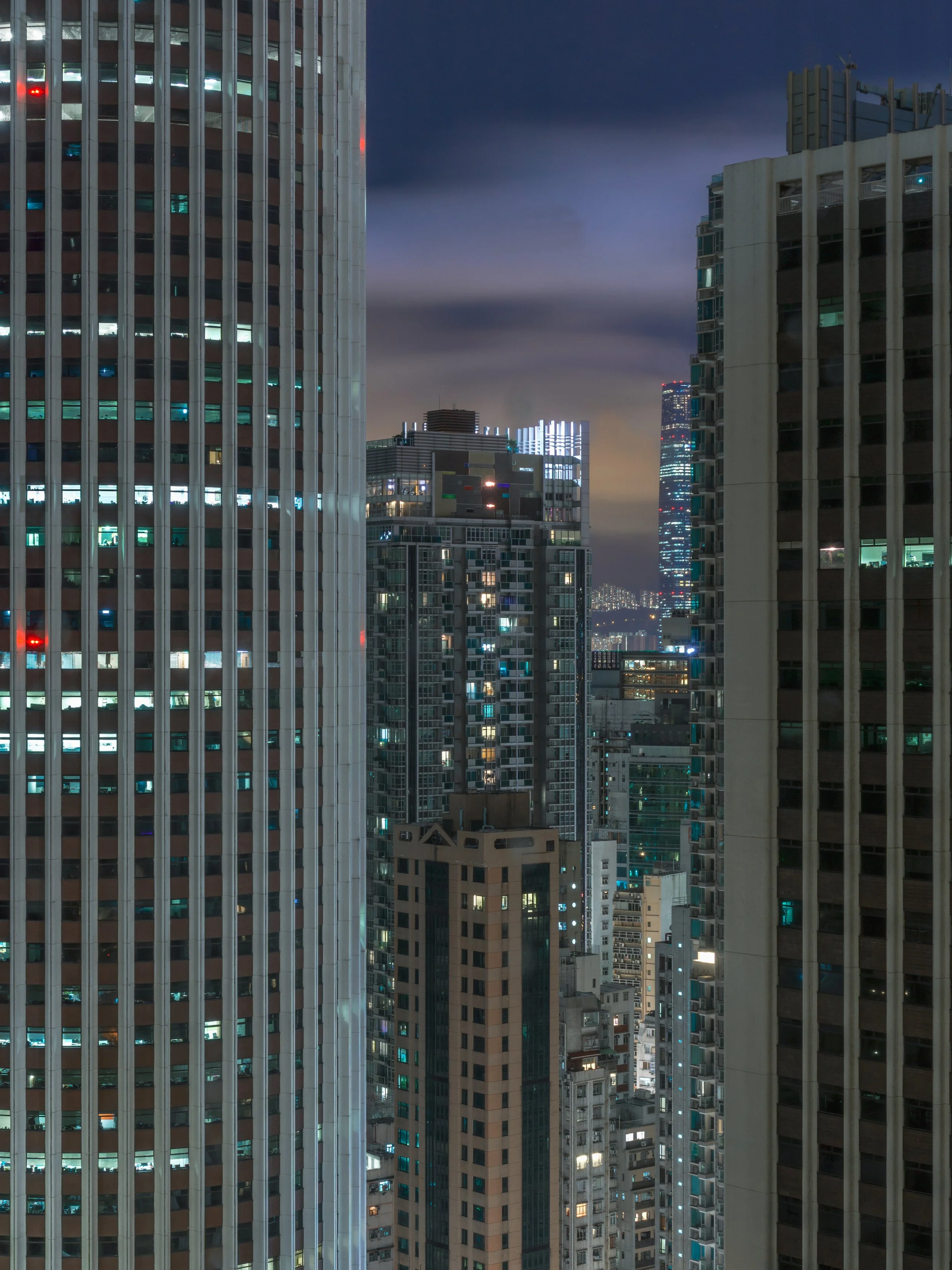
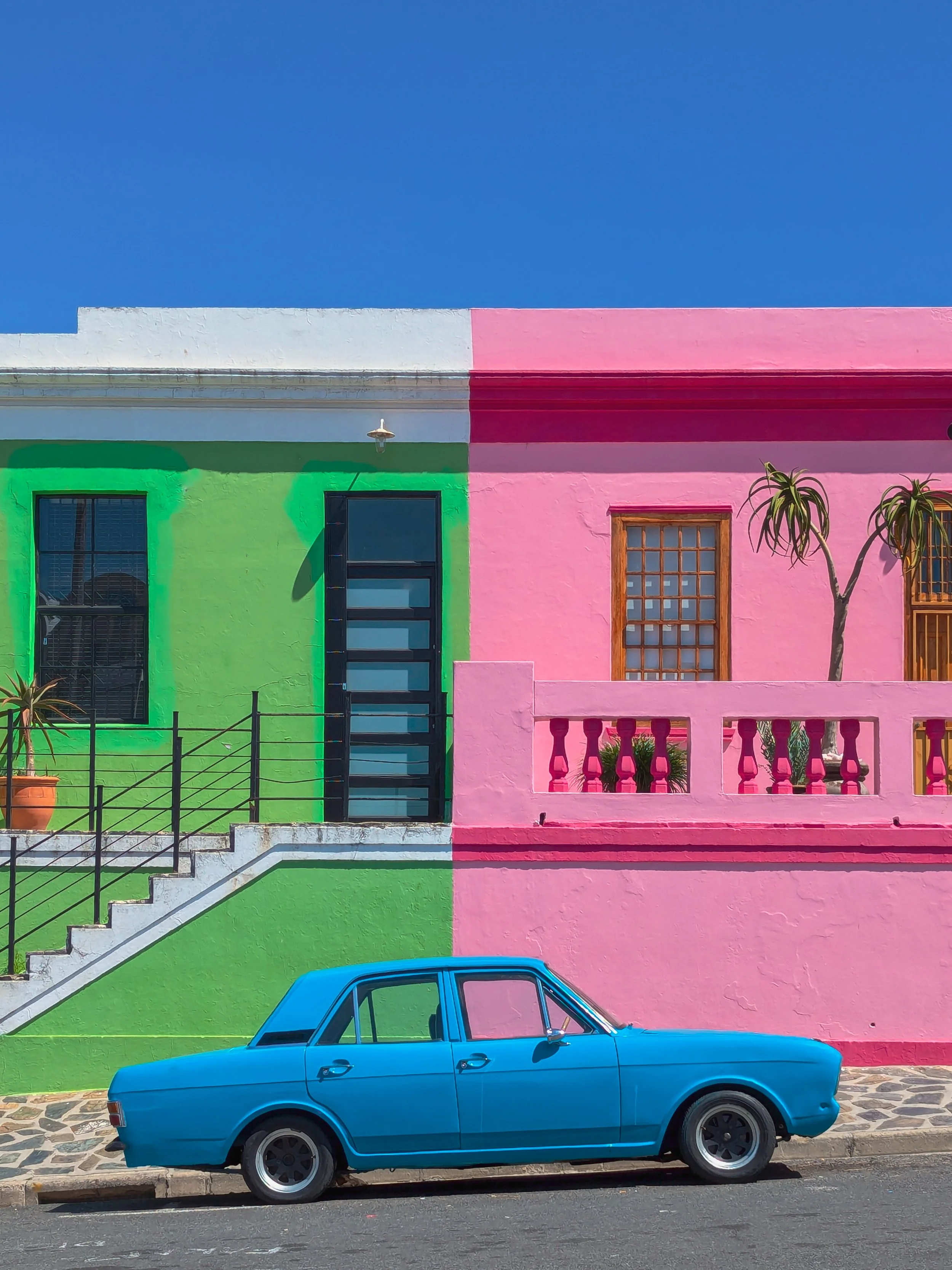
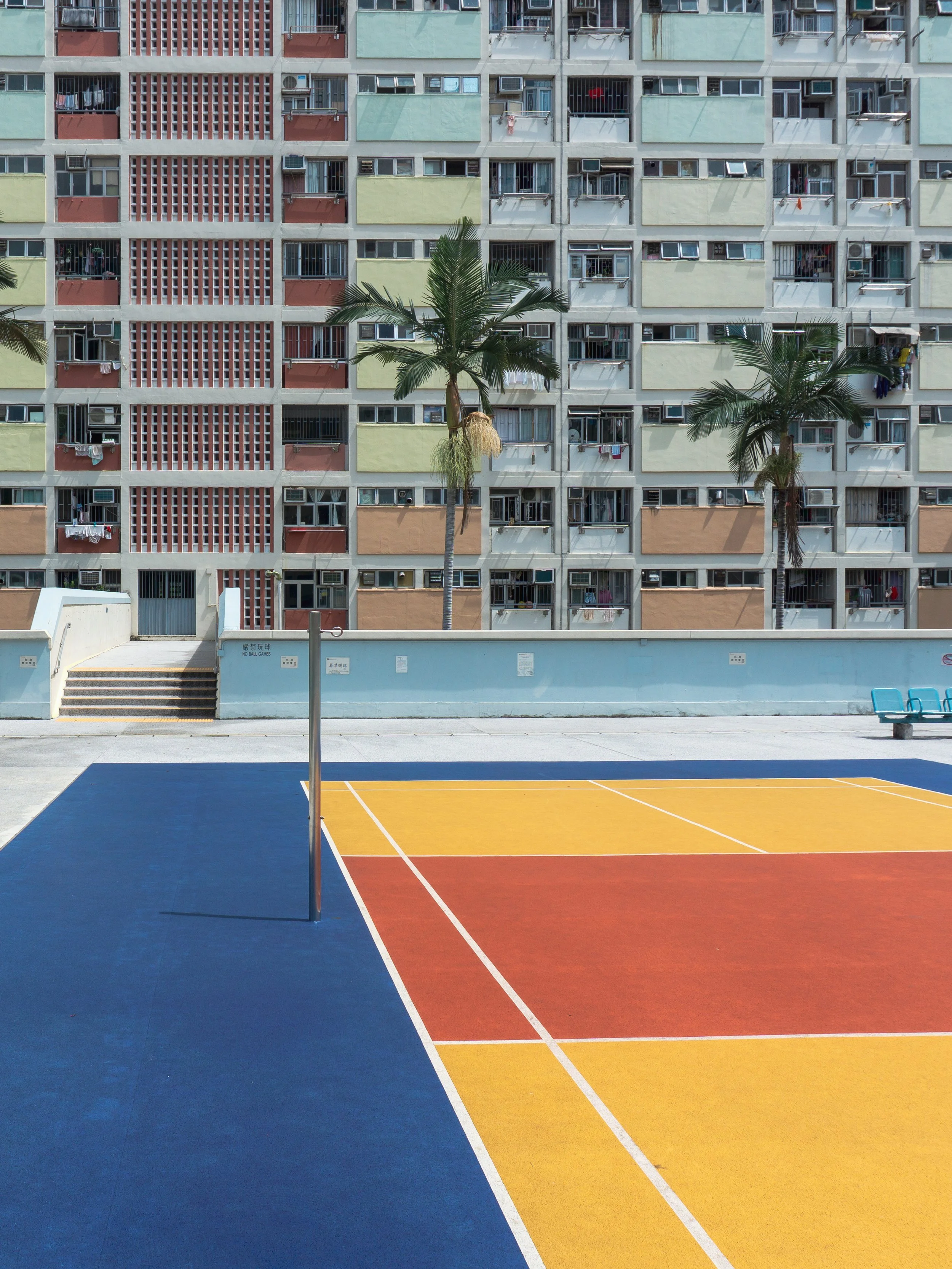
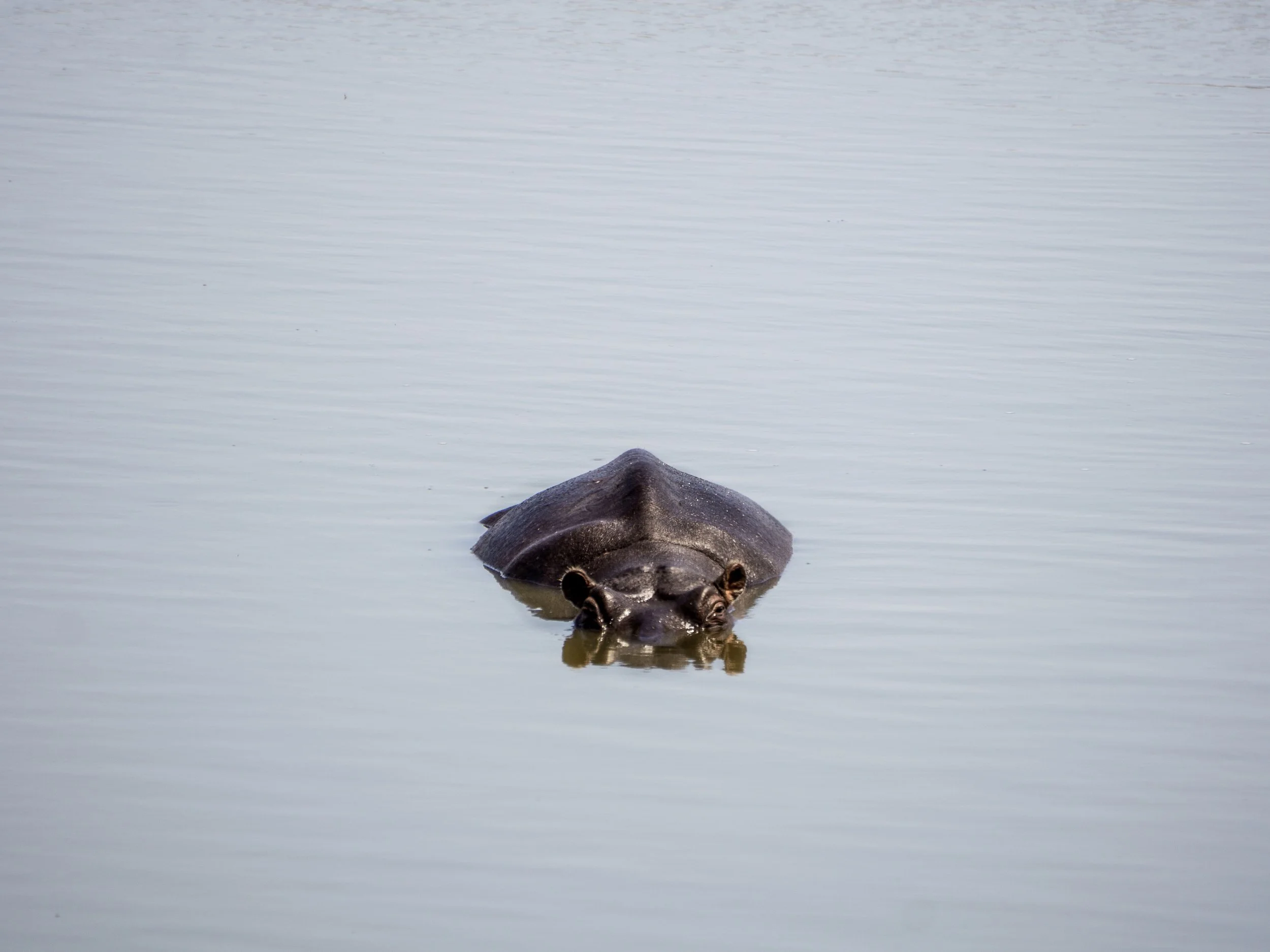
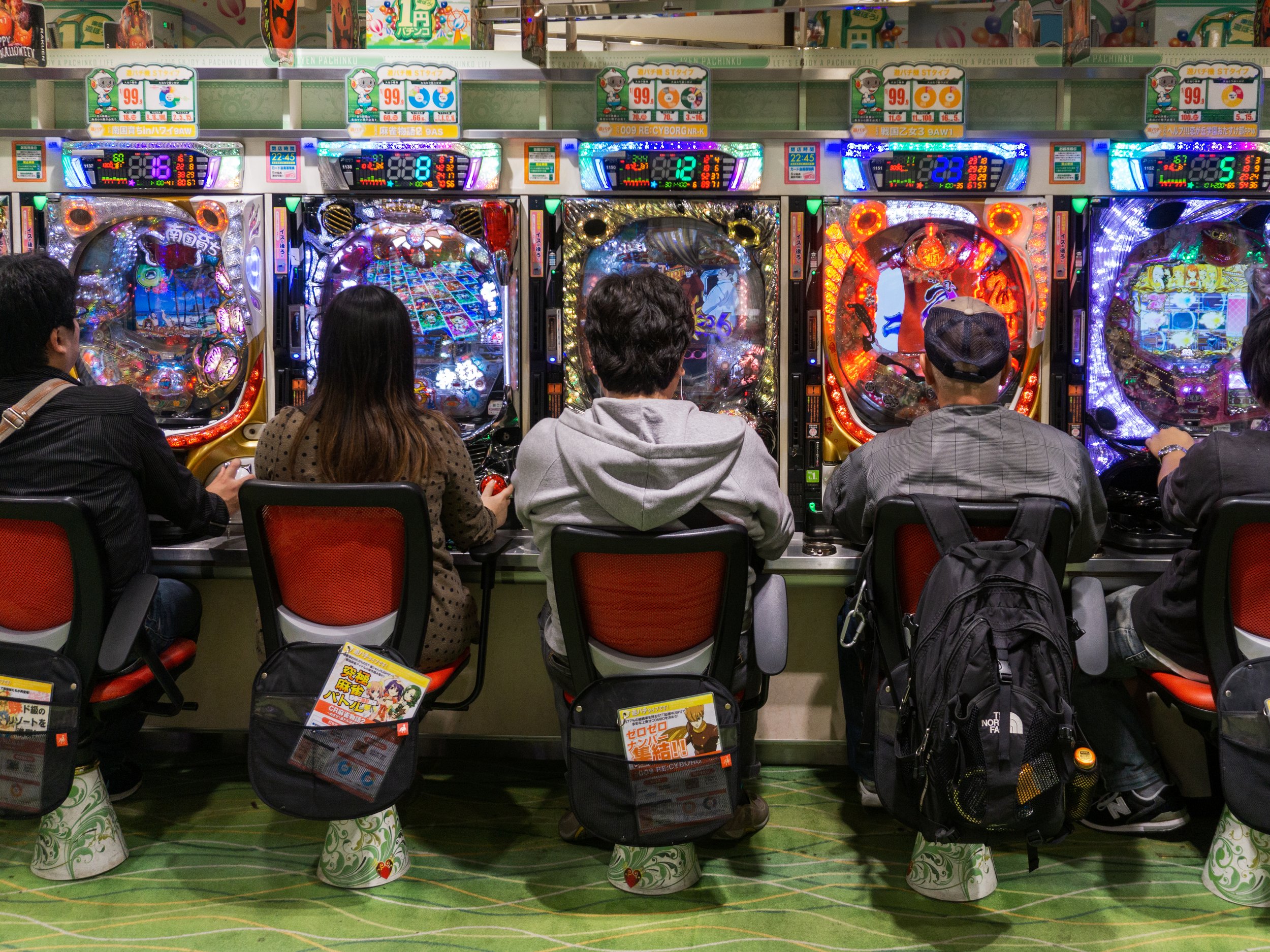
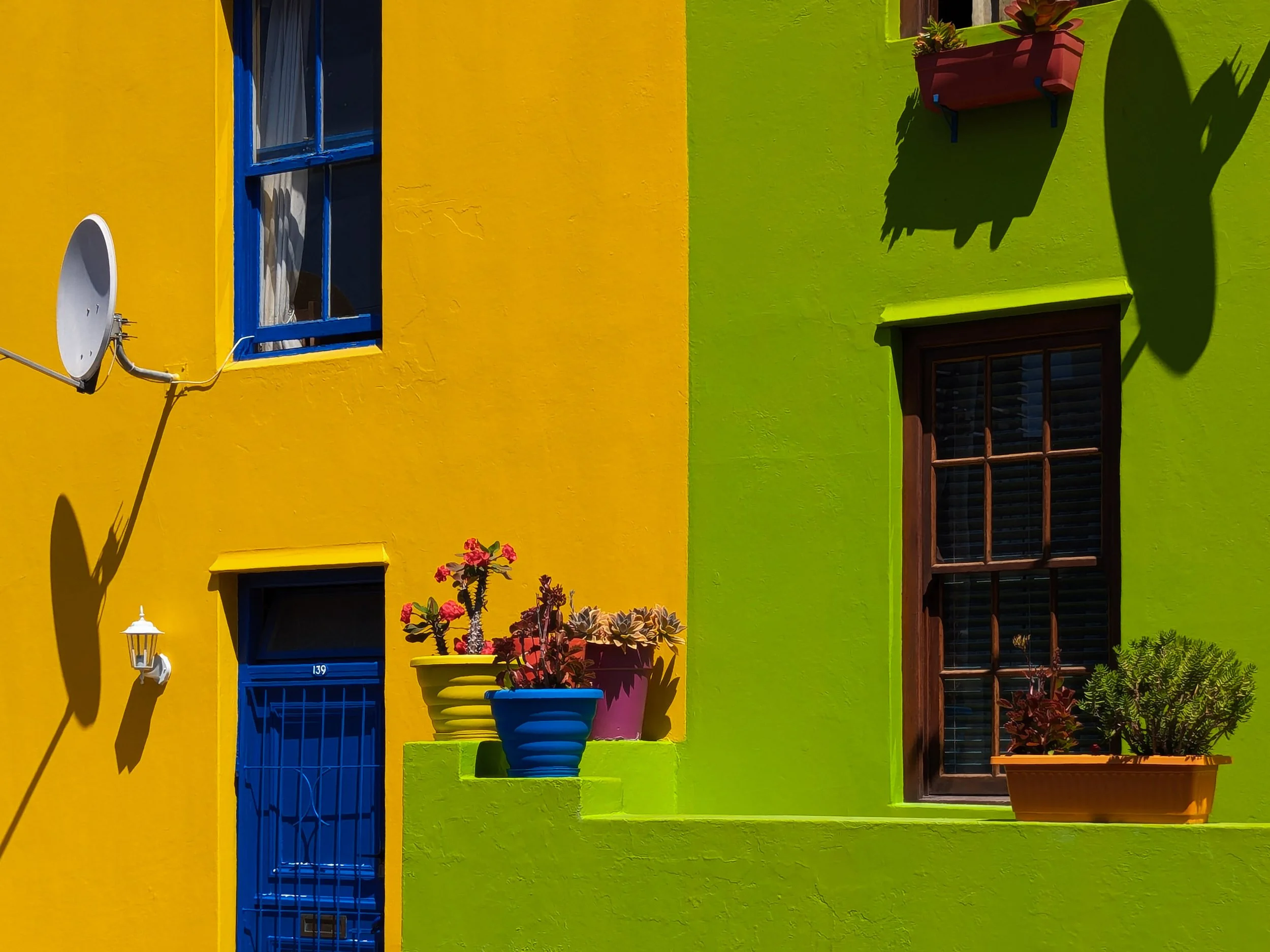
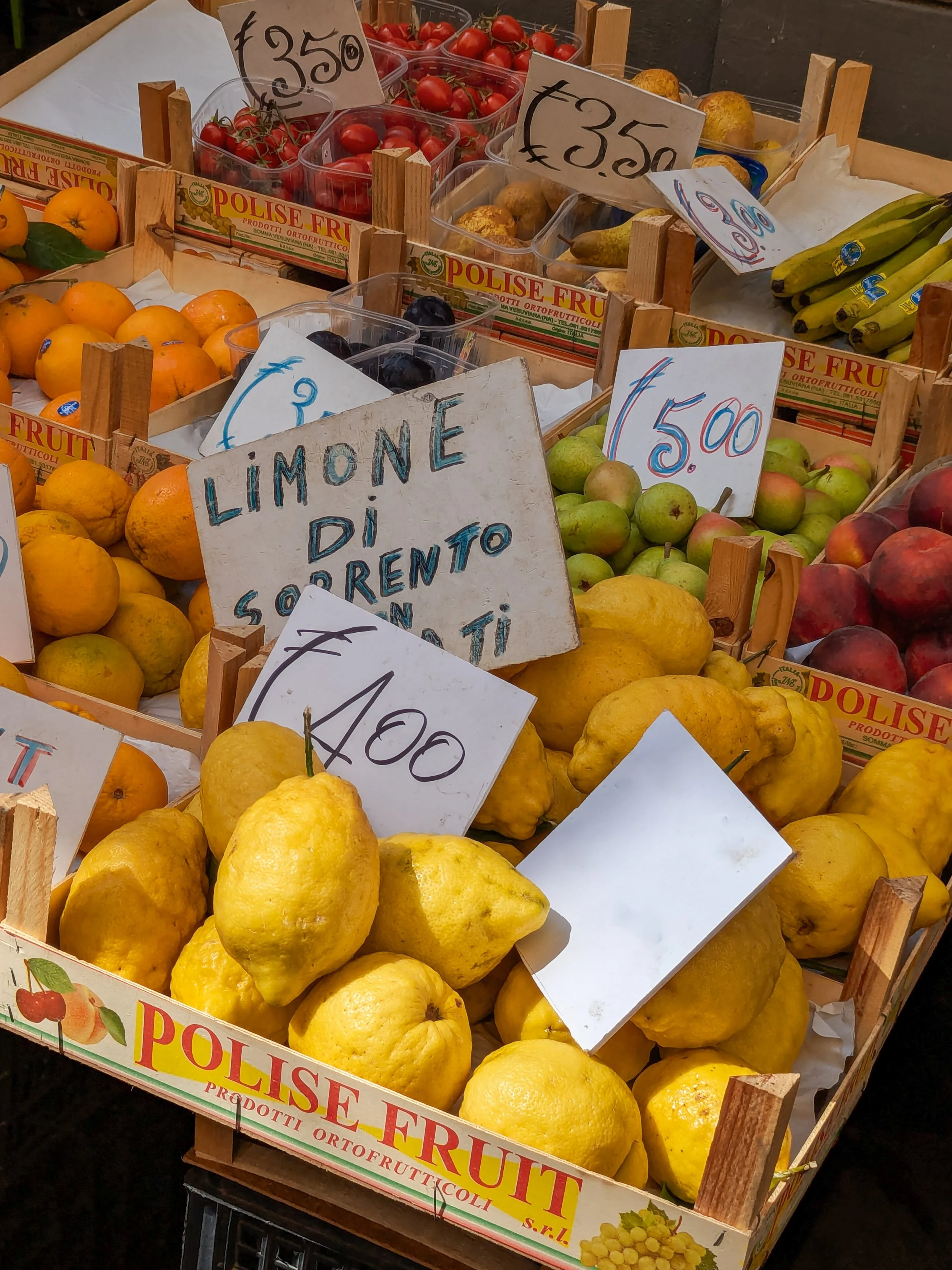
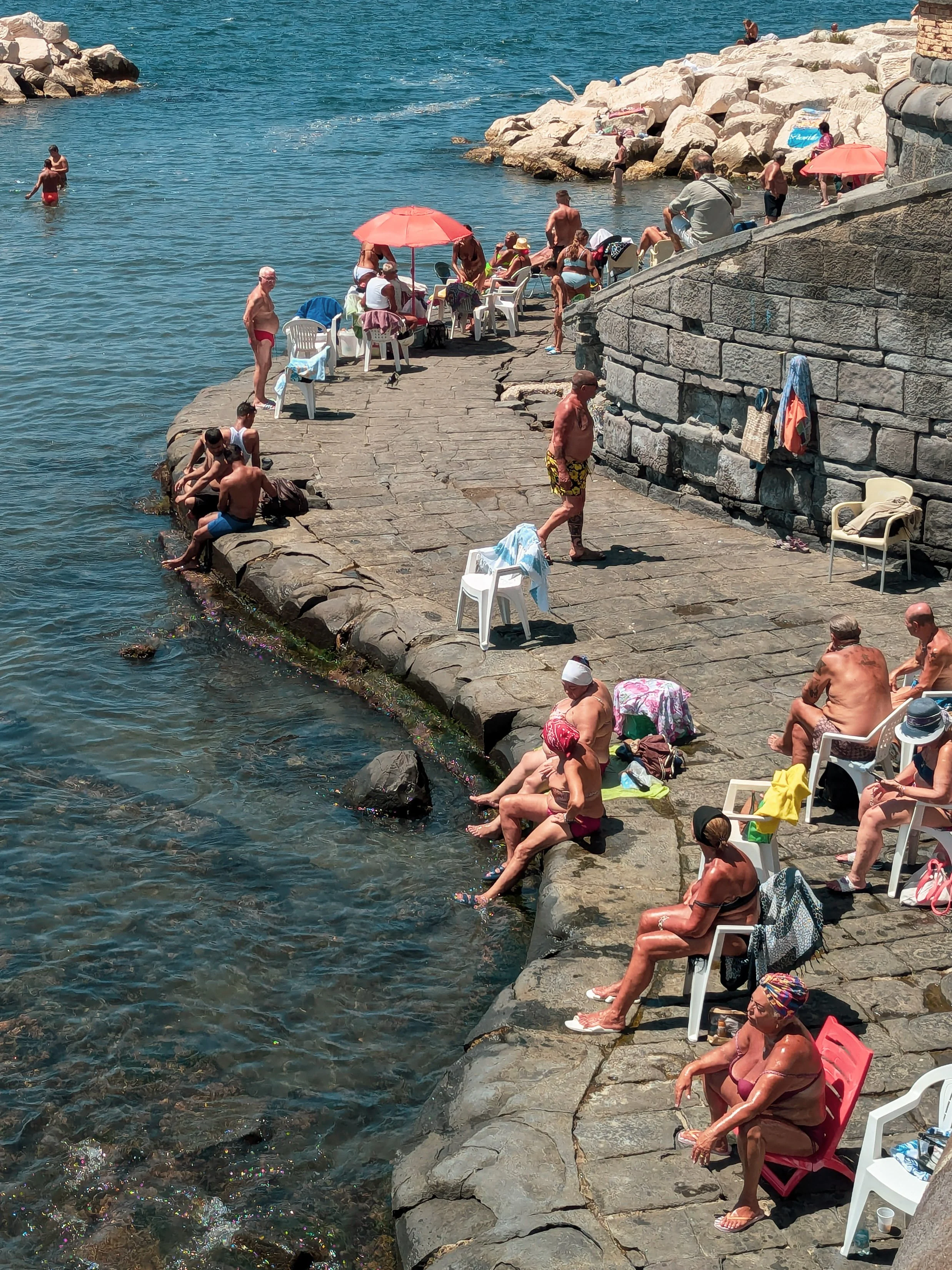
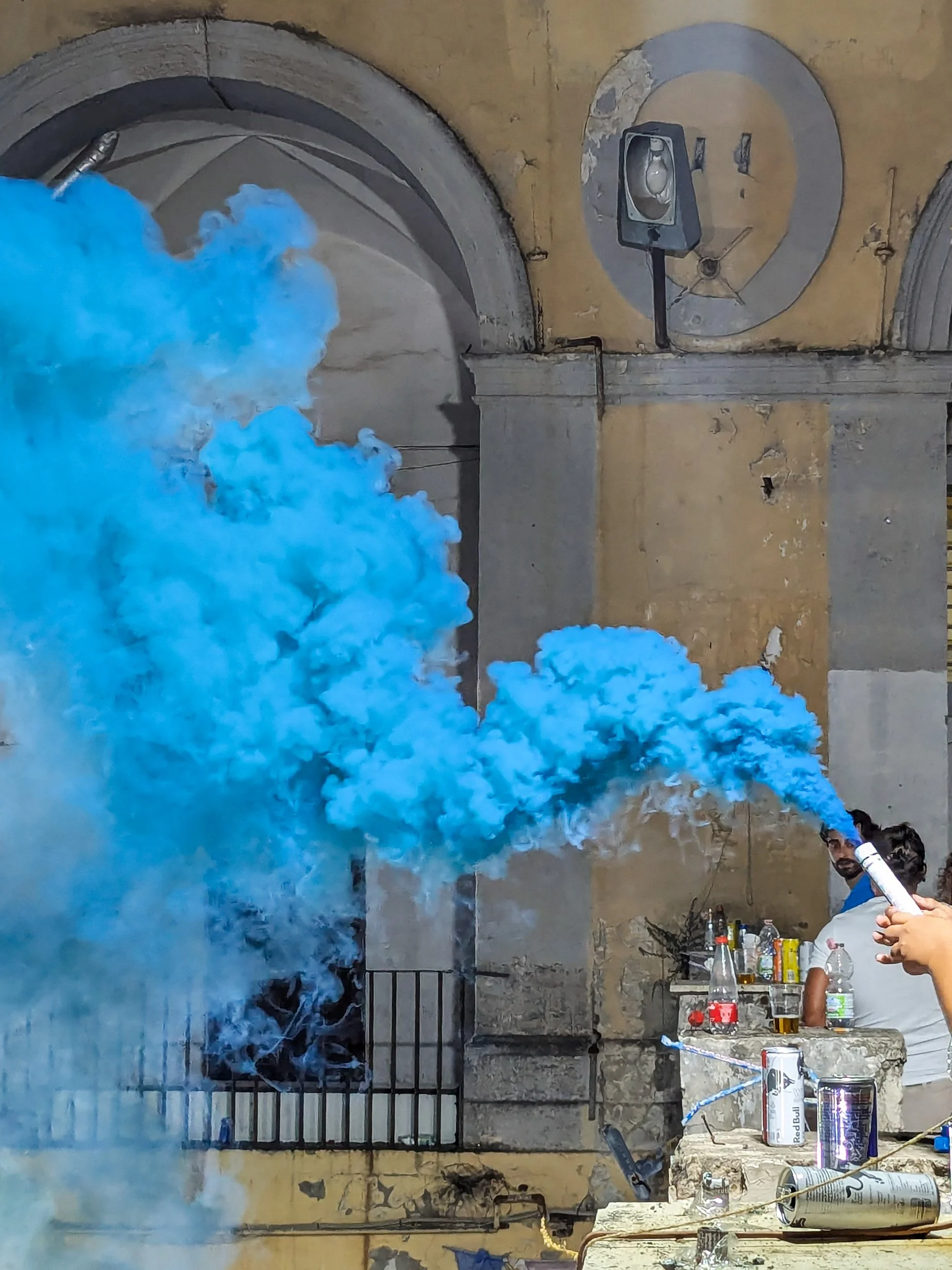
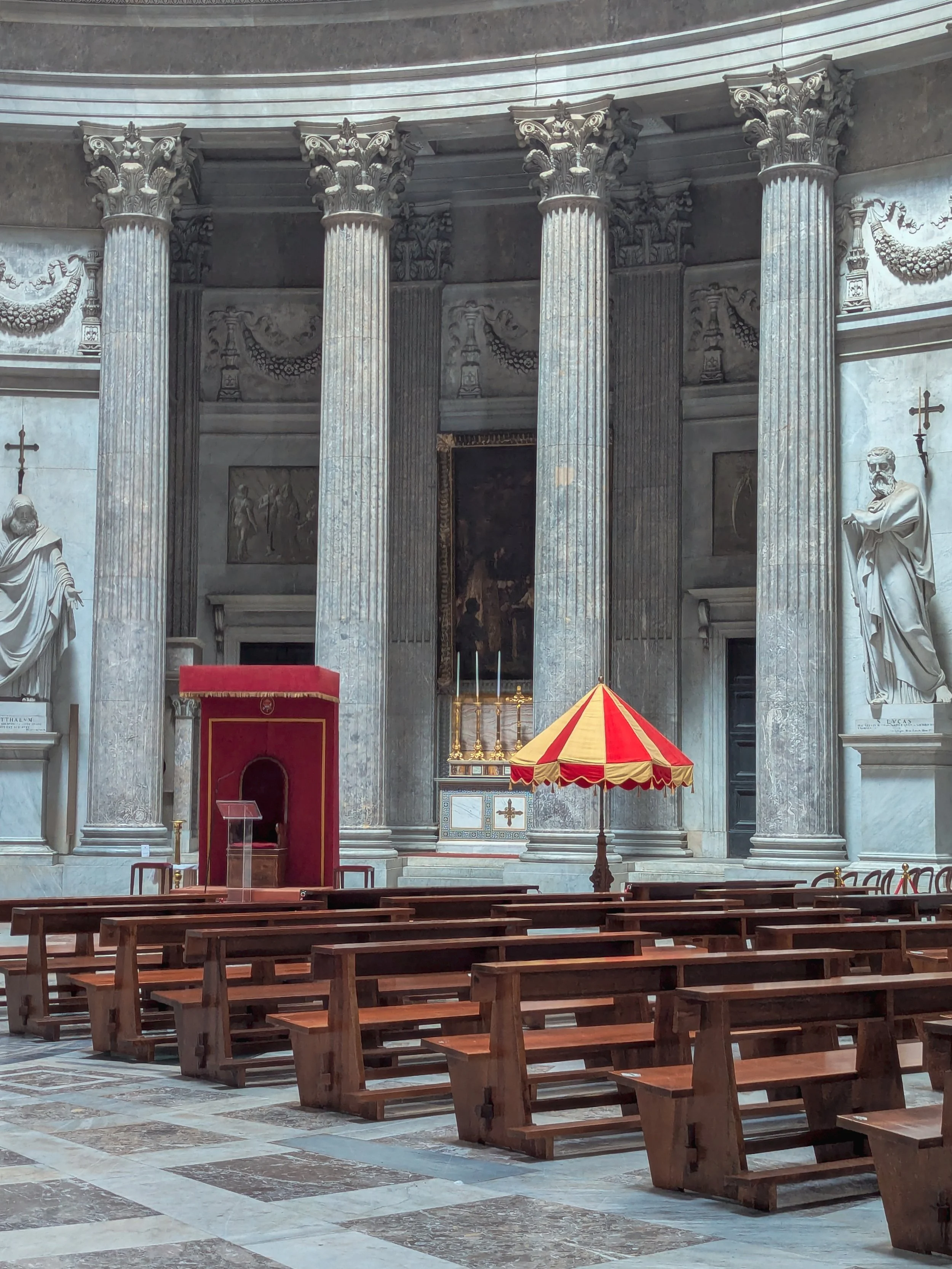
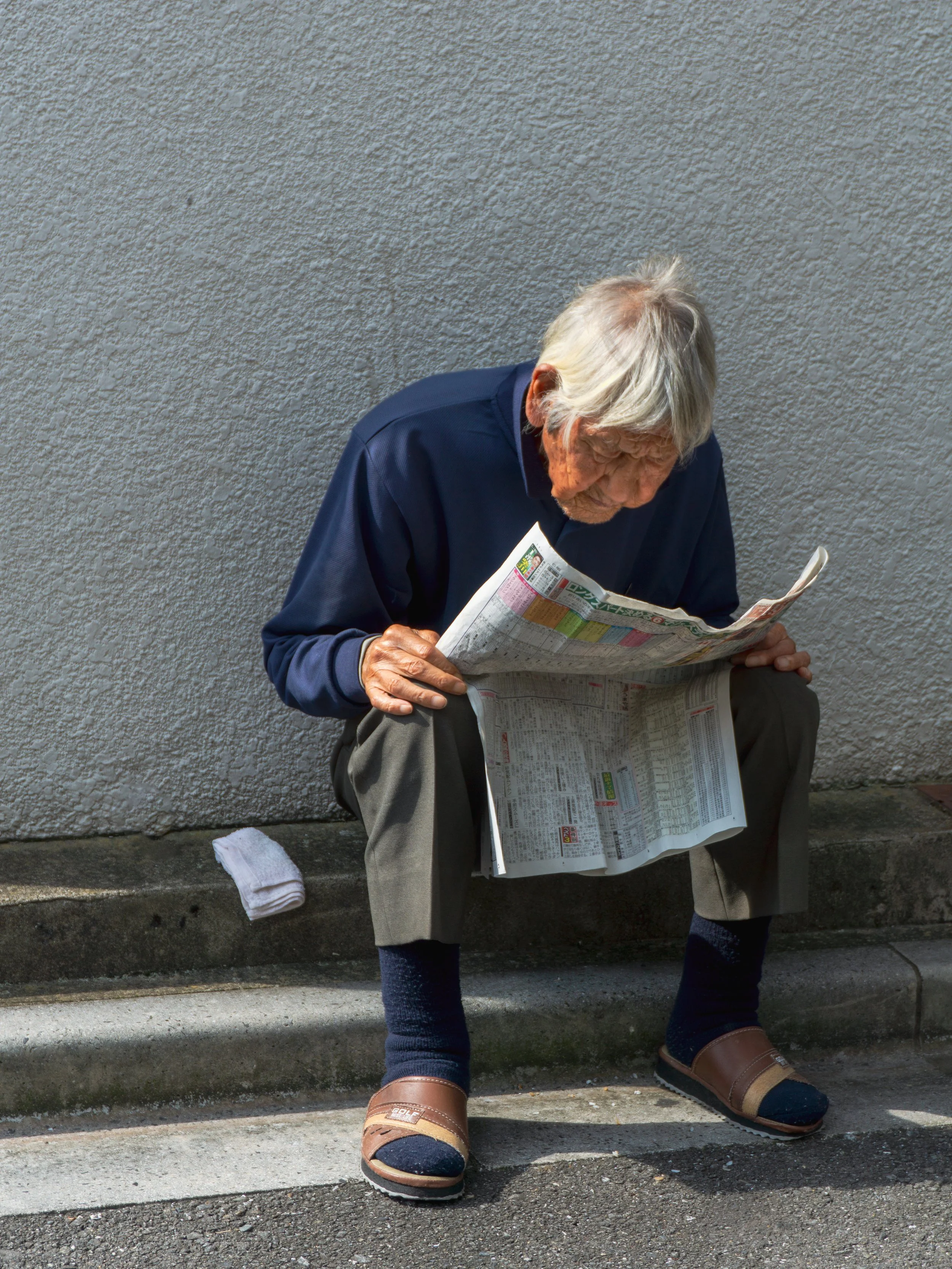
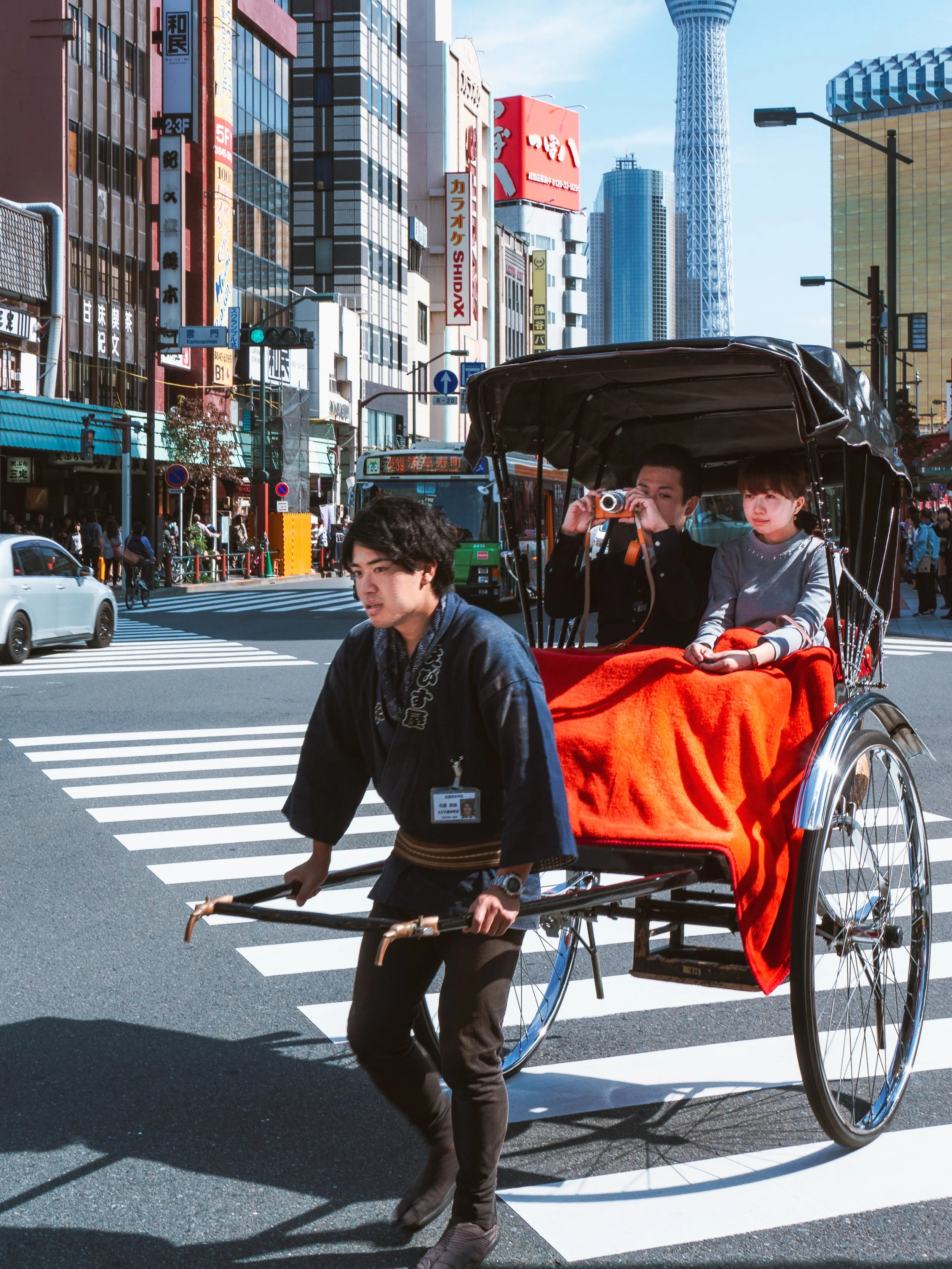
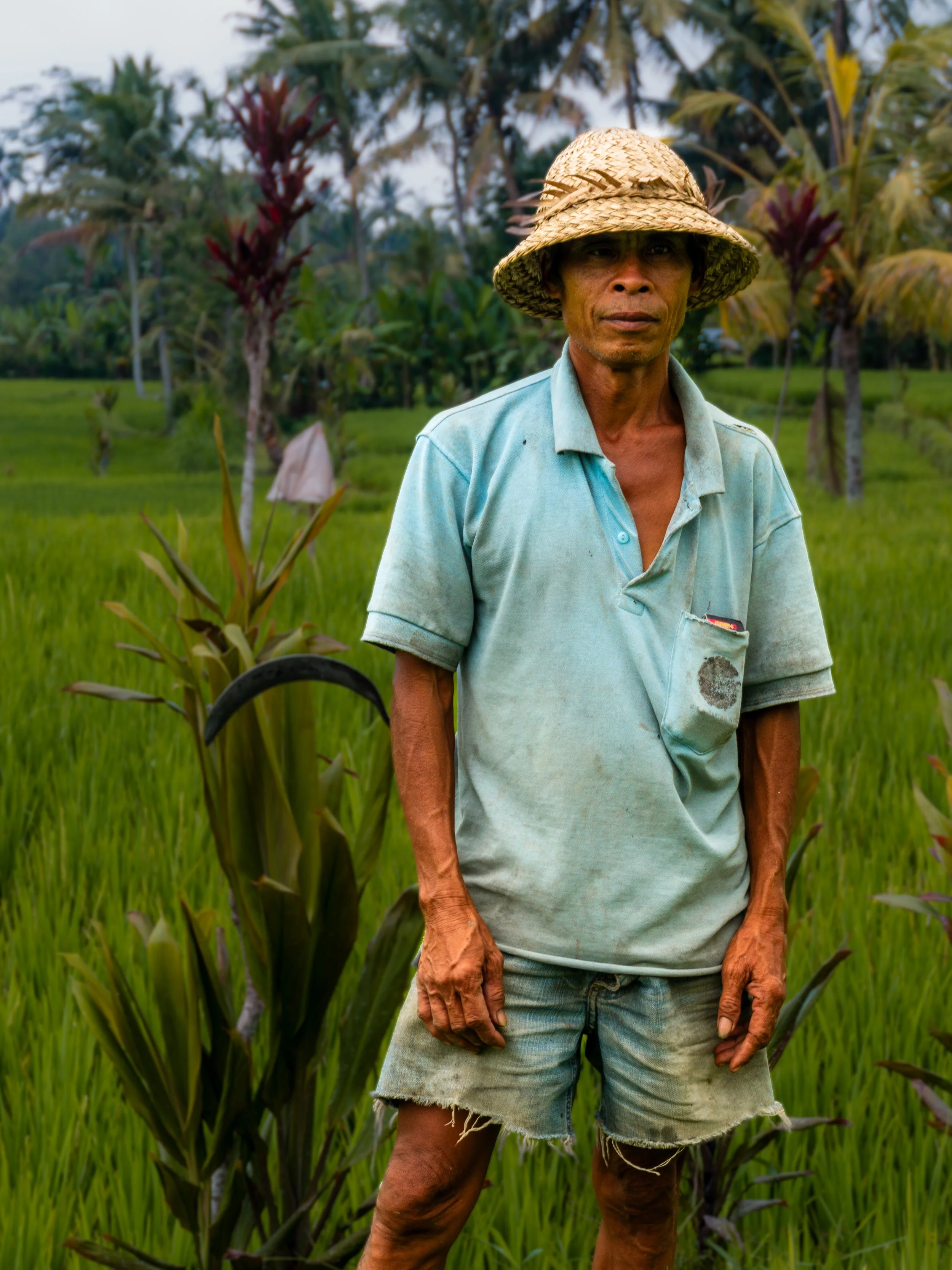
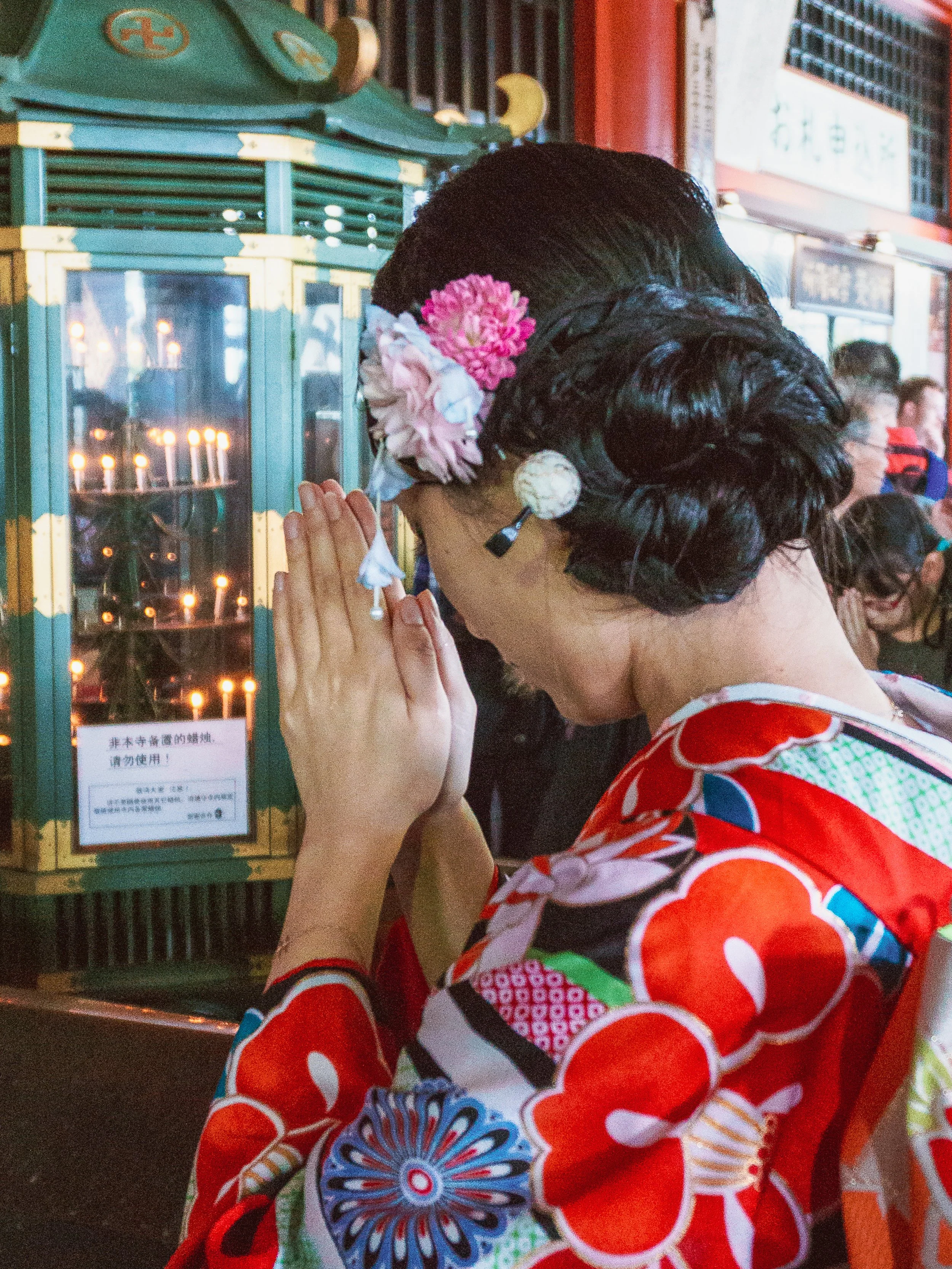
Spirit of Place is an ongoing series of photographic books exploring how a sense of place emerges through subjective encounter. Each volume is made in response to a particular location, building a visual impression through fragments of everyday life, architecture, landscape, colour, light and incidental detail. Rather than attempting to describe a place comprehensively, the project asks how atmosphere is experienced, remembered and reconstructed through photography.
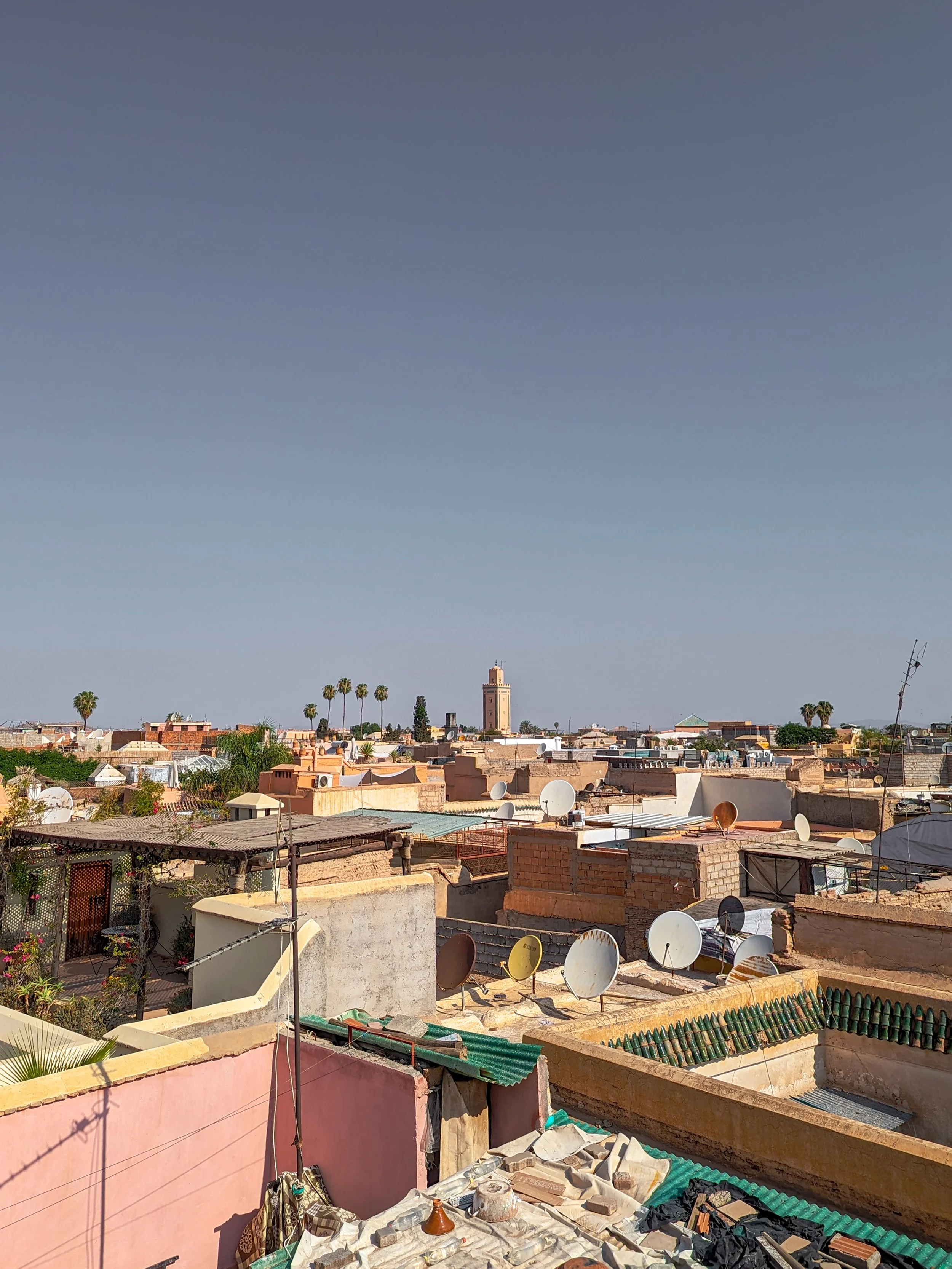
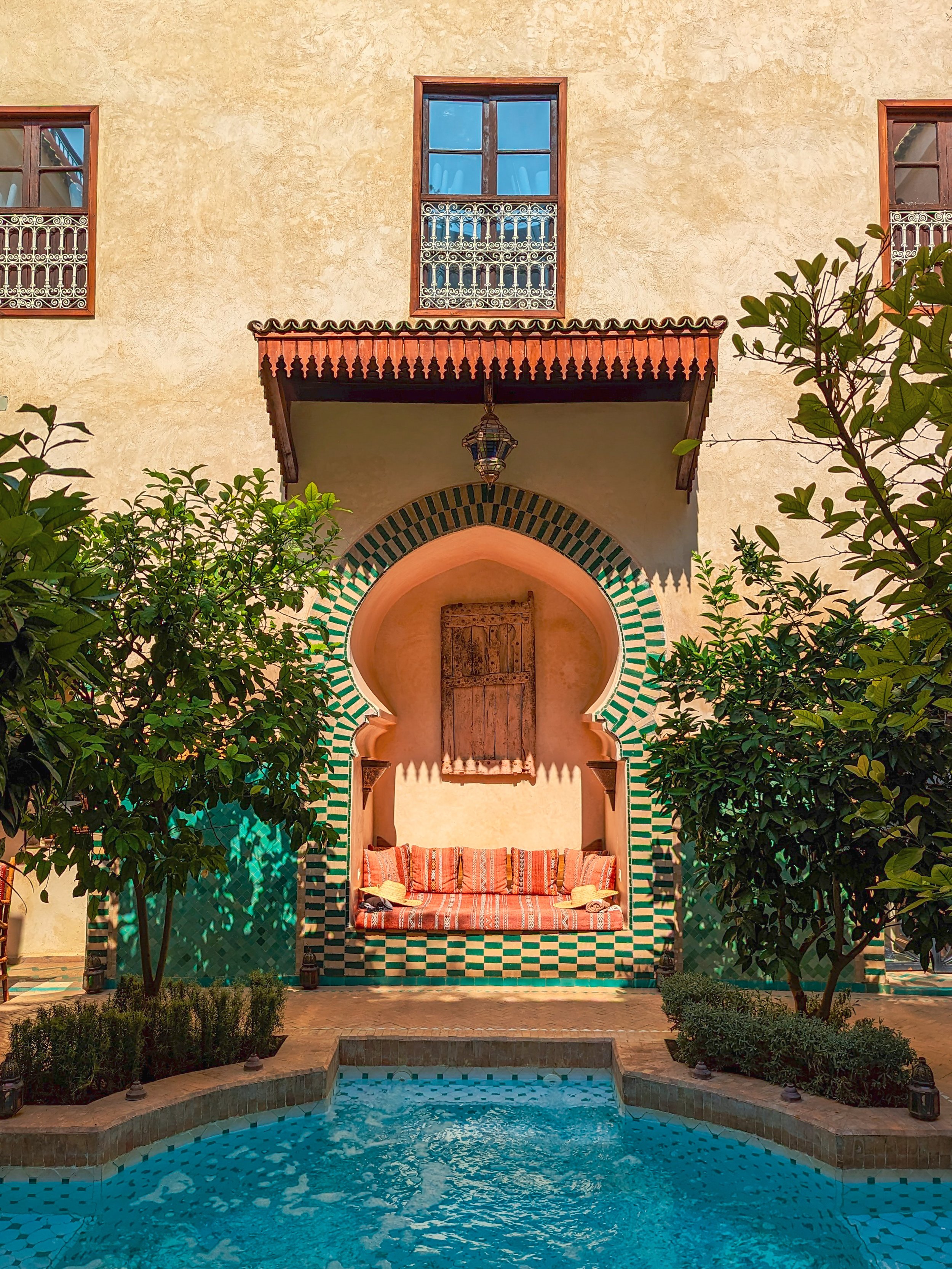
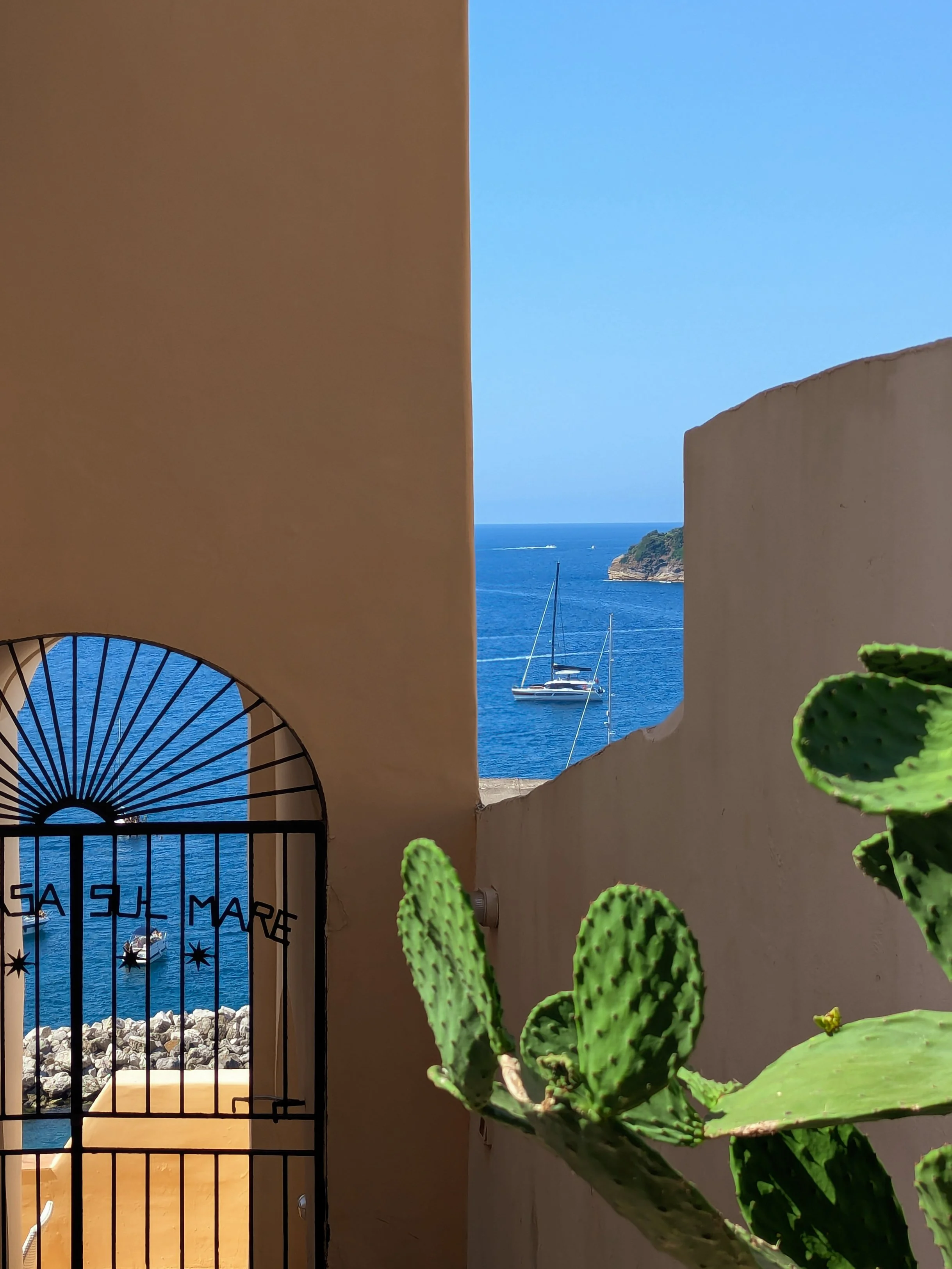
The work developed from an interest in travel photography beyond the familiar languages of landmark, spectacle and destination. Instead of asking what a place looks like, Spirit of Place considers what it feels like to spend time within it. The photographs are made through walking, observing and responding intuitively to what repeatedly draws attention. An alleyway, gesture, shopfront, coastline, interior or passing arrangement of colour may carry as much significance as a recognisable site.
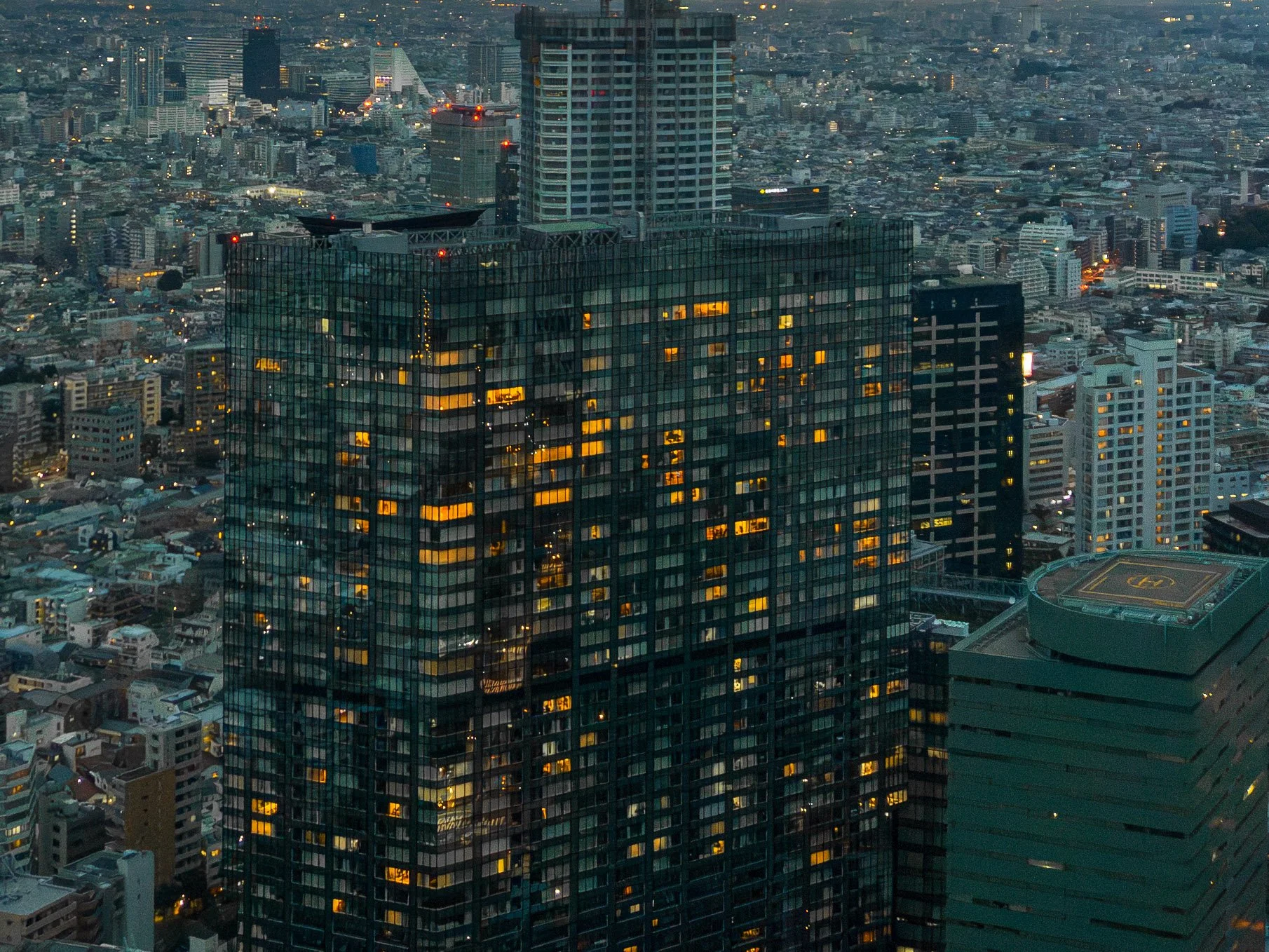
The title draws loosely on the idea of genius loci, or spirit of place, but the project does not propose that locations possess a single essence waiting to be discovered. A sense of place is understood instead as something produced through an encounter between environment and observer, shaped by culture, memory, expectation, movement and time. The books are therefore deliberately subjective. They do not claim to represent Naples, South Africa, Tokyo or Hong Kong in their entirety, but record particular ways of experiencing them.
This raises a central question within the project: how can photography communicate place without reducing it to description? What allows a collection of partial and seemingly unrelated observations to accumulate into a recognisable atmosphere? And how does our memory of a place differ from the physical environment itself?
Sequencing is fundamental to this enquiry. Individual photographs operate as fragments, but meaning develops through their accumulation and through the relationships created from page to page. Repeated colours, gestures, forms and shifts in scale establish rhythms that resemble the associative way places are often remembered: not as continuous narratives, but as clusters of impressions and moments.
In this sense, Spirit of Place sits between subjective documentary, travel photography and the contemporary photobook tradition. Luigi Ghirri’s approach to the everyday landscape provides an important reference through his understanding of place as something mediated by images, perception and cultural expectation. Rinko Kawauchi's attention to fleeting details and sensory experience similarly demonstrates how apparently minor observations can accumulate into an emotional understanding of the world. Both suggest ways in which photography can evoke experience without attempting to exhaustively explain it.
The book is not simply a container for the photographs but part of the work itself. Designed as small, tactile and portable publications, each volume encourages an intimate encounter with a place through sequence and duration. Their scale reflects the personal nature of travel and memory: something carried, revisited and experienced privately rather than presented as an authoritative account.
Ultimately, Spirit of Place considers the relationship between place, perception and memory. The project proposes that understanding somewhere may come not from seeing everything, but from noticing the particular fragments that remain with us after we leave.