







ACTS OF ATTENTION
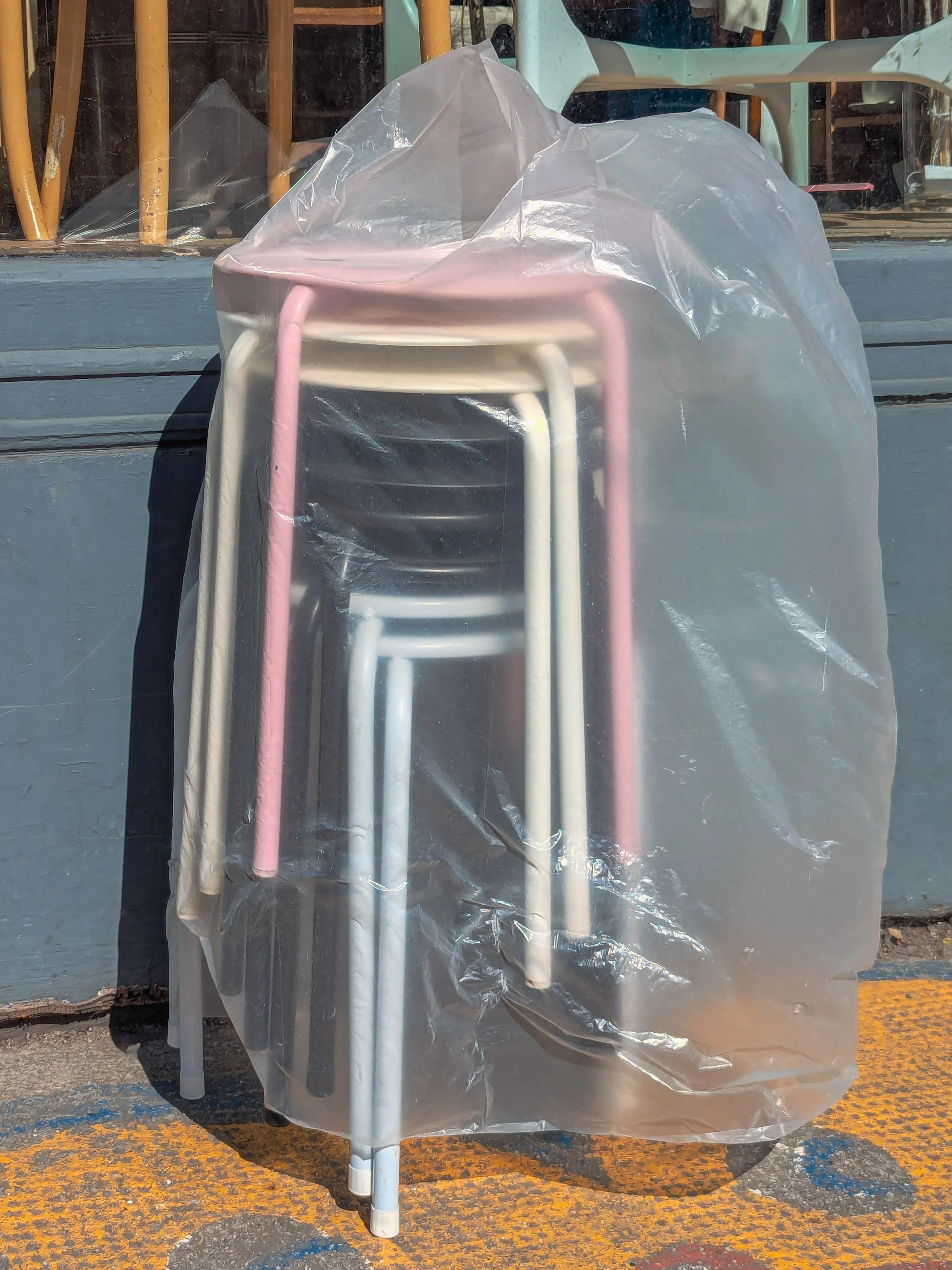
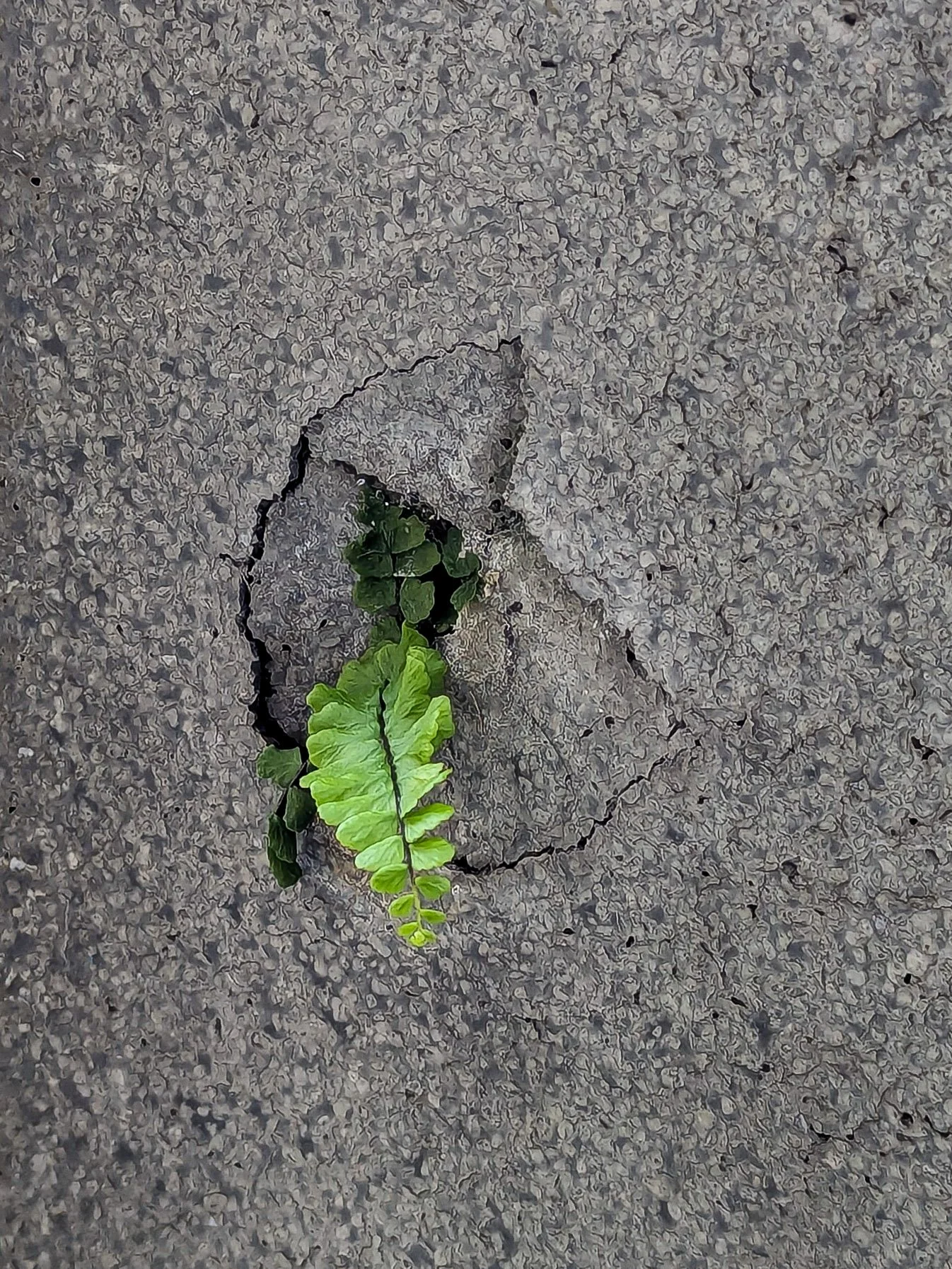
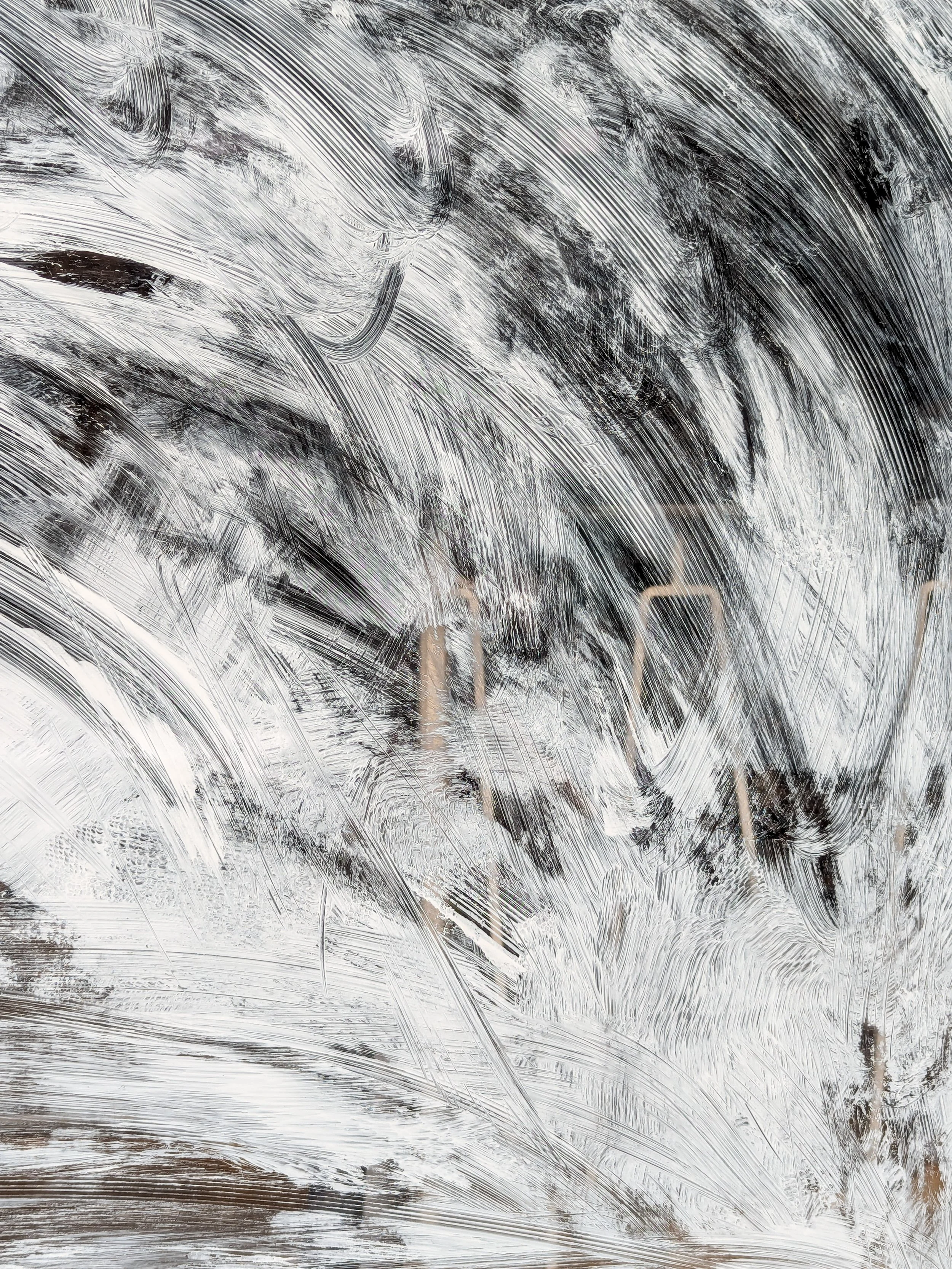
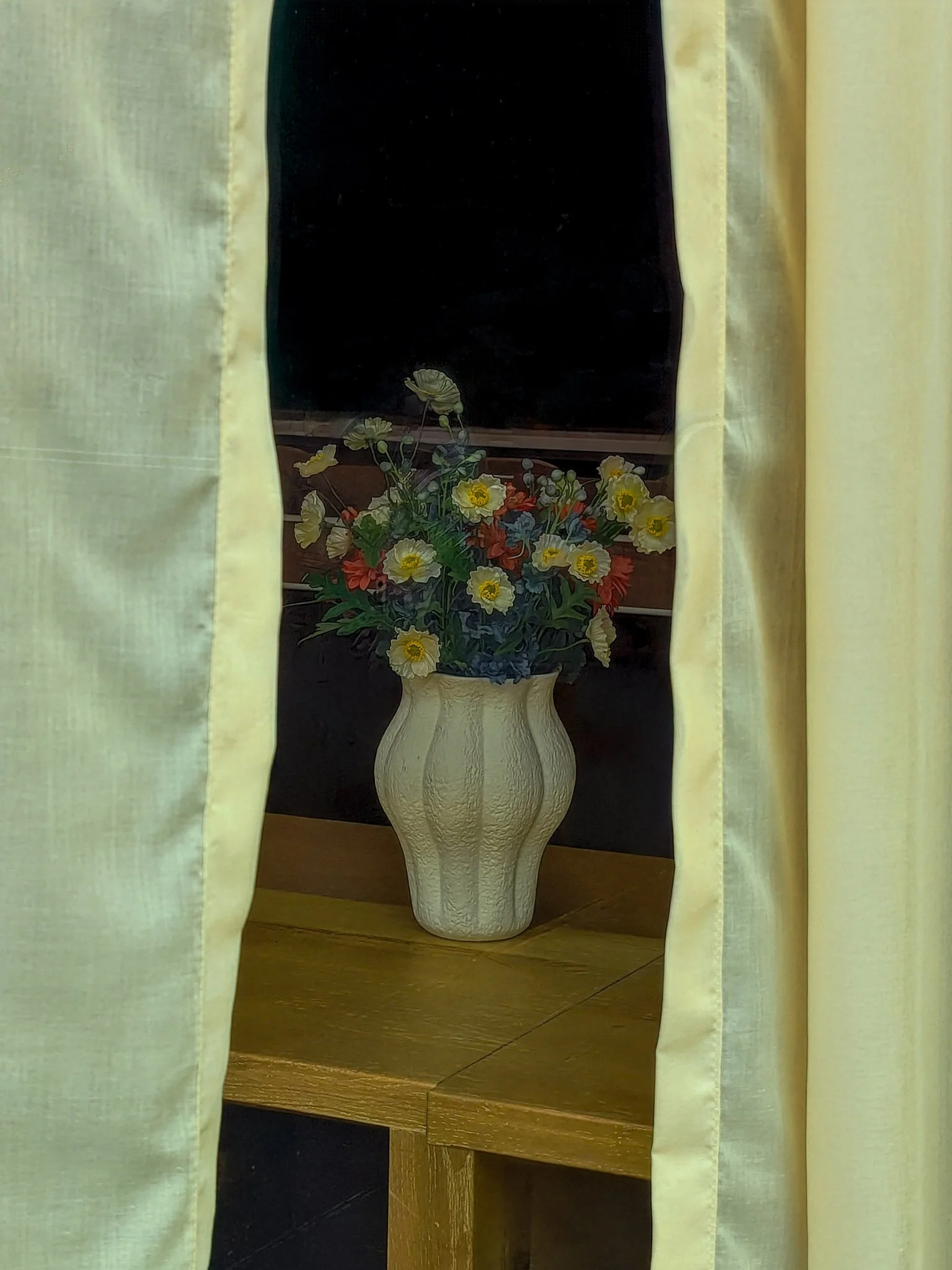
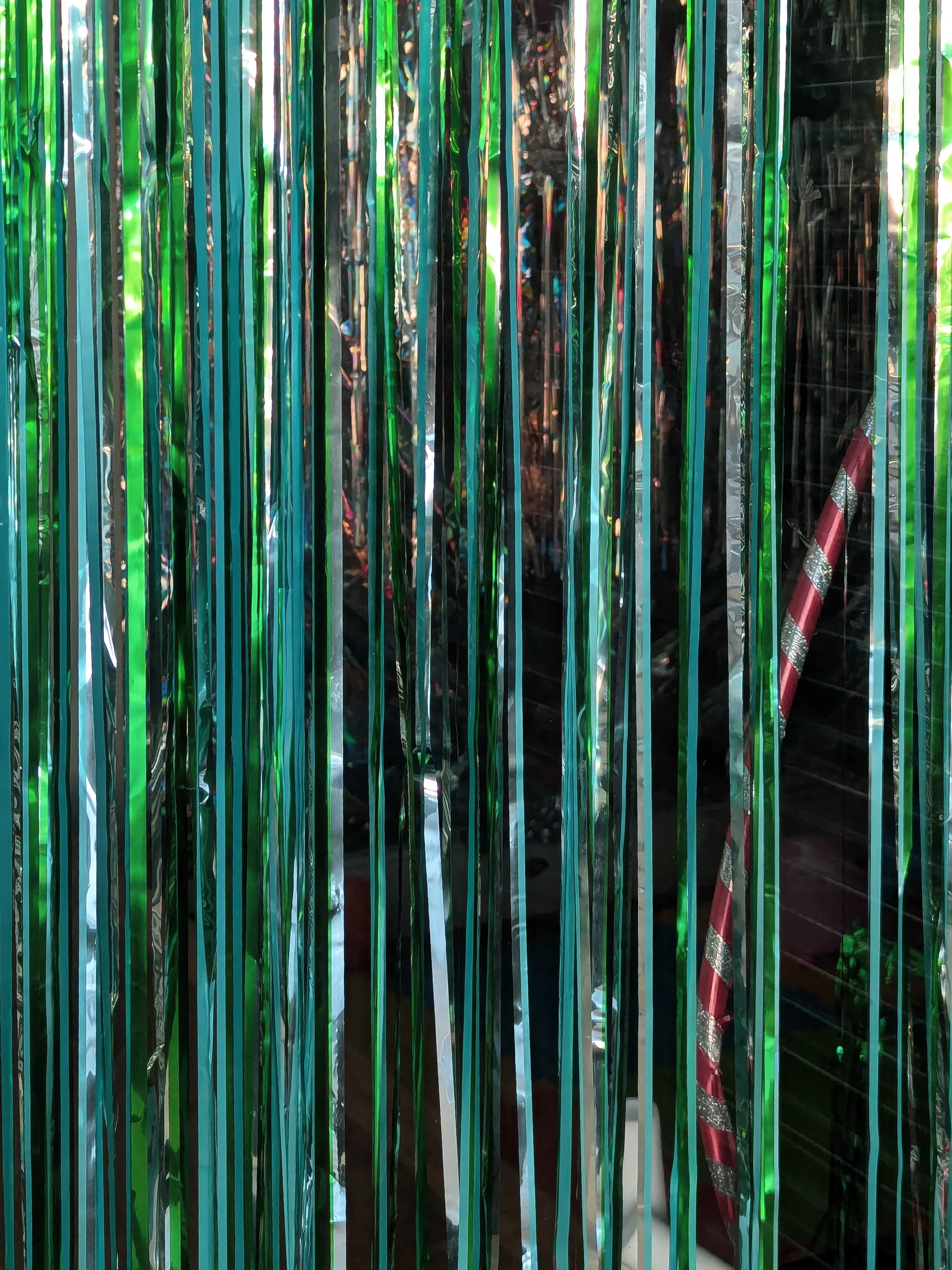
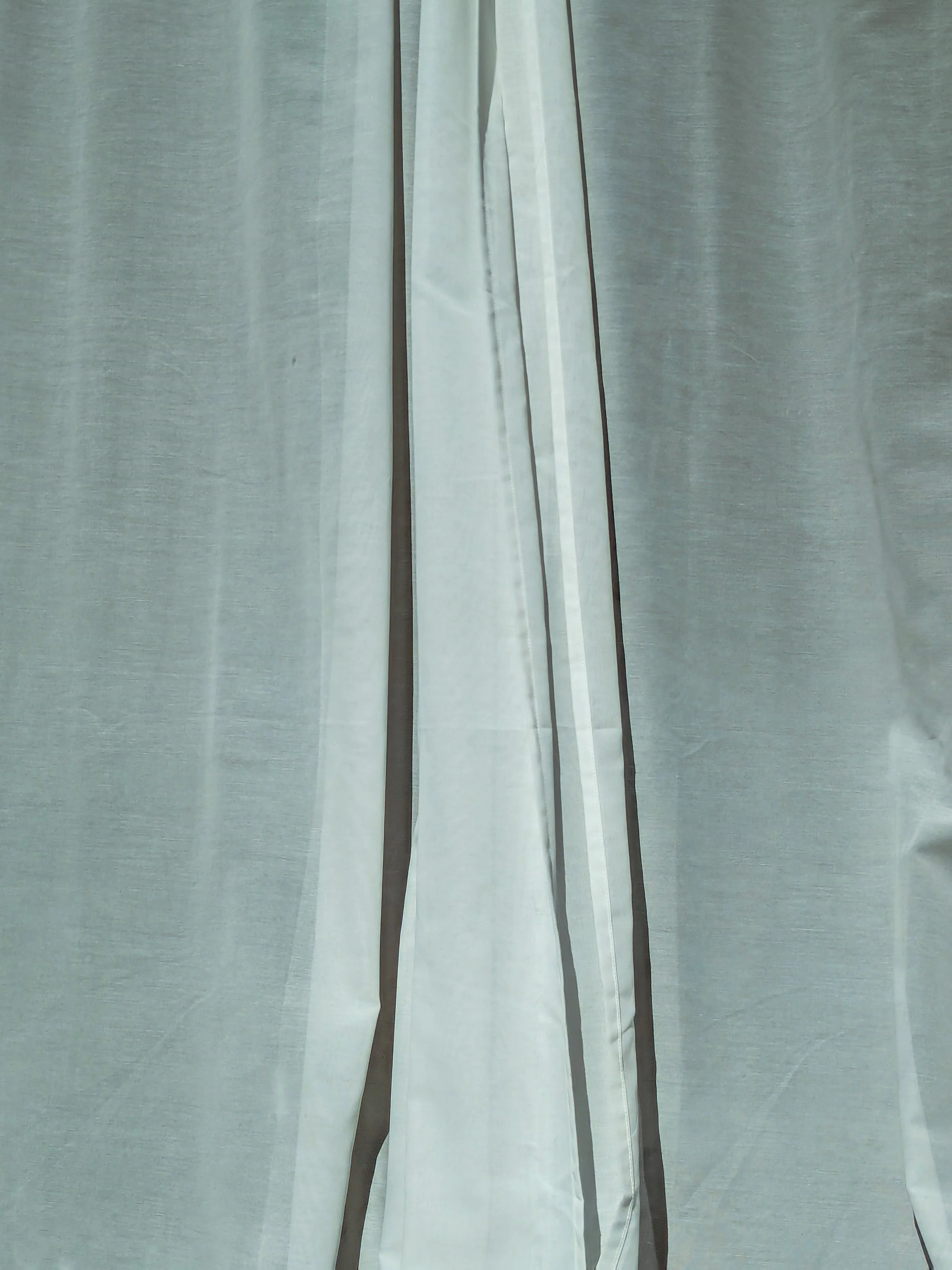
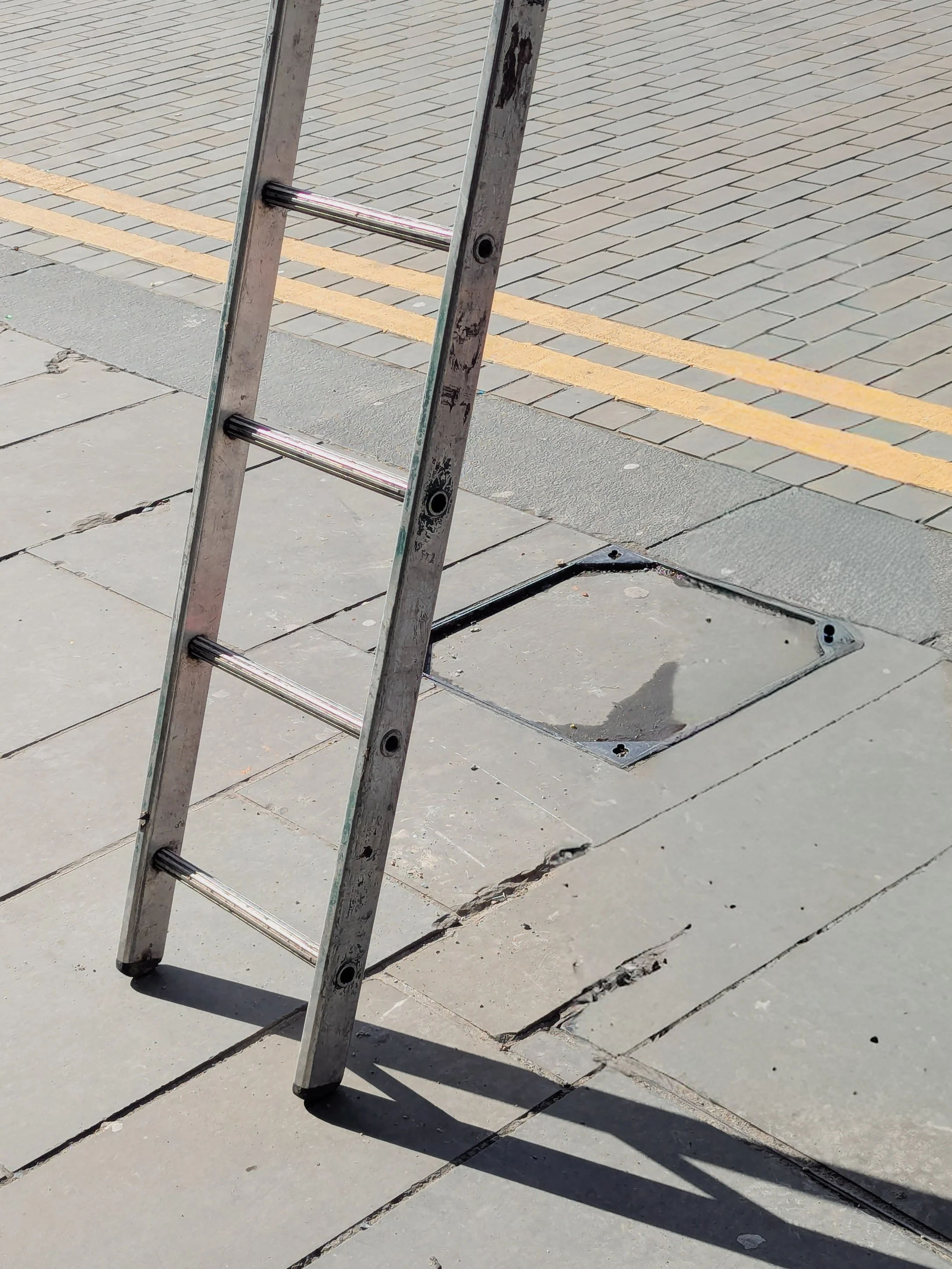
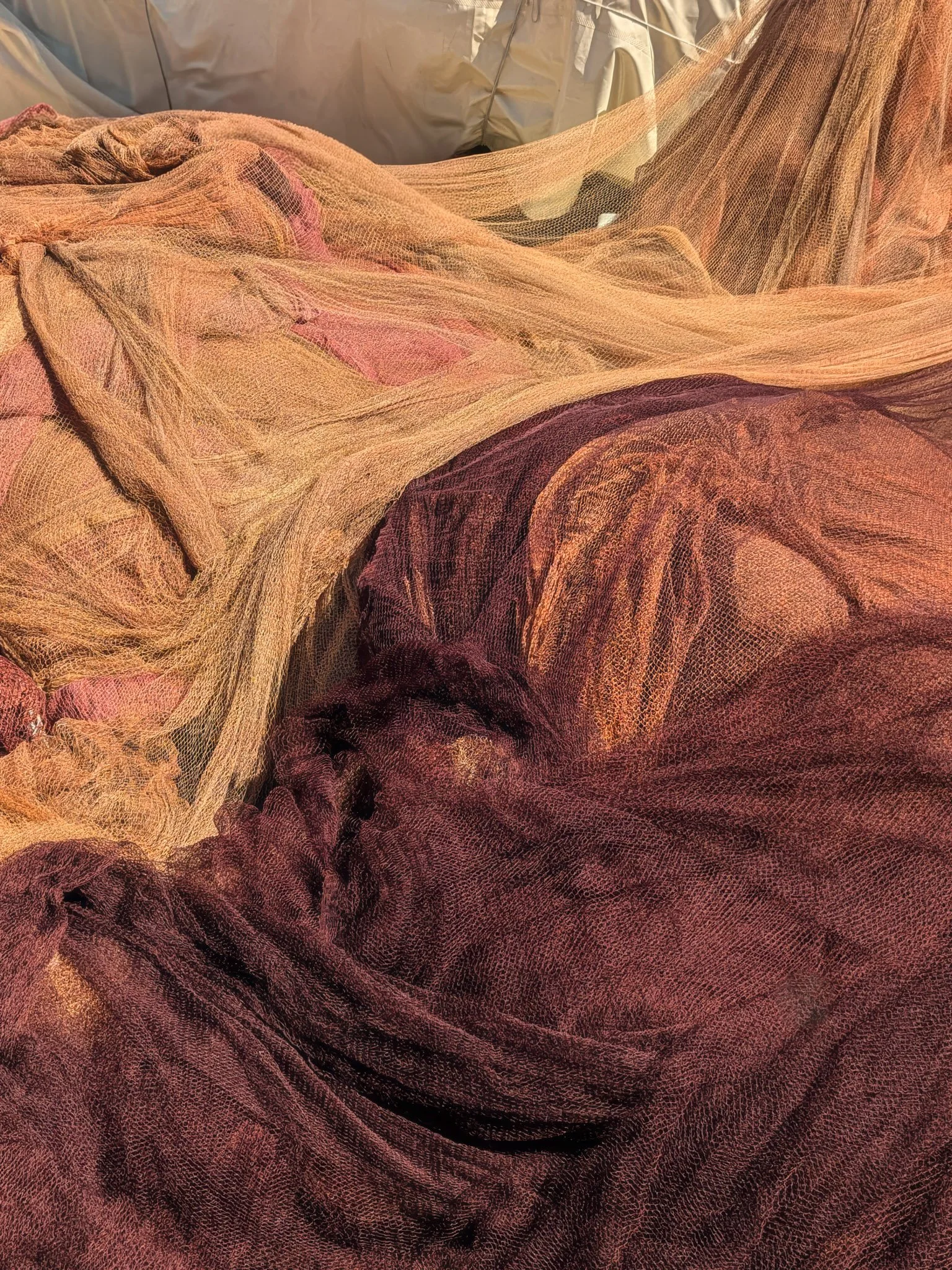
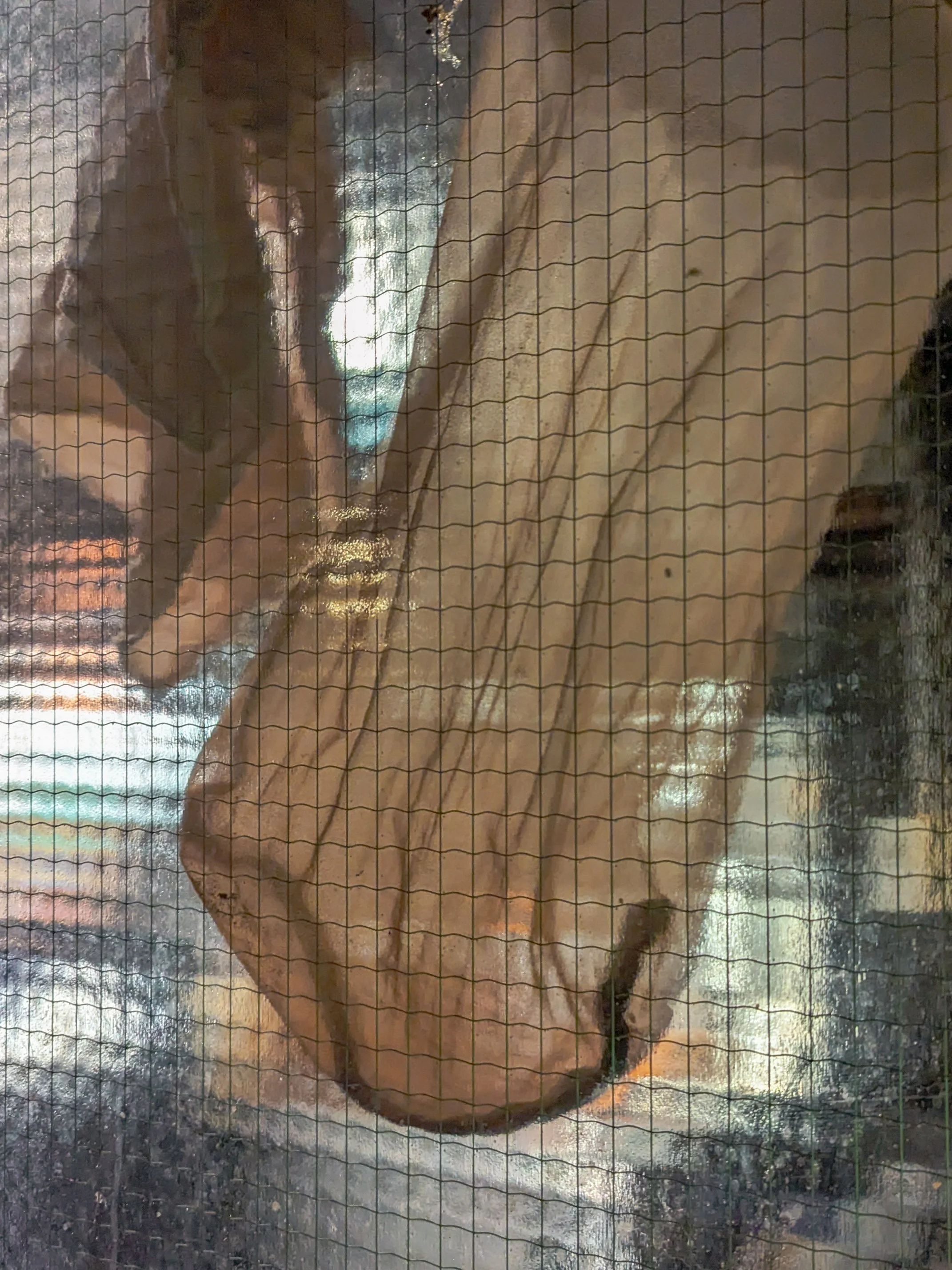
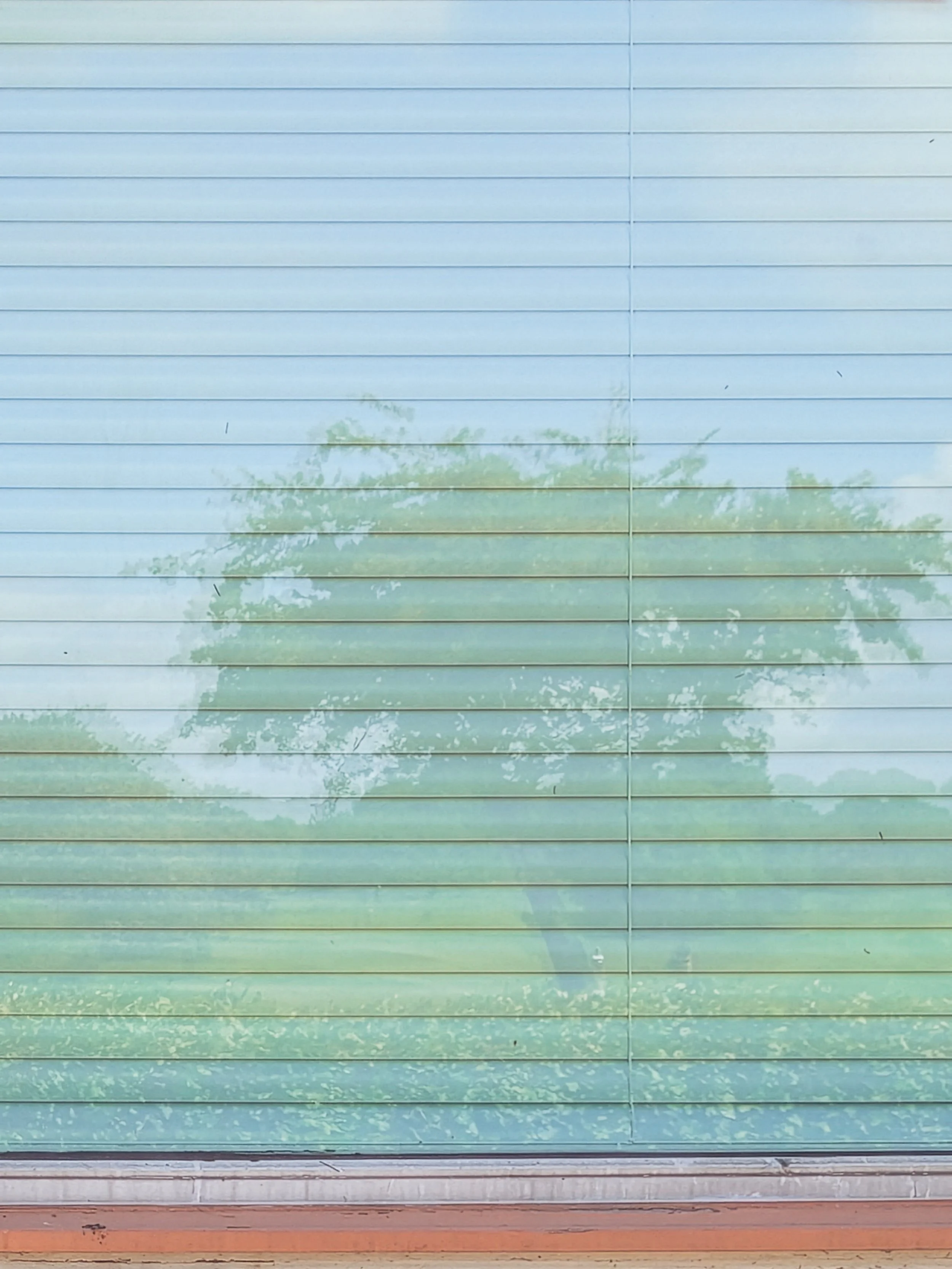
Acts of Attention is an ongoing photographic project made entirely with a mobile phone, built from everyday encounters with overlooked objects, surfaces, traces and temporary events. The work attends to minor details within the environments we inhabit: covered chairs disturbed by wind, plants pushing through hard surfaces, tarpaulin under strain, marks on glass, pools of rainwater, reflected sky, curtains, stray light and fragments of the street. These are not scenes of spectacle, but moments that might ordinarily be passed over, stepped around, looked through or forgotten.
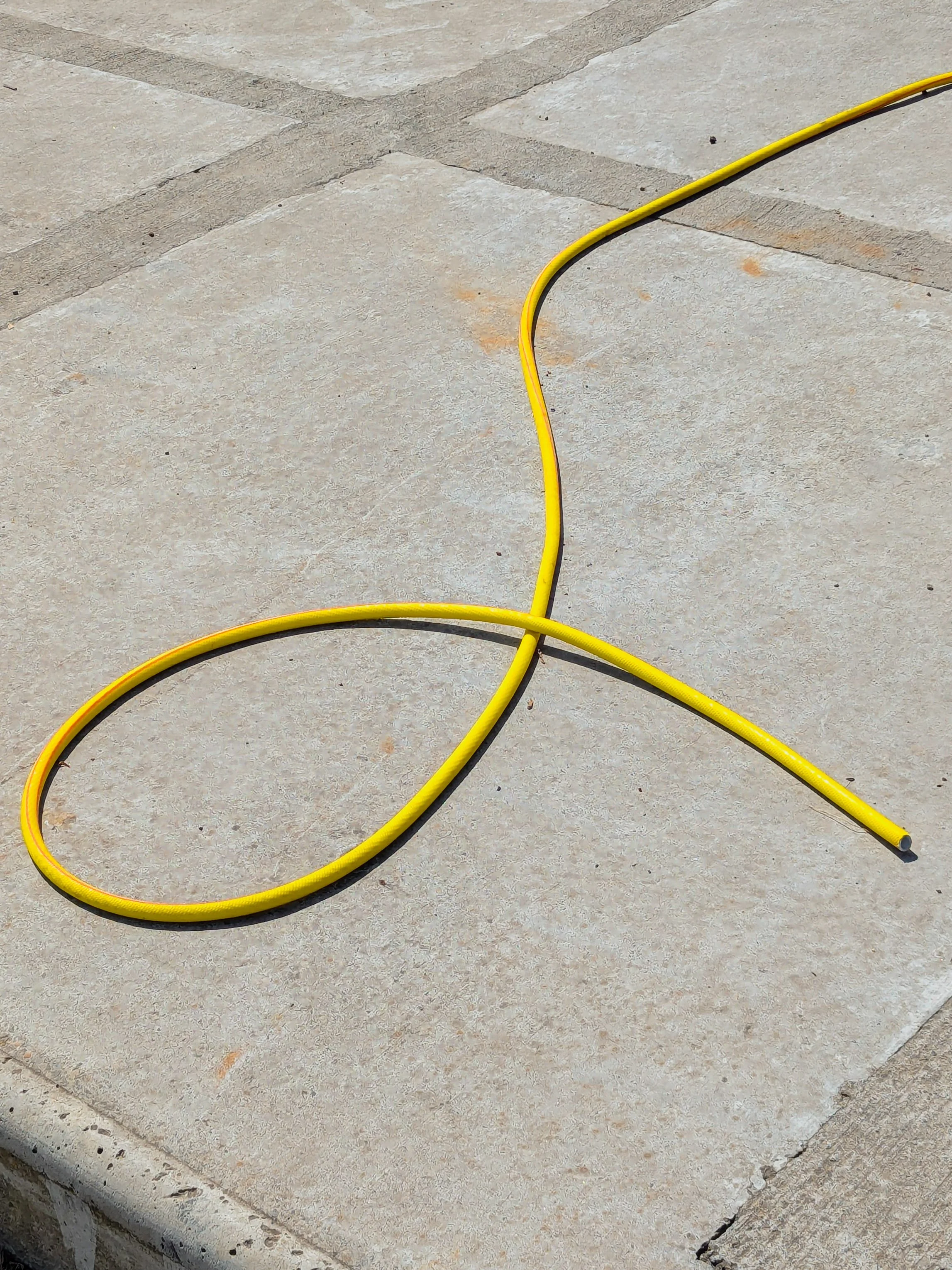
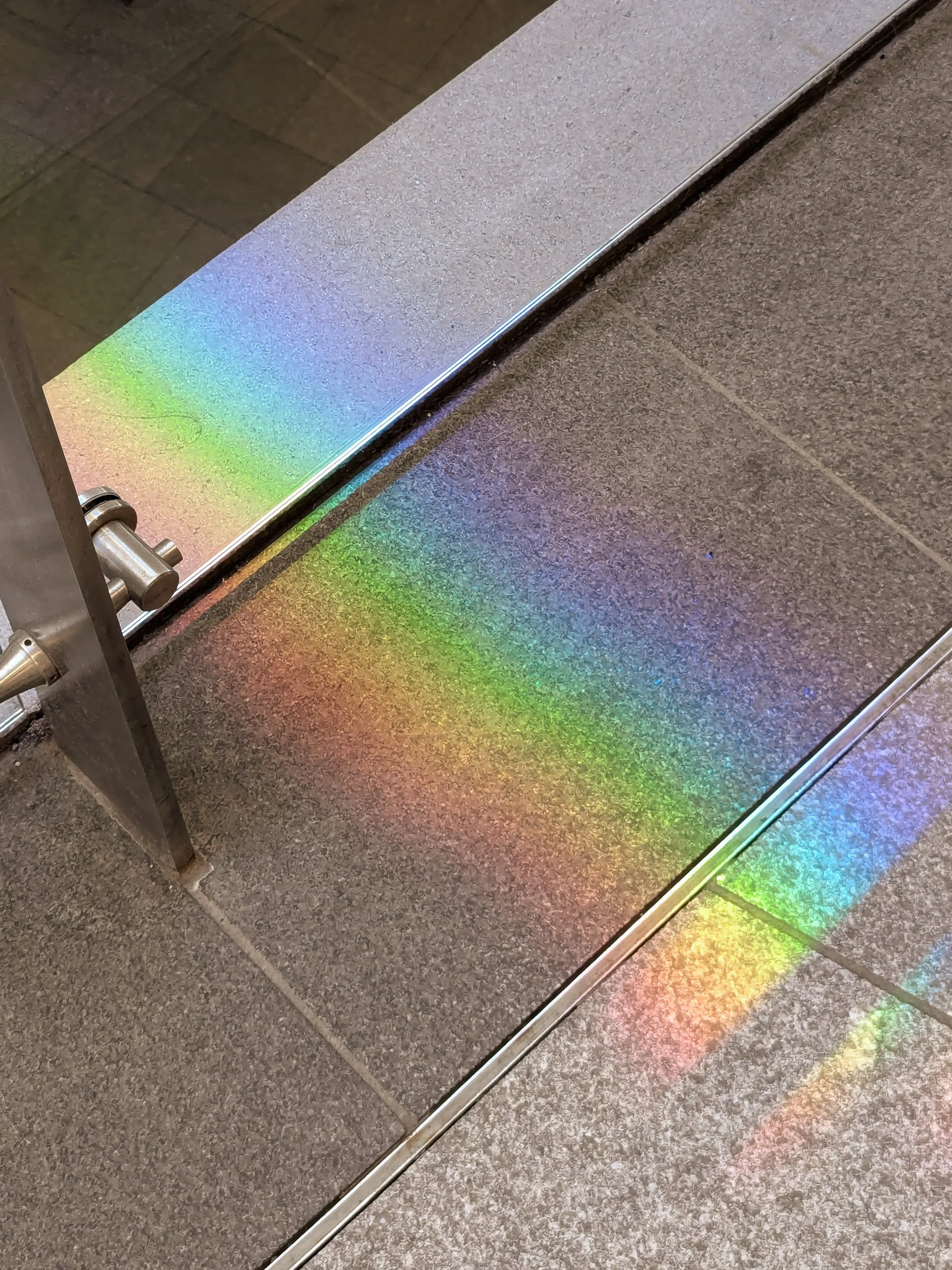
The project begins from the belief that attention is not passive. To look carefully is to make a choice about what is allowed to matter. In a culture shaped by visual excess, acceleration and distraction, Acts of Attention proposes slow looking as a form of quiet resistance. Rather than escaping the ordinary, the photographs remain with it until its meaning begins to shift. A plastic covering becomes a veil. A hose becomes a line drawing. Rainwater becomes a temporary world. Sunlight passing through glass reveals a spectrum normally hidden within white light. Through framing and sustained attention, the incidental becomes charged with presence.
At the centre of the project is a simple question: what makes something worthy of being photographed, and who decides which images deserve sustained attention? The work considers how value is assigned within photography, both to subjects and to the tools used to represent them. It asks whether an image needs an exceptional subject, specialist equipment or technical distance in order to be taken seriously, and what might be revealed when those assumptions are removed.
The mobile phone is therefore not simply a convenient camera but part of the project’s conceptual framework. It is the defining image making device of contemporary life, embedded within a culture of constant production, circulation and rapid consumption. Associated with immediacy, distraction and disposability, the phone is used here against that prevailing logic. The same device through which images are endlessly produced and discarded becomes a means of slowing down and paying attention. Acts of Attention asks whether the technology most closely associated with accelerated looking can also become a tool for resisting it.
This places the project between conceptual and post documentary photography. Its images begin with unconstructed encounters in the world, but their purpose is not primarily evidential or descriptive. Instead, everyday reality becomes material through which to consider perception, value and our relationship with the environments we inhabit. The work also enters a wider contemporary discussion around mobile photography and the hierarchies that continue to separate professional and vernacular image making, questioning why seriousness in photography is still so often associated with particular cameras, processes or forms of technical authority.
The project draws upon a lineage of artists and writers who have treated ordinary experience as a site of sustained enquiry. Georges Perec’s writing on the infra ordinary provides an important conceptual reference: his call to examine what happens when nothing appears to be happening. William Eggleston and Stephen Shore demonstrated how apparently uneventful subjects could carry formal, social and psychological weight, while Uta Barth’s attention to peripheral vision, light and the spaces between conventional subjects offers a particularly important precedent for thinking about photography as an act of perception rather than simply description.
As a work in progress, Acts of Attention remains deliberately open and accumulative. It is less a closed narrative than an ongoing method of looking, responsive to what gathers at the edges of function, use, weather, neglect and light. Its questions remain equally open: What do we fail to see because we have learned to consider it insignificant? How does sustained attention alter the meaning of an ordinary thing? Can photography resist the speed and disposability of contemporary image culture while using the very device that has helped produce it?
At its core, Acts of Attention argues that the everyday is not empty. It proposes attention as both a photographic method and a way of reconsidering our relationship with the world already around us: a quiet refusal of indifference, and a belief that what is already here can still be seen again.