
The Stillness Between
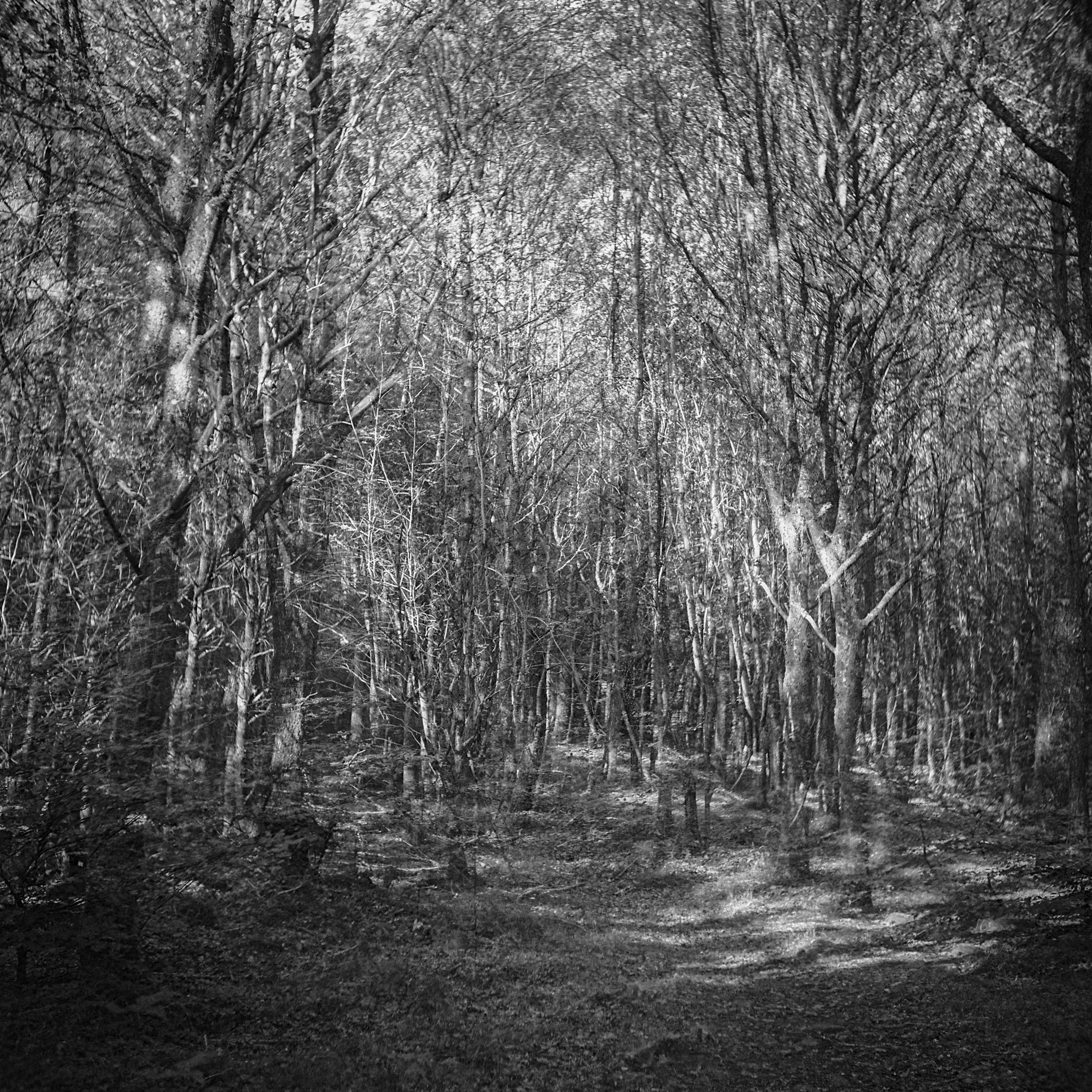
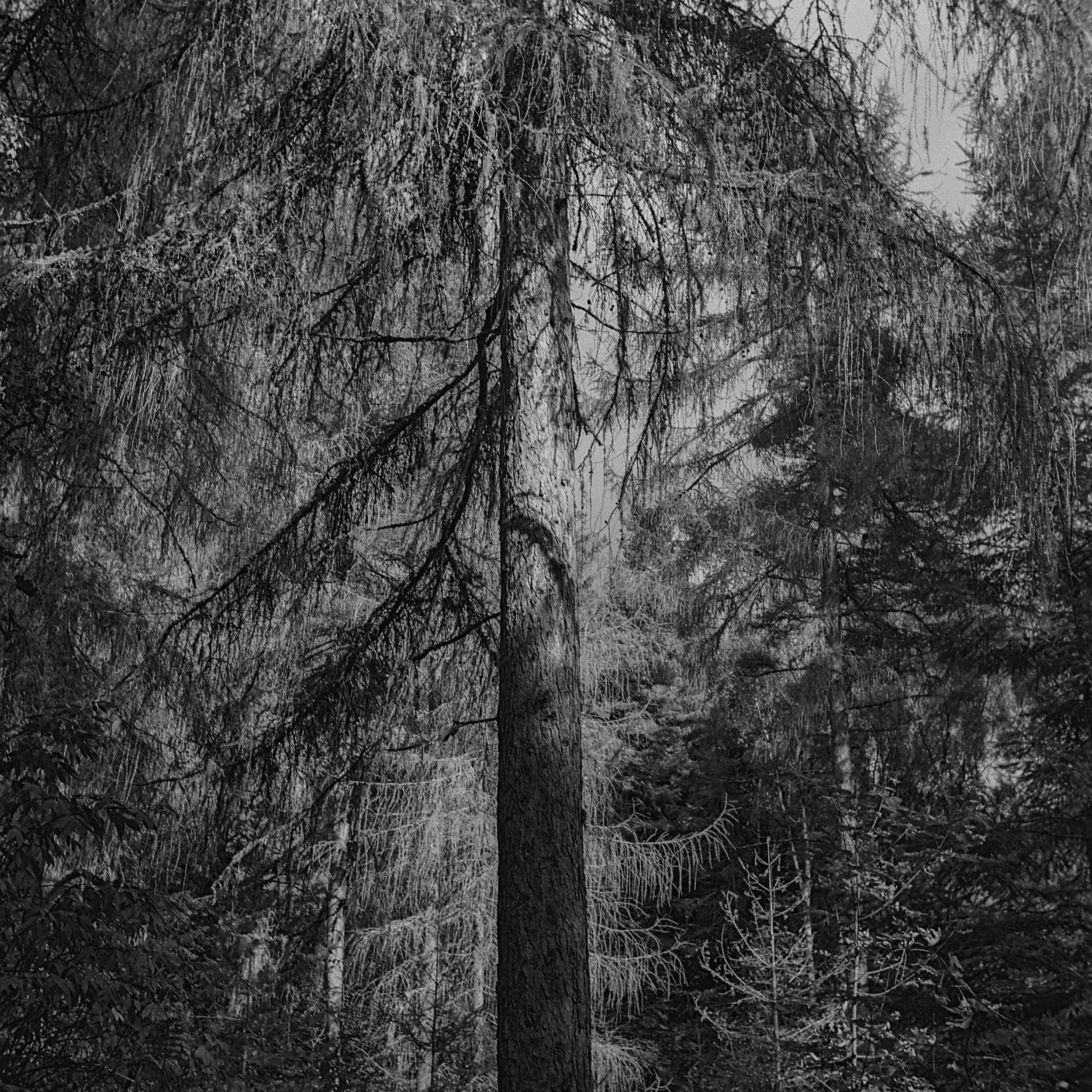
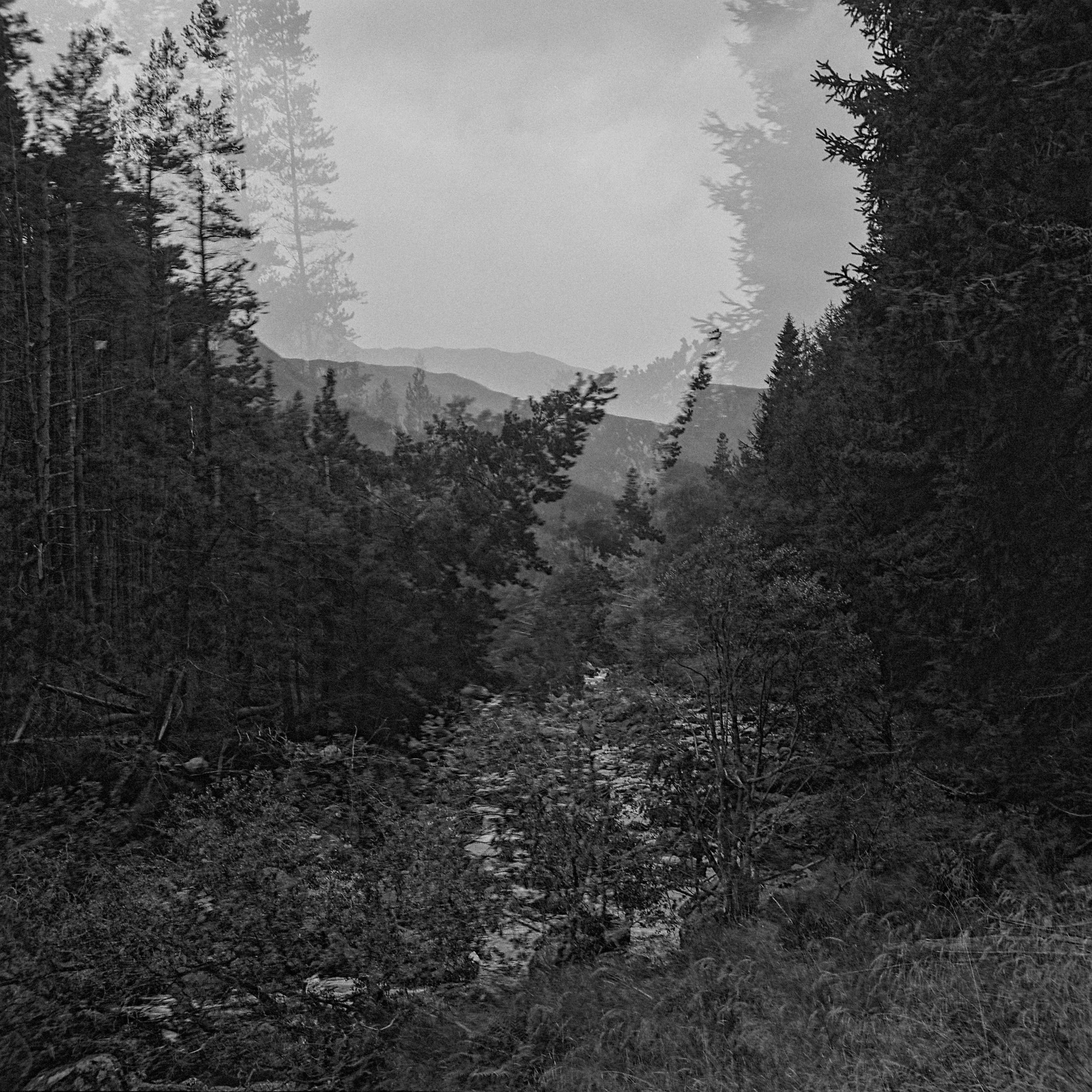
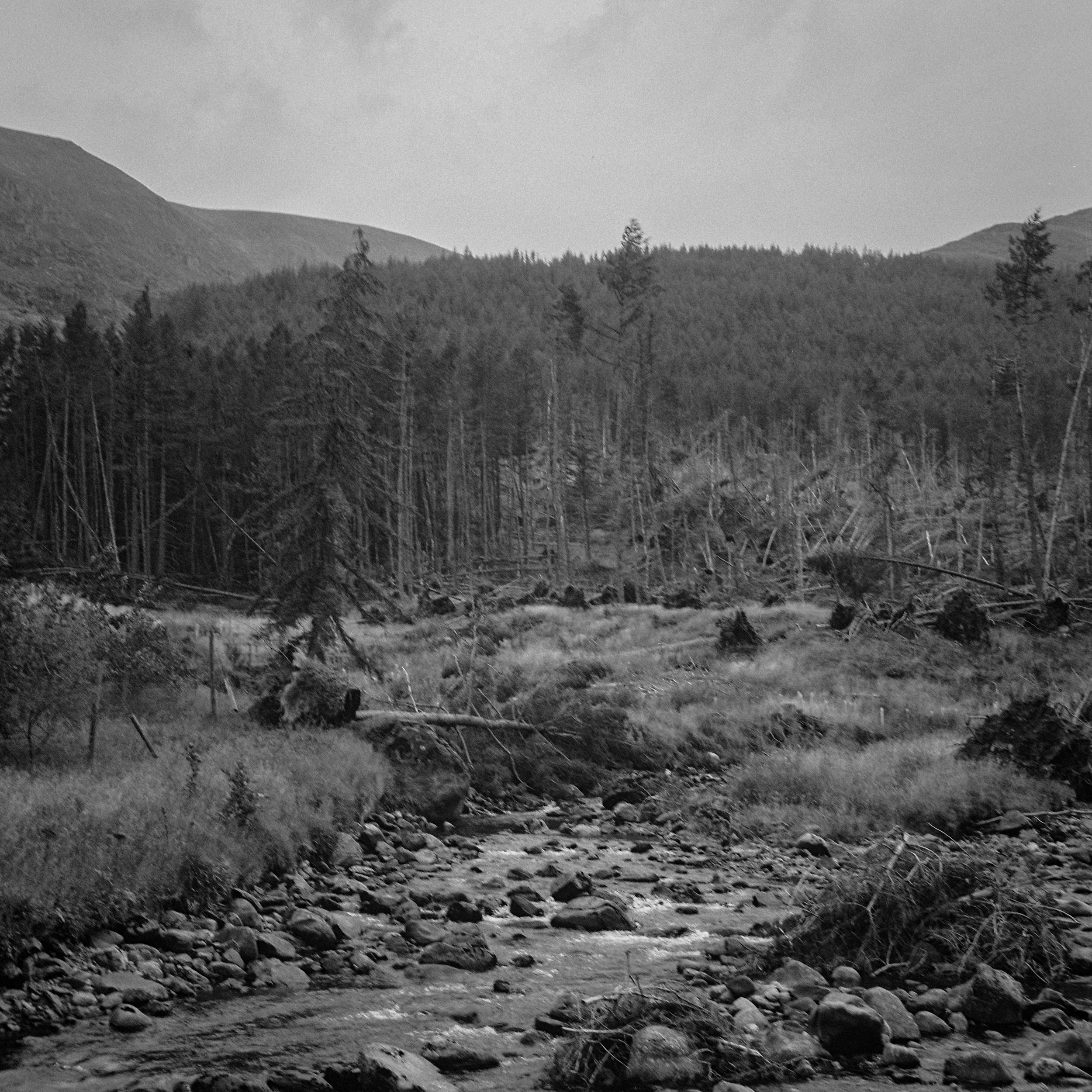
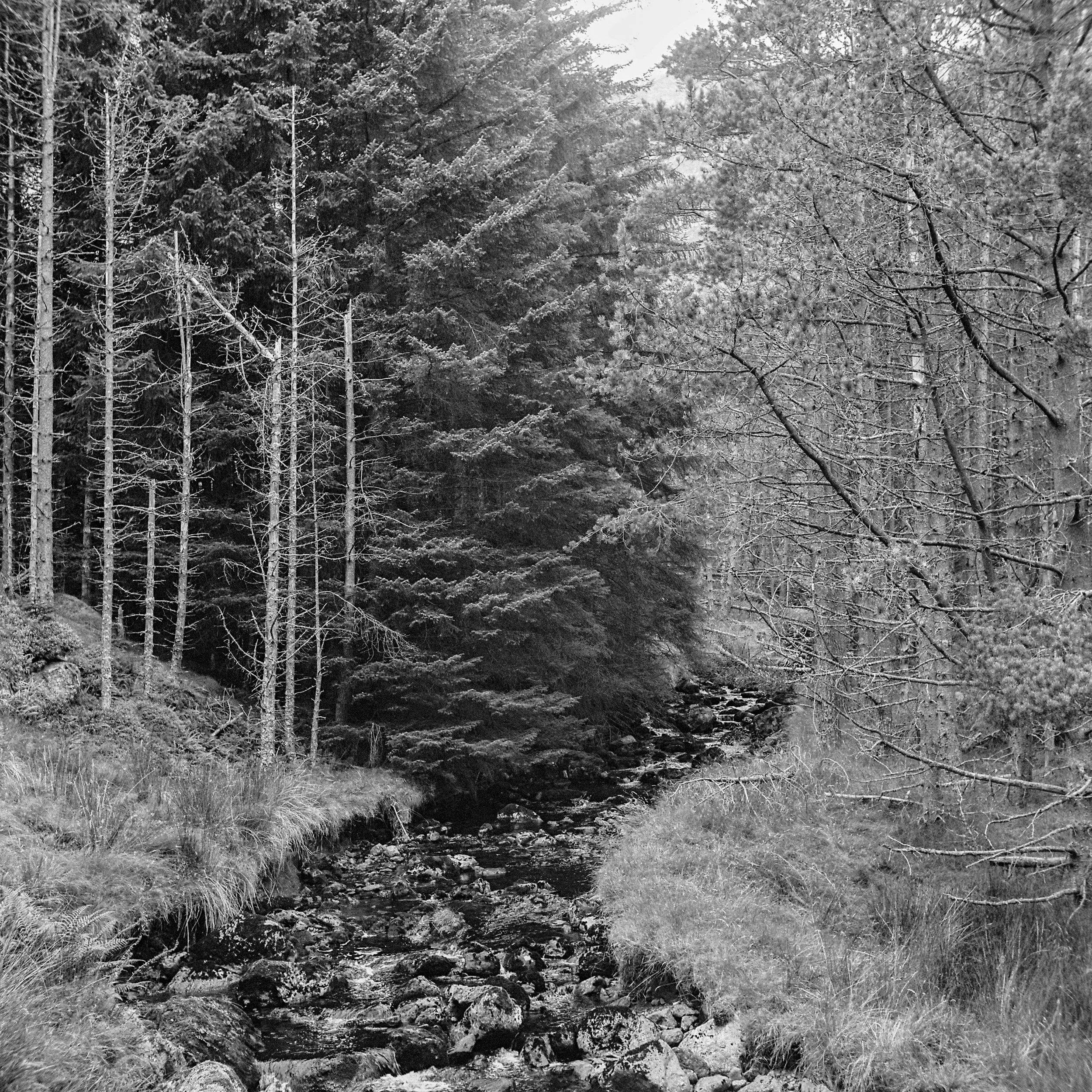
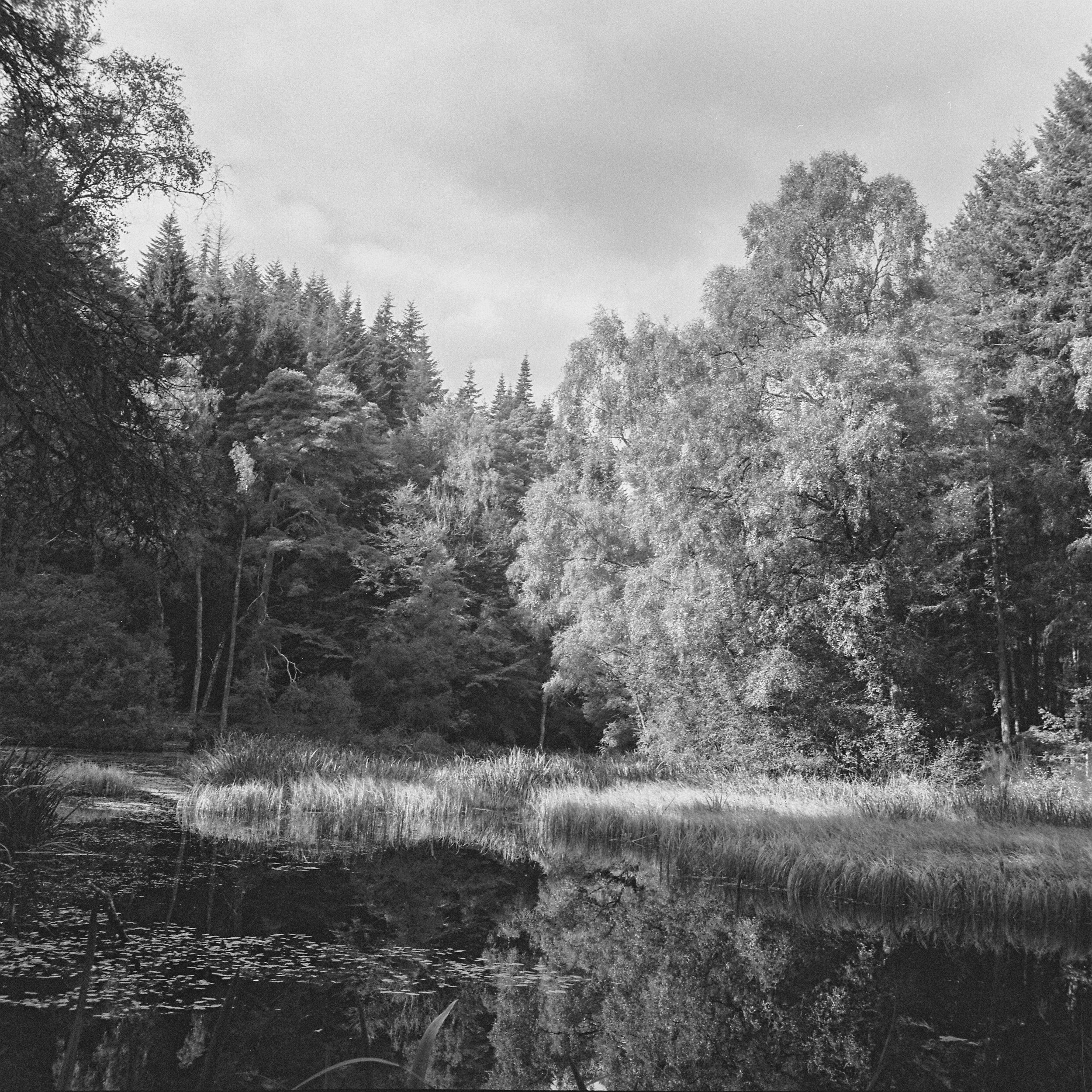
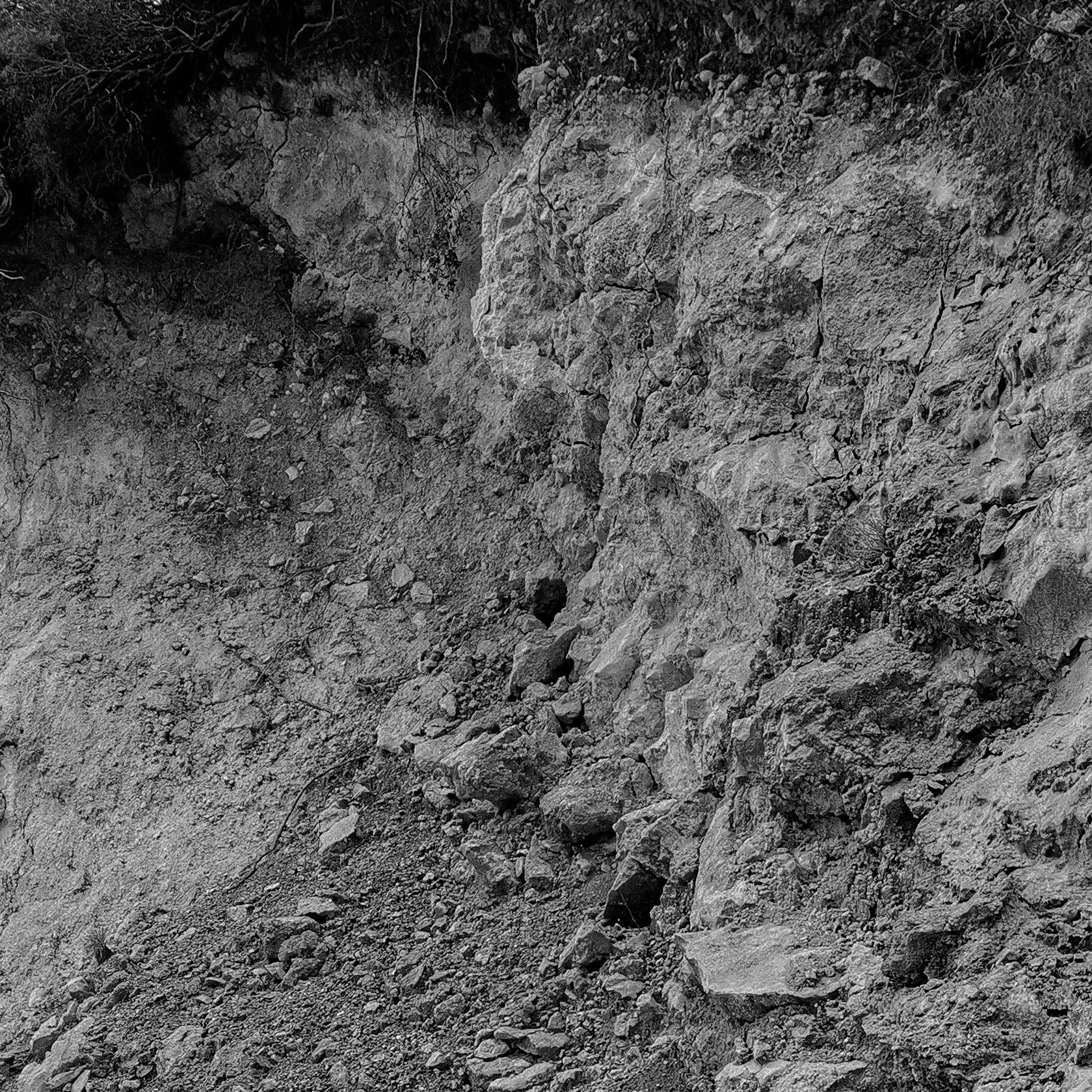
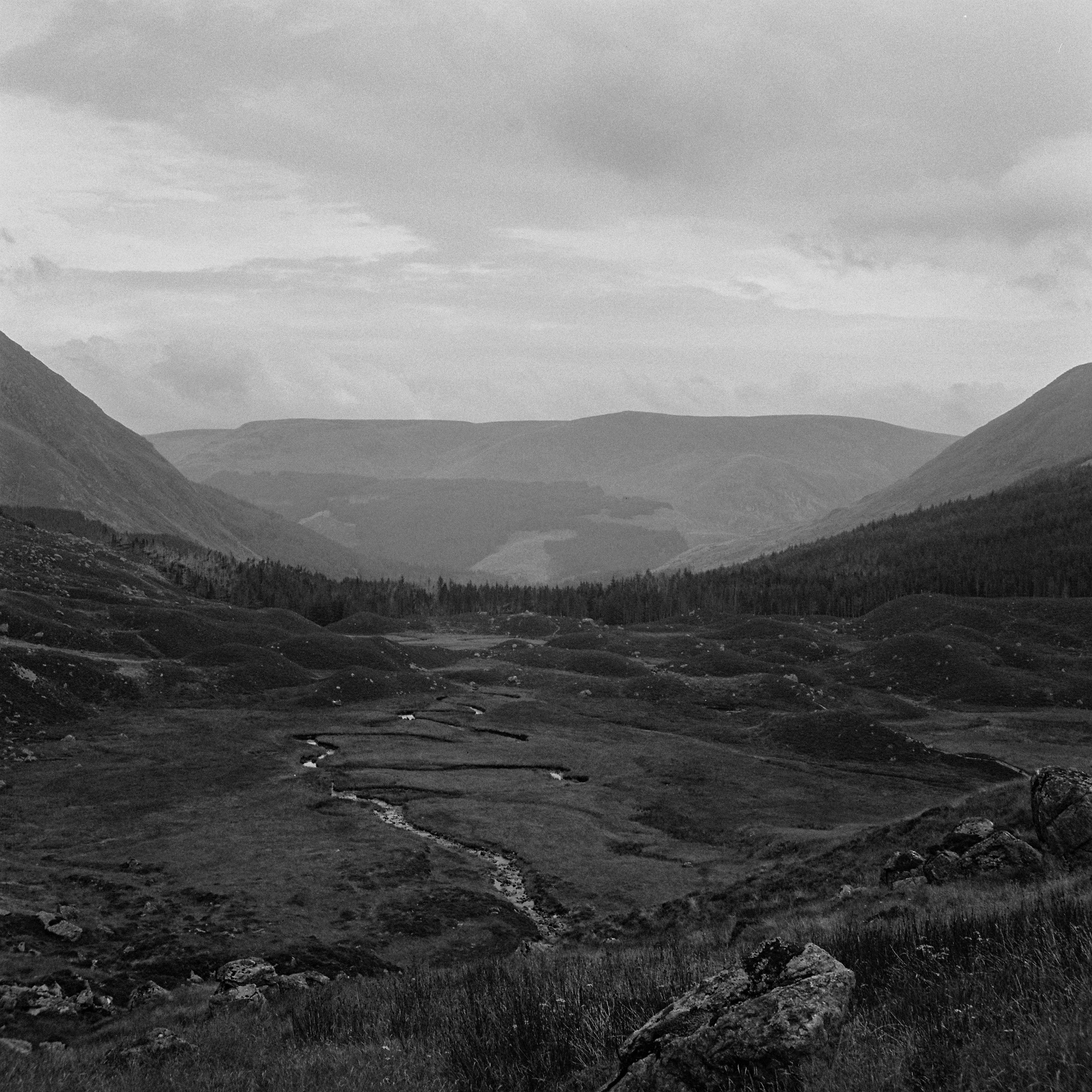
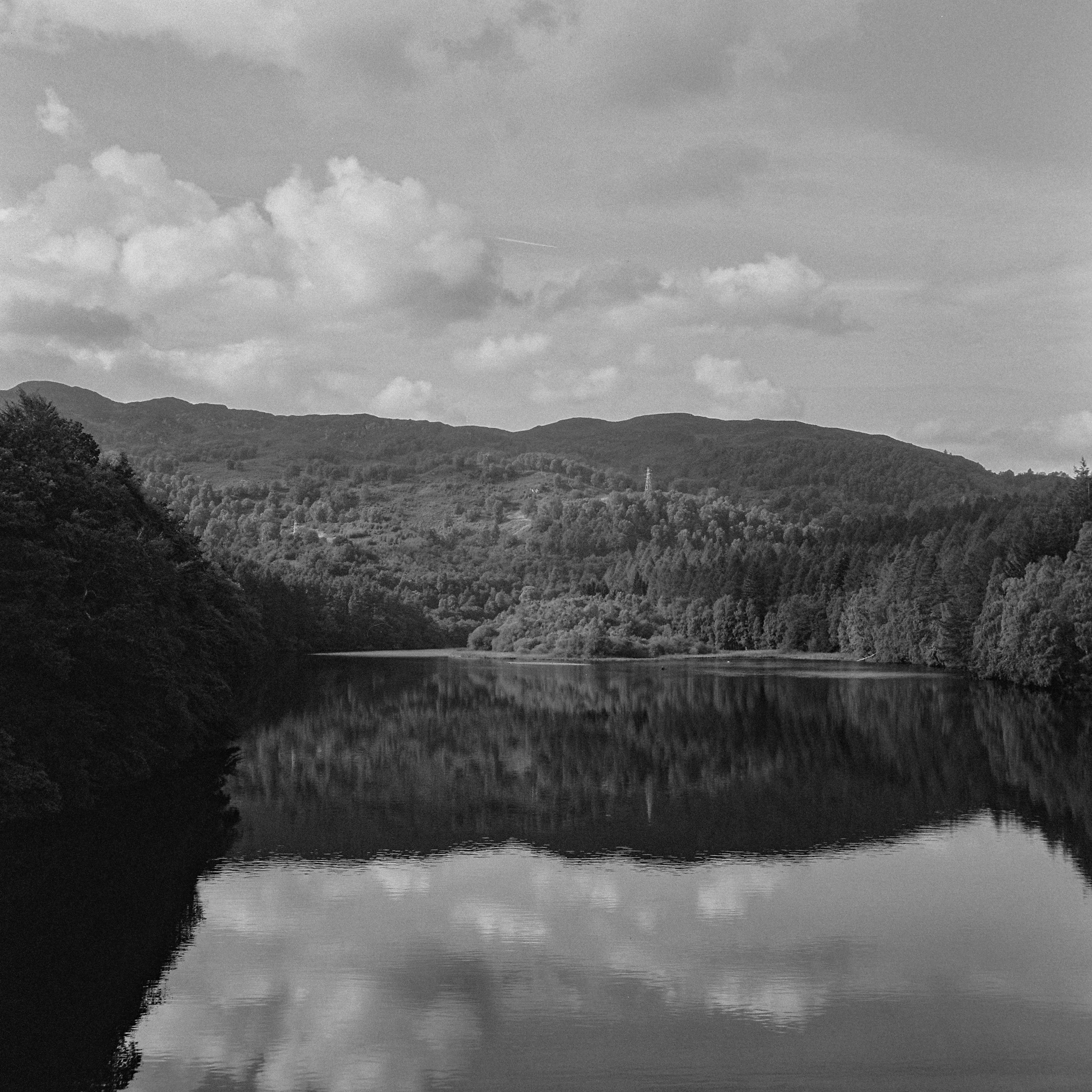
This series of black and white images explores the way nature and self become layered through time, memory and perception. Created using a 1963 Yashica LM Mat on 120mm film, the work follows a slow journey through Scottish landscapes including Faskally Forest, Corrie Fee and Ben Aan. These are places where stillness gathers and where attention becomes a way of understanding the land.
Some of the thinking behind this project is shaped by the ideas of Alan Watts, the philosopher and speaker known for translating Eastern ways of understanding into accessible reflections on the nature of reality. Watts reminds us that all sensory experience arrives in pulses, and that it is the quiet space between these pulses that reveals what is constant, what connects, what belongs to nature itself. In this sense the pause is as important as the movement. The silence between waves is where the world gathers itself.
The photographs are therefore not only images of landscape but also studies of presence. They are an attempt to listen to the forest, the water, the shifting patterns of light that pass through a place. Each frame becomes a small record of attention, a way of noticing how we do not enter the world from outside but rise from it, as Watts suggested. We are nature looking at nature.
Working slowly with medium format film allowed each image to accumulate moments rather than capture a single instant. The occasional double exposures create layers of time pressing together, echoing the natural rhythm of wave and pause, rise and rest. This process mirrors the way memory forms: not as one clear event, but as overlapping traces.
In this way stillness becomes something active rather than empty. The stillness between waves, breaths, thoughts and images is where connection is felt most strongly. It is where the difference between observer and landscape begins to soften, and where the boundaries between self and world become less certain.
The Stillness Between invites the viewer to consider what remains when clarity slips away, and how we might recognise ourselves not as separate from the natural world but as expressions of it. It is a meditation on vibration, silence and the continual movement between what appears and what endures.
-
Written alongside the photographic series of the same name, this story reflects on solitude, perception, and the quiet dialogue between nature and self.
———Words by Robby Ogilvie
He left before dawn. The path was narrow, trees leaning in, their branches holding the fog. His breath came out in clouds. Each step pressed softly into the wet ground, a dull, steady rhythm.
He walked until the light began to form, faint and grey. The mist stayed low, reducing the world to a few yards of path and moving shapes. A stream kept pace beside him, water slipping over stone. For a while, he watched it. It did not hold anything. Not even its own shape. He thought of how time slipped the same way, leaving no mark except sound.
When he reached the loch, he stopped.
The surface was still, holding the sky without disturbance. A bird touched down and moved across it, leaving only a brief trace. He sat on a flat rock, the wanderer now still, and looked towards the hills. They were only half there, as if not fully decided.
He took out his camera, holding it in his hands. The light shifted slightly. He did not raise it.
The longer he sat, the more the quiet settled. Wet pine. Frost lifting from the grass. The faint, irregular rhythm of his own breath. Time passed, but without urgency. Nothing asked to be taken.
He thought of the years that had passed without noticing such things. Cities. Environments where change was managed, held just out of reach. He could remember them. They had all felt full once, but they no longer carried any weight.
By noon, the fog had lifted. The loch lay open under a pale sky. He followed the path as it curved back through the trees.
After a while, he turned. The loch was gone. Only a shimmer of light through the branches remained. He stood for a moment longer, then walked on. The world had not changed, but he had learned, for now, to move at its pace.