





Acts of Attention
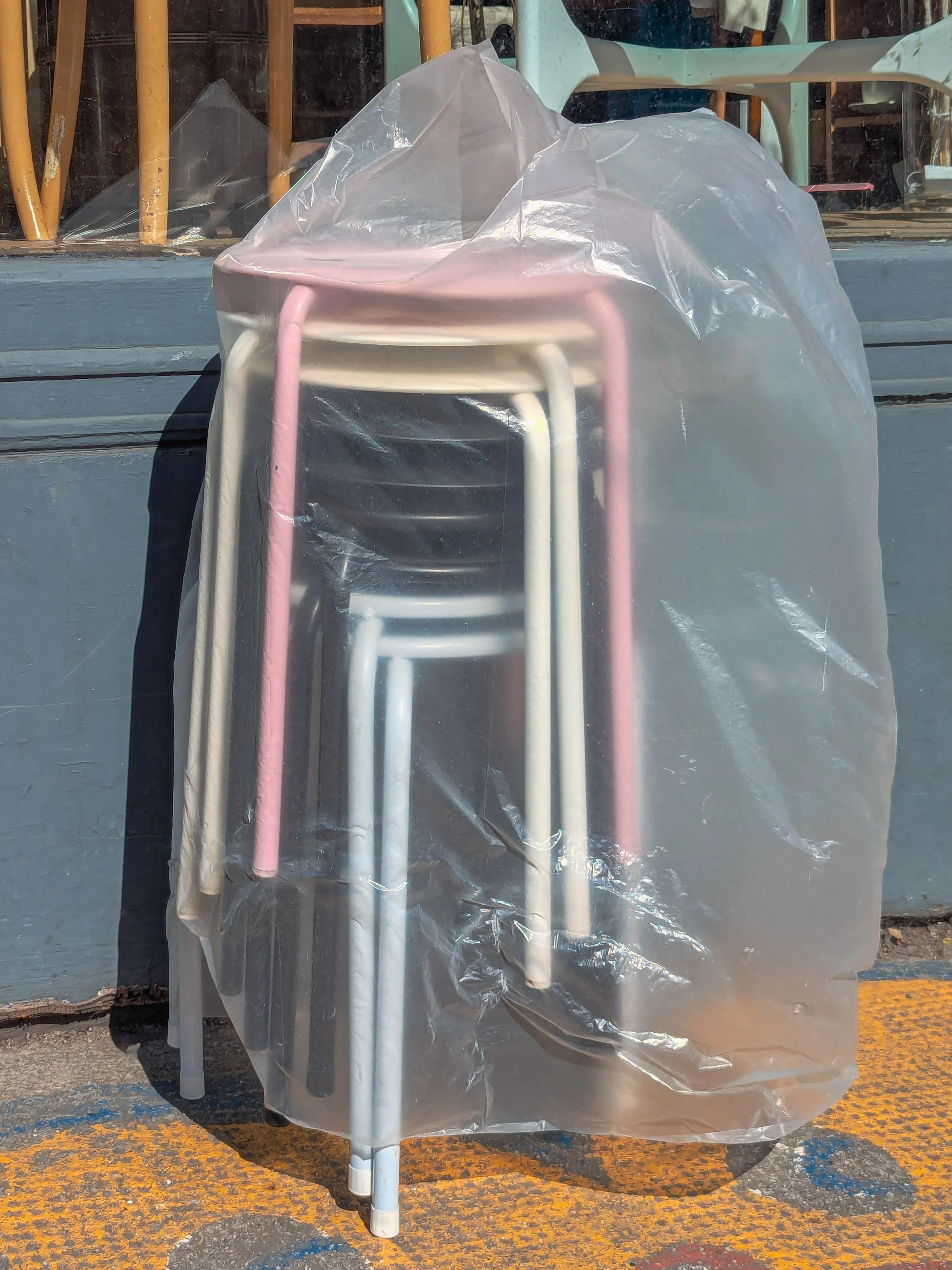
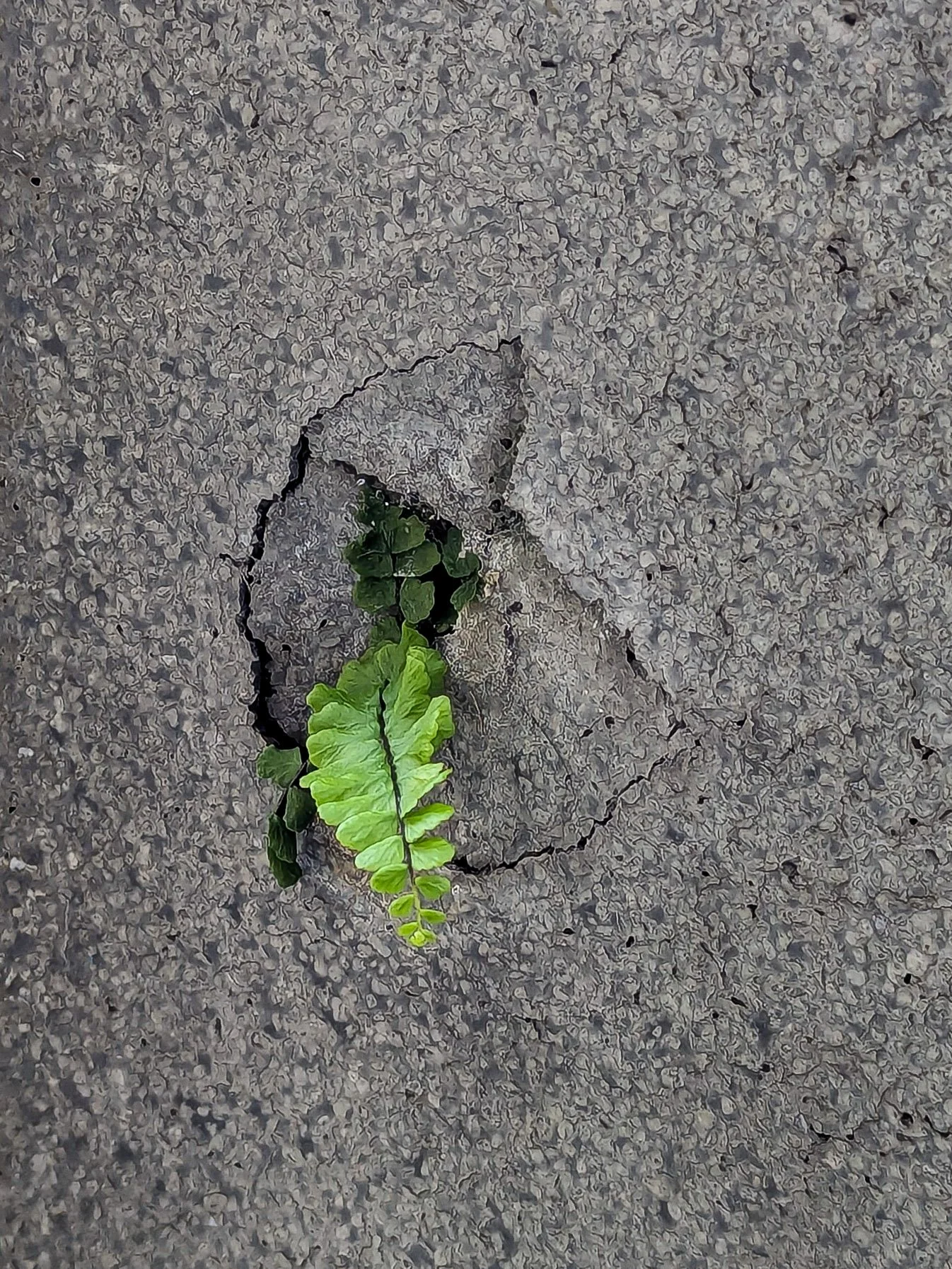
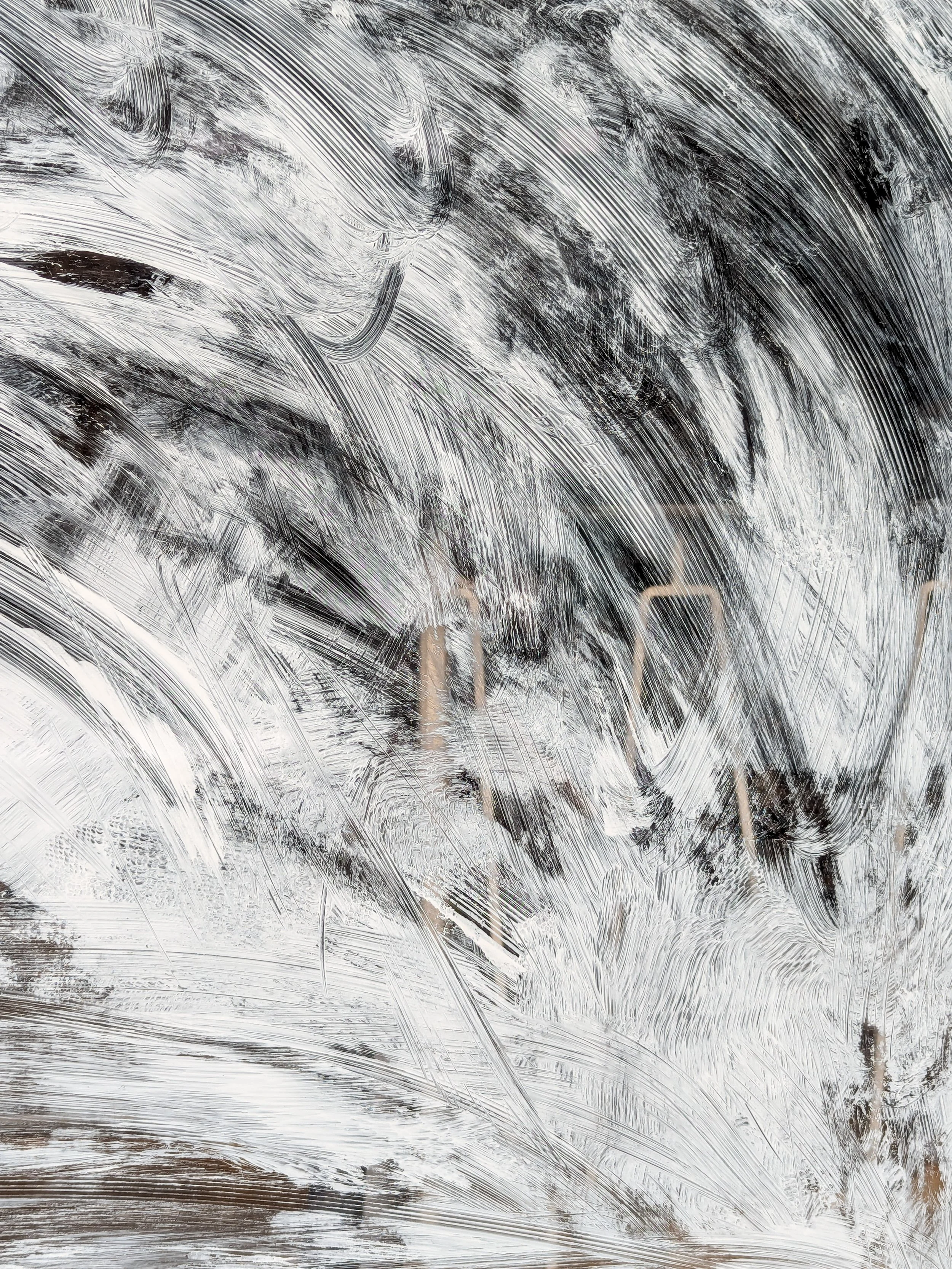
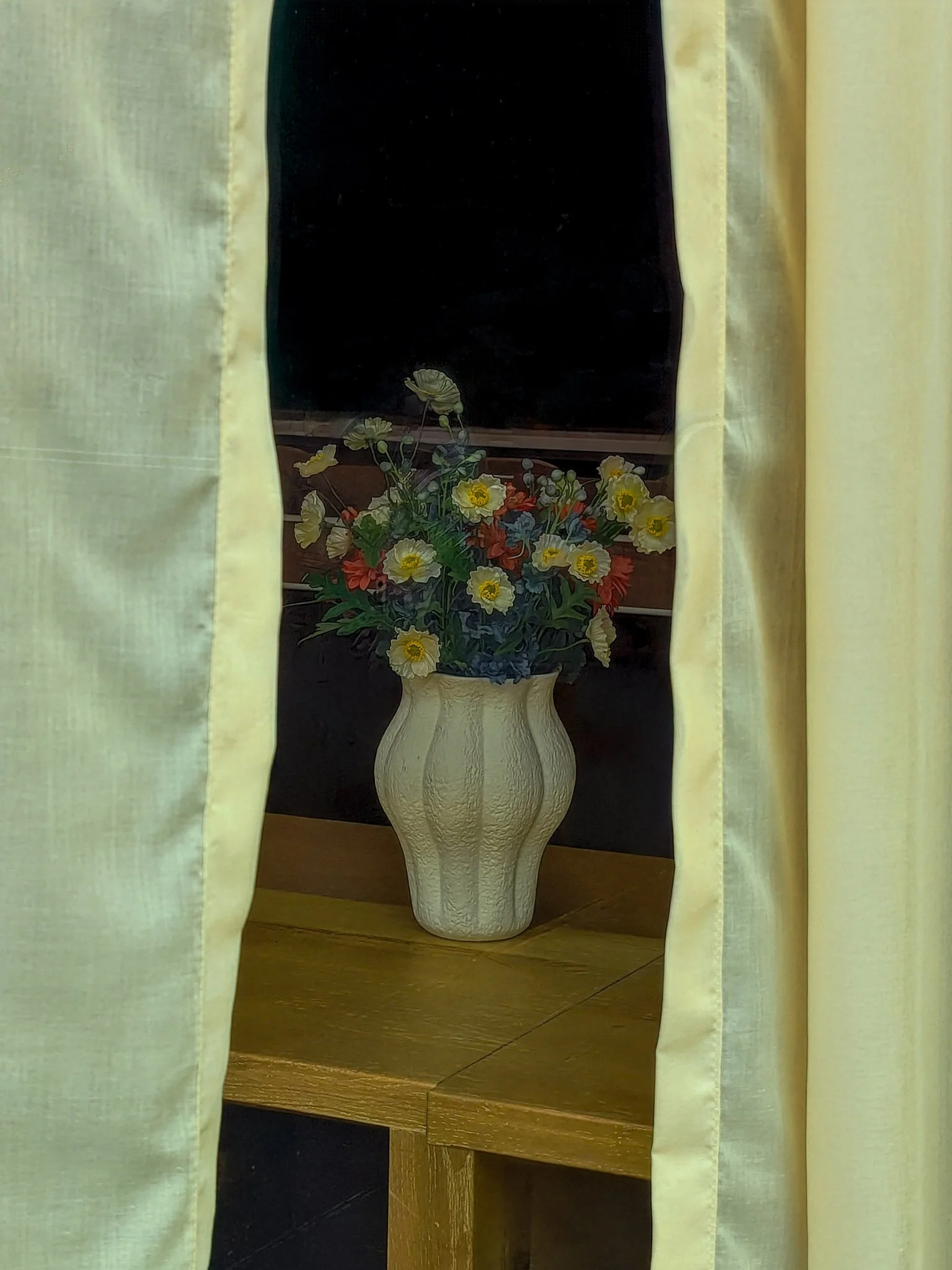
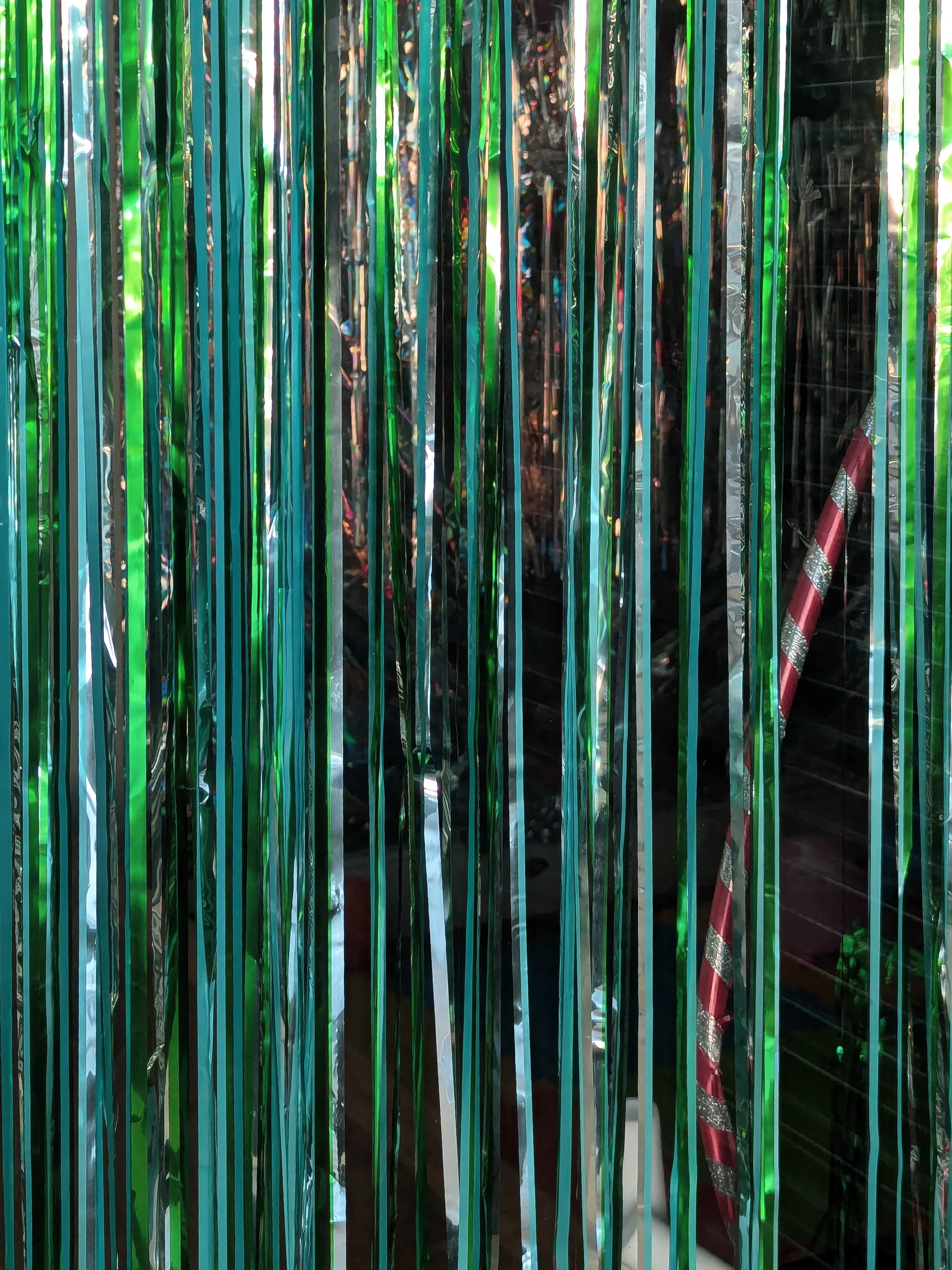
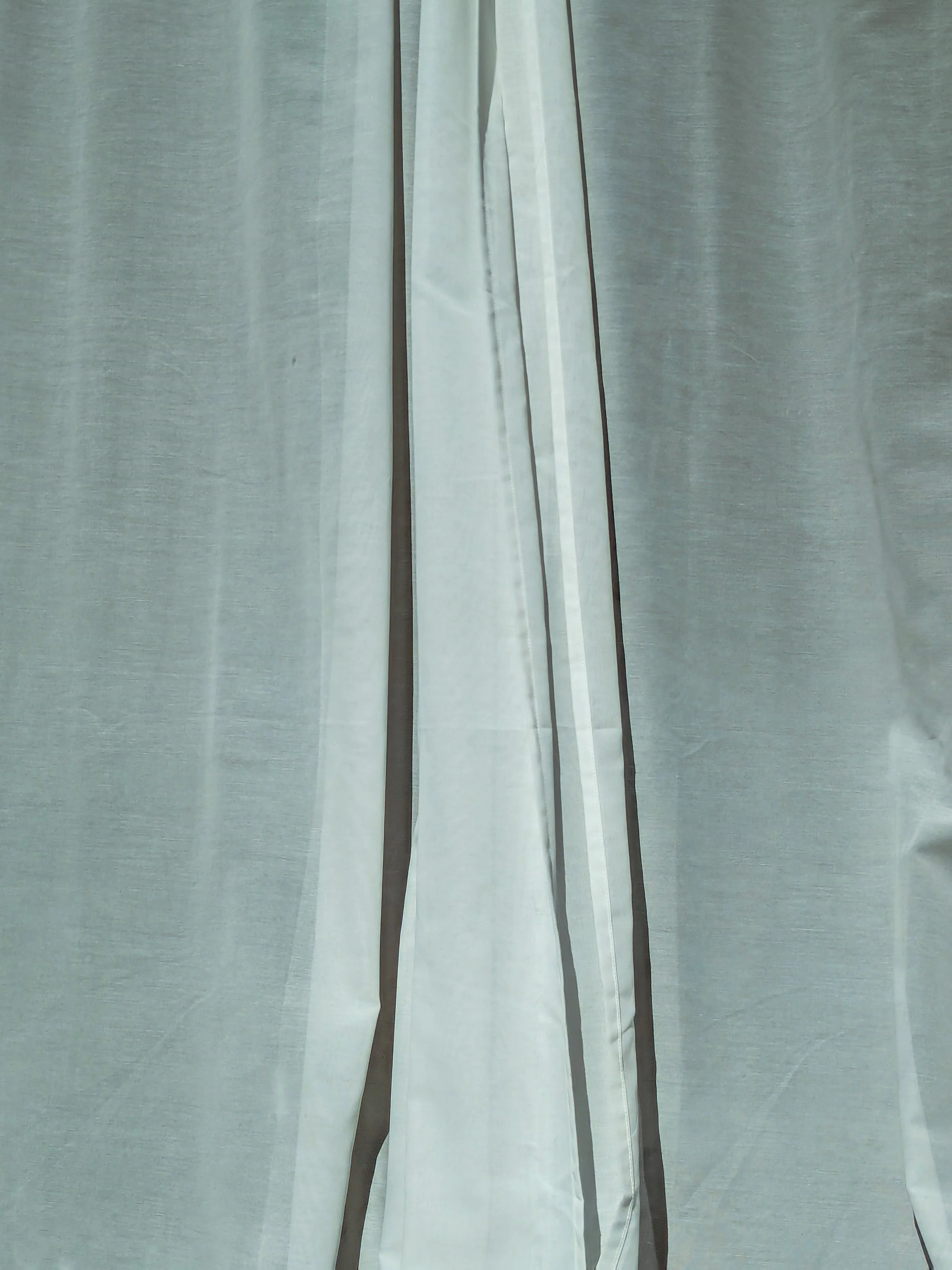
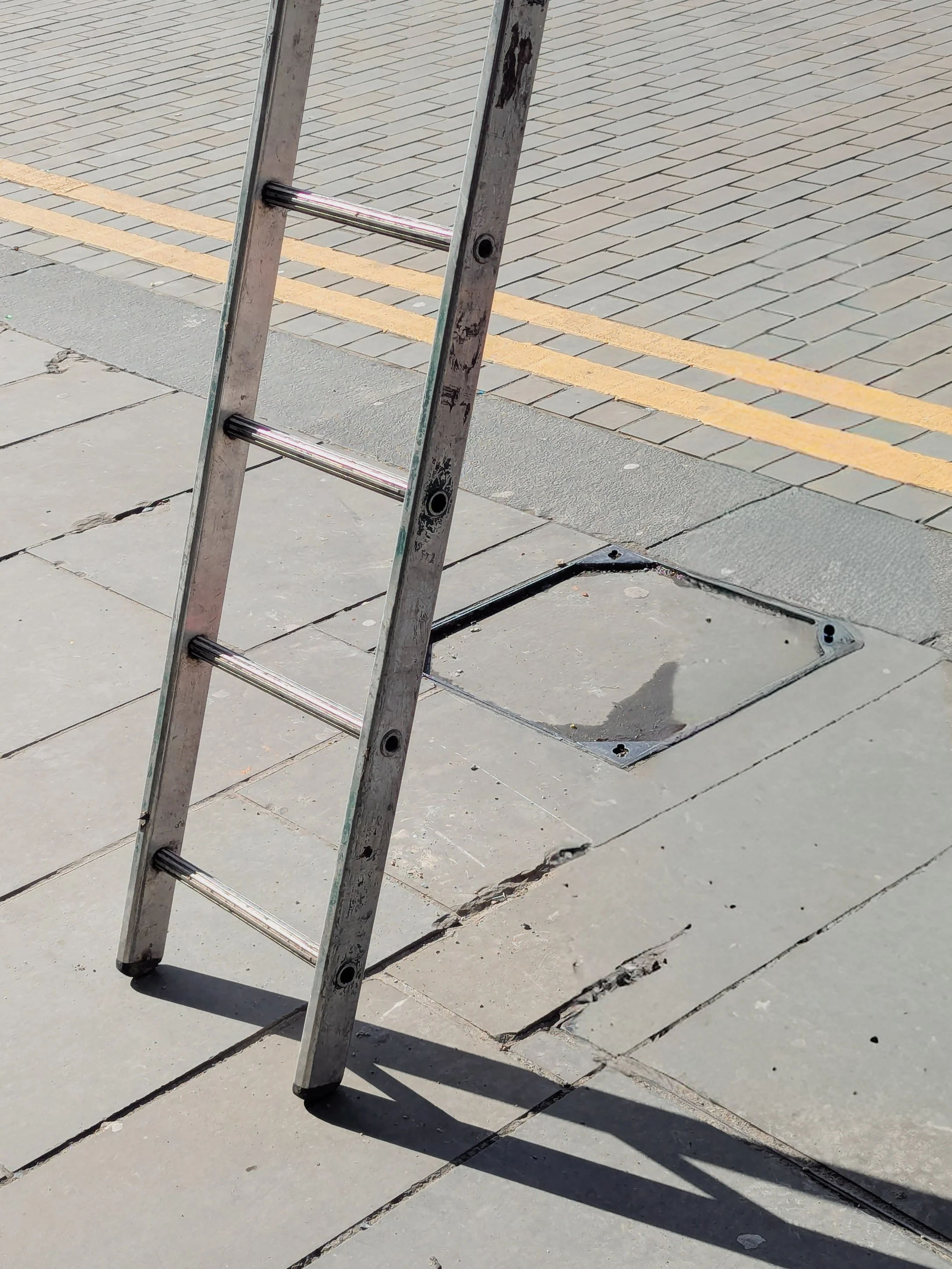
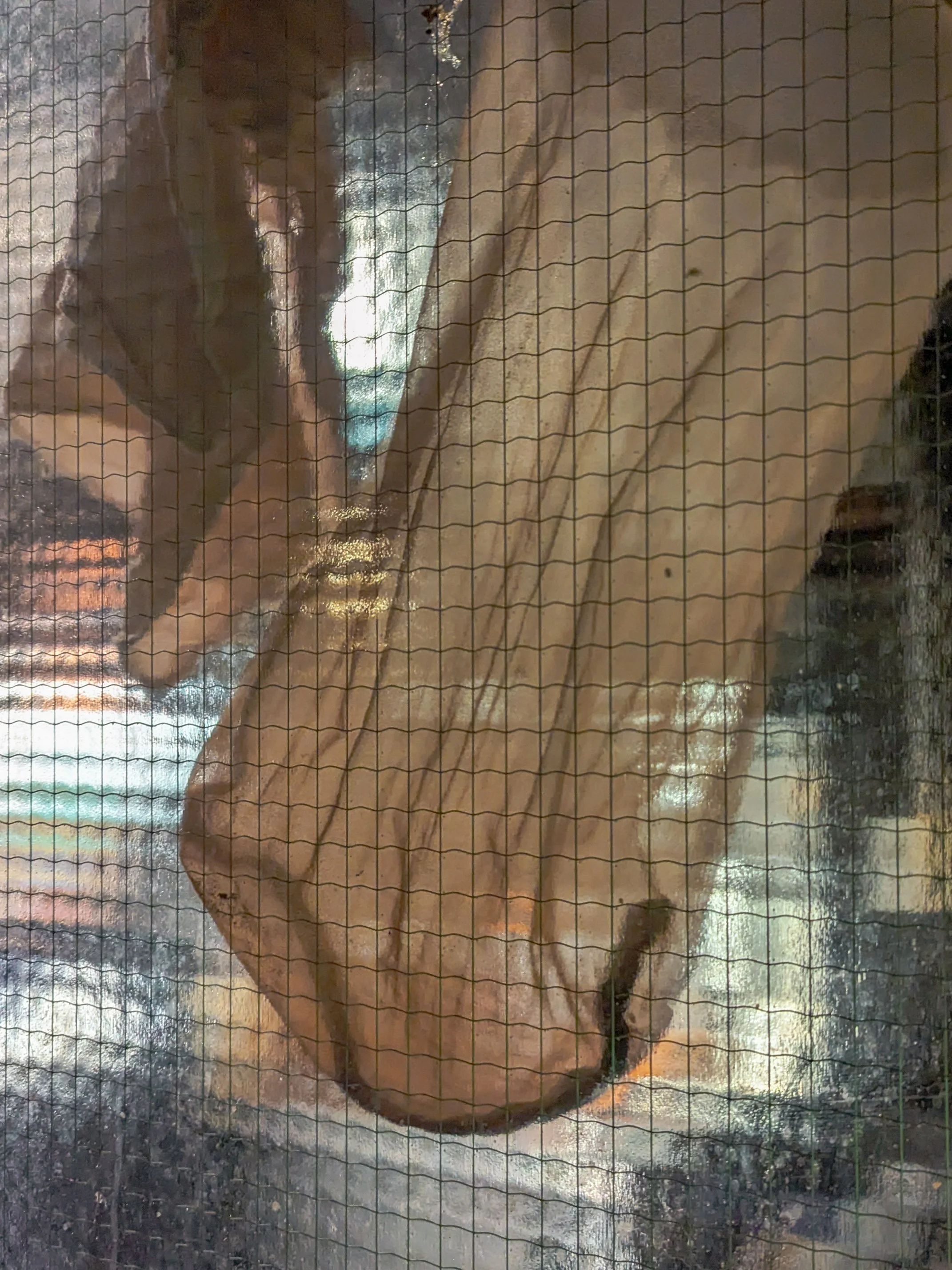
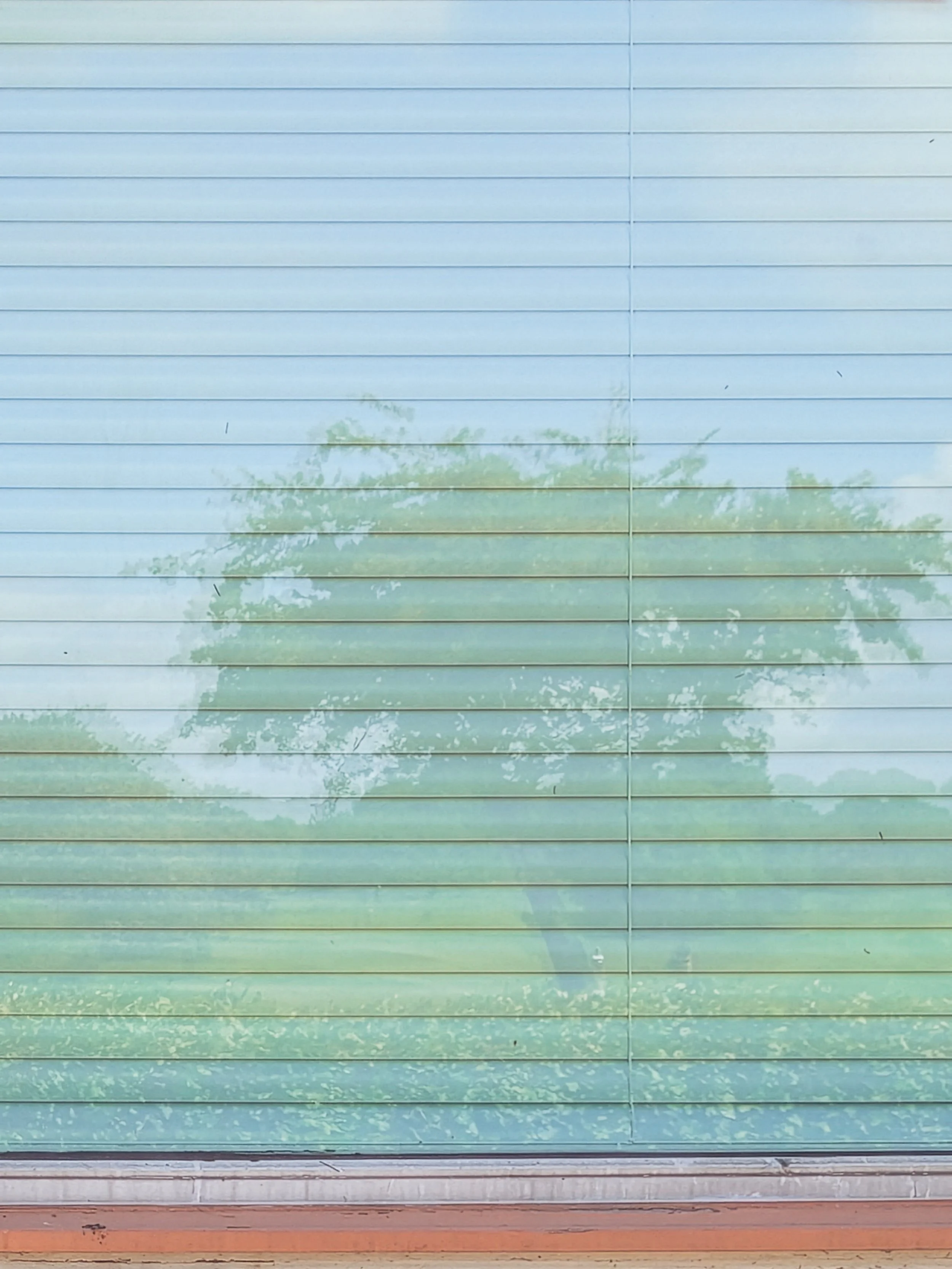
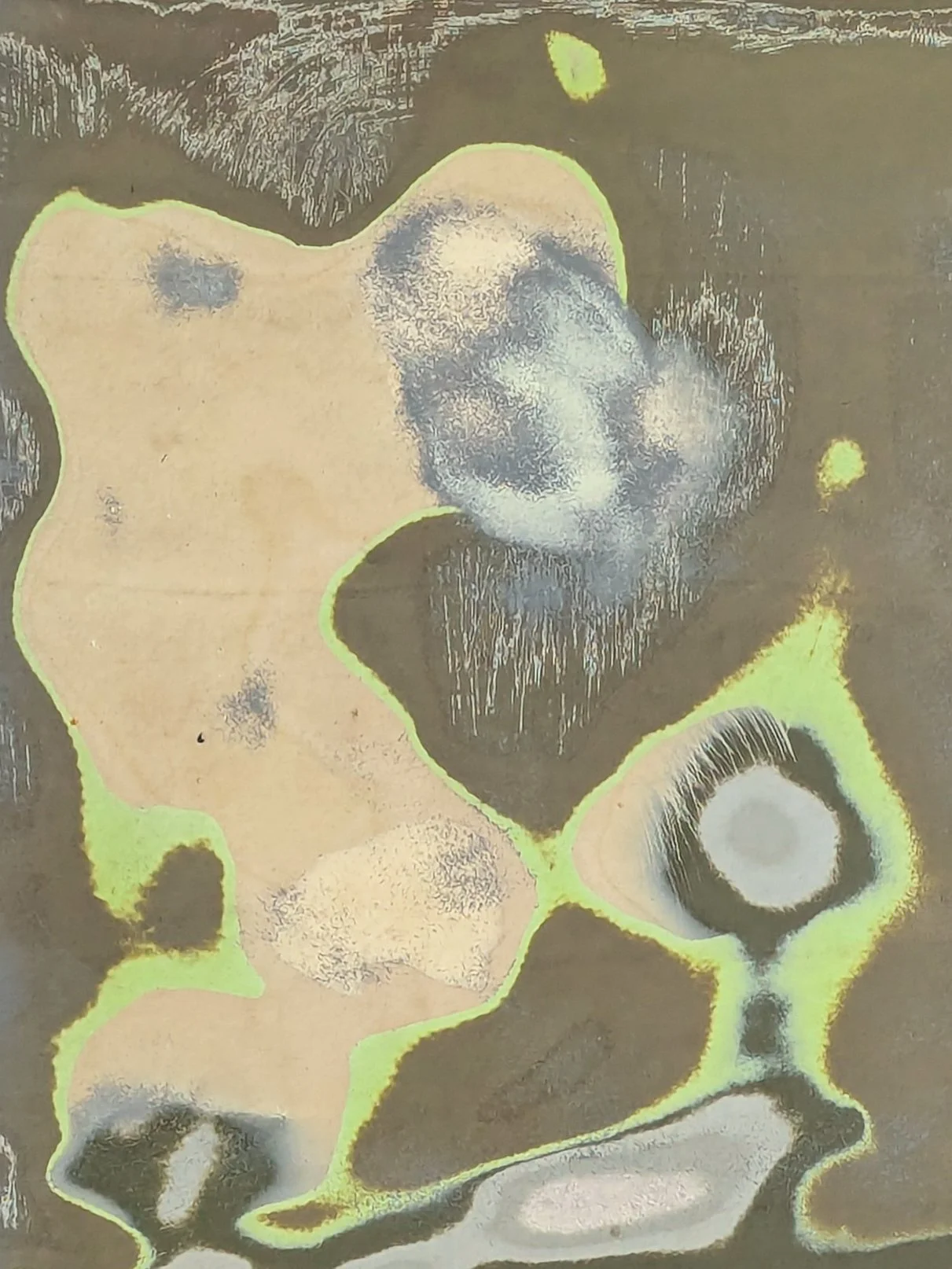
Acts of Attention is an ongoing mobile photographic project in its early stages, built from everyday encounters with overlooked objects, surfaces, traces and temporary events. The work attends to minor details within the built environment: covered chairs disturbed by wind, plants pushing through hard surfaces, tarpaulin under strain, marks on glass, pools of rainwater, reflected sky, curtains, stray light and fragments of the street. These are not scenes of spectacle, but moments that might normally be passed over, stepped around, looked through or forgotten.
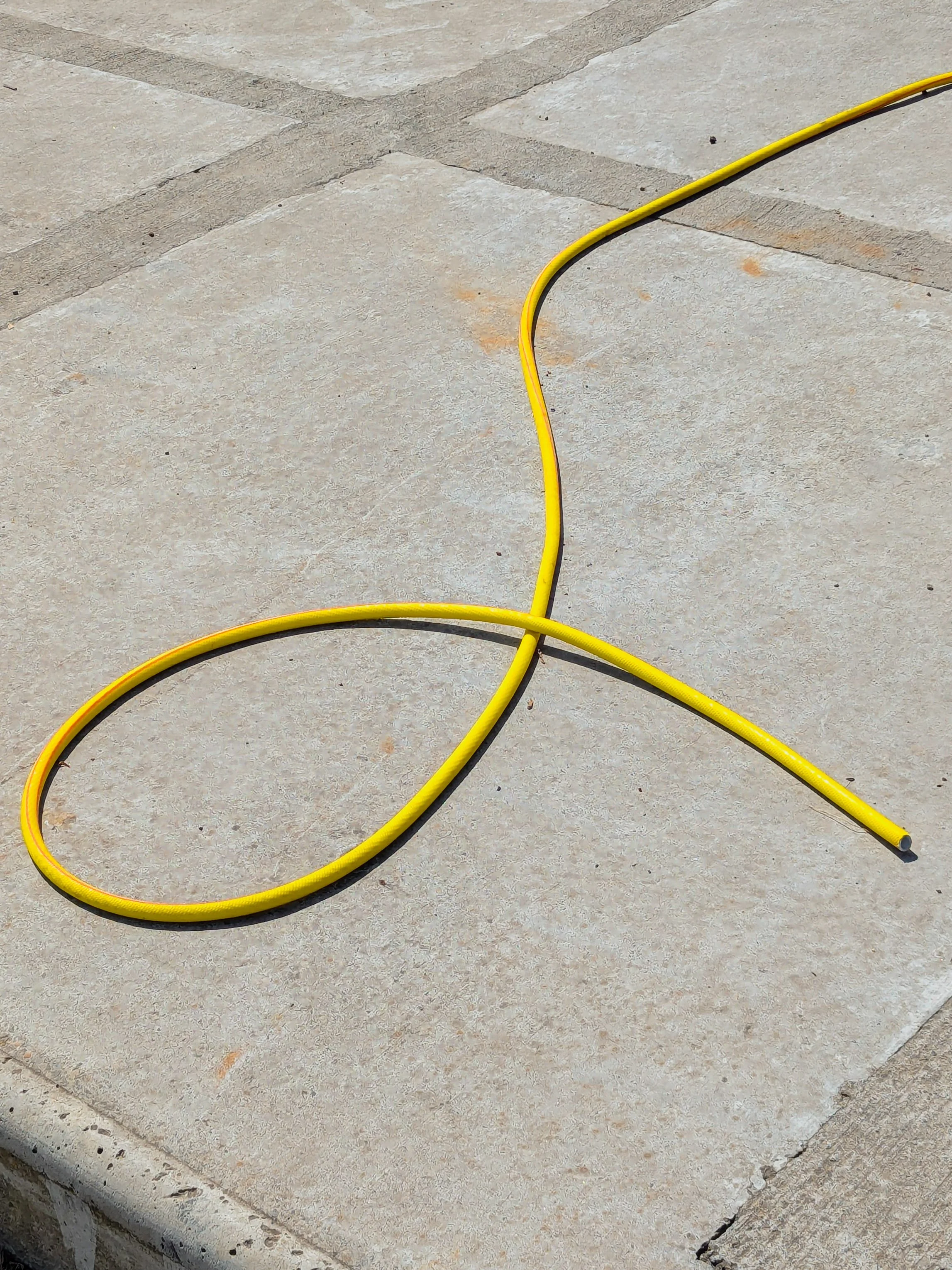
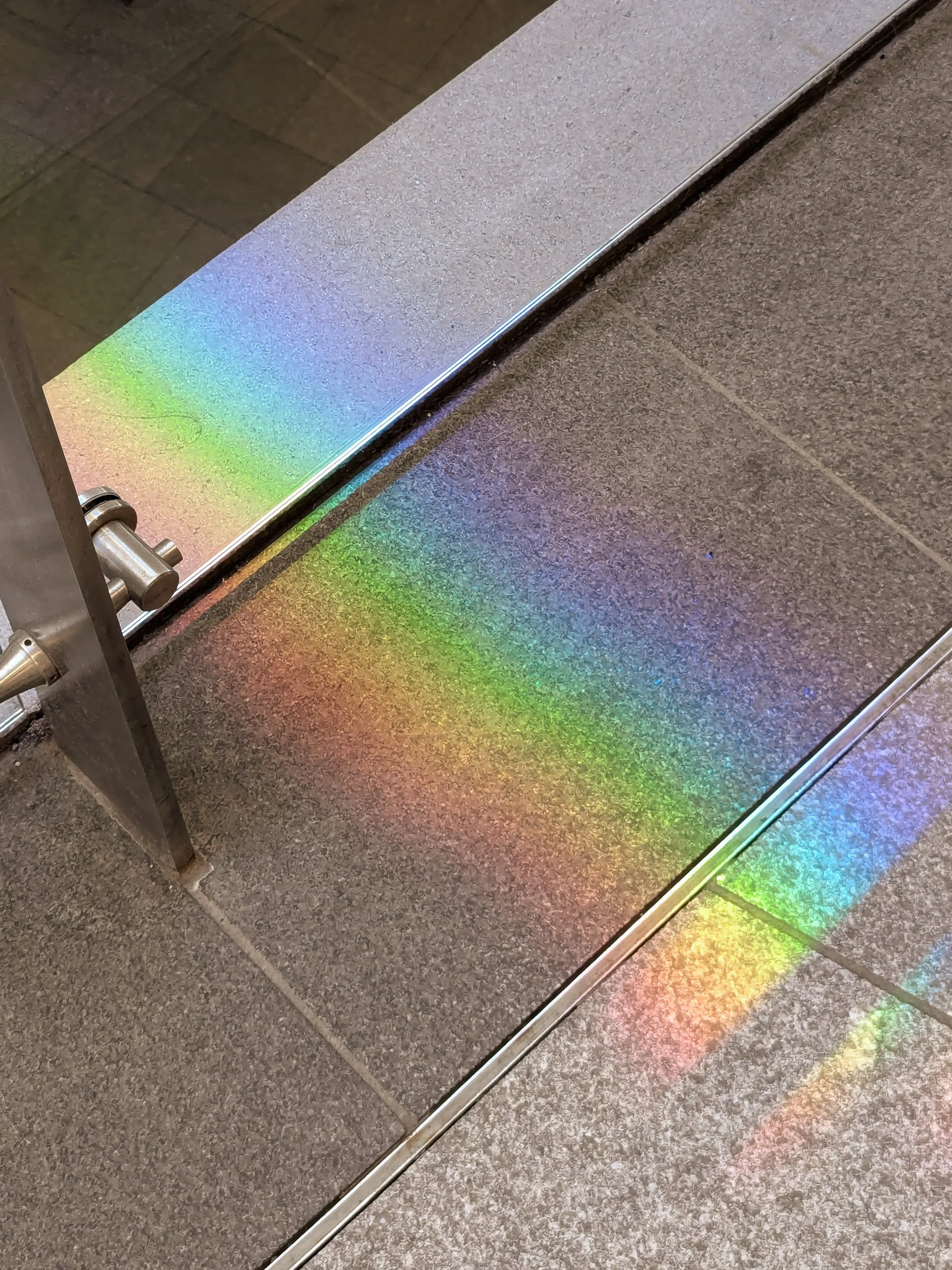
The project begins from the belief that attention is not passive. To look carefully is to make a choice about what is allowed to matter. In a culture shaped by visual excess, acceleration and distraction, Acts of Attention proposes slow looking as a form of quiet resistance. The images do not attempt to escape the ordinary. Instead, they remain with it until it begins to shift. A plastic covering becomes a veil. A hose becomes a line drawing. A pool of rainwater becomes a temporary world. Sunlight passing through glass reveals the hidden spectrum of light before returning to the everyday. What first appears incidental becomes charged with presence.
The use of a mobile phone is central to the work. The phone is the defining image making tool of contemporary life, carried by millions and deeply embedded in the production and circulation of everyday images. It is often associated with speed, distraction, casualness and disposability. Here, that same device is used against its usual logic. Rather than producing images for the stream, the phone becomes a tool for pausing within it. Its accessibility is not treated as a limitation, but as a critical position. Acts of Attention asks what happens when the most ordinary camera is used with sustained seriousness, and how mobile photography might challenge inherited hierarchies around equipment, value and authorship within contemporary fine art photography.
In this sense, the project sits within a broader history of artists who have expanded what photography is allowed to hold. It connects to László Moholy Nagy’s belief in the camera as a way of reorganising vision, as well as to the everyday attentiveness of Walker Evans, William Eggleston and Stephen Shore. It also resonates with Georges Perec’s call to examine the infra ordinary: the background conditions of daily life that usually escape notice. Rather than searching for extraordinary subjects, Acts of Attention looks at what remains present but unseen, asking how small encounters can become sites of perception, feeling and thought.
The work also reflects the conditions of contemporary image culture. In an age of constant production, images are often consumed quickly and replaced before they can settle. The mobile phone is both the symbol of this condition and, in this project, a way of resisting it. By using the tool of the everyday to slow down the everyday, the series turns image culture back on itself. It challenges the assumption that seriousness in photography must be tied to specialist equipment, scale or technical distance. Instead, it argues for immediacy, responsiveness and attention as valid forms of contemporary practice.
As a work in progress, Acts of Attention remains open and accumulative. It is less a closed narrative than an ongoing way of looking: a practice of noticing what gathers at the edge of function, use, weather, neglect and light. The project asks why some images are granted importance while others are dismissed as casual or minor. It insists that the everyday is not empty, and that the act of noticing can still carry force. At its core, Acts of Attention is a quiet refusal of indifference: a belief that what is already here can still be seen again.